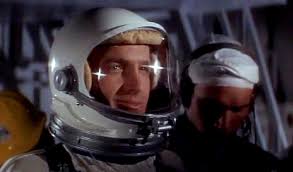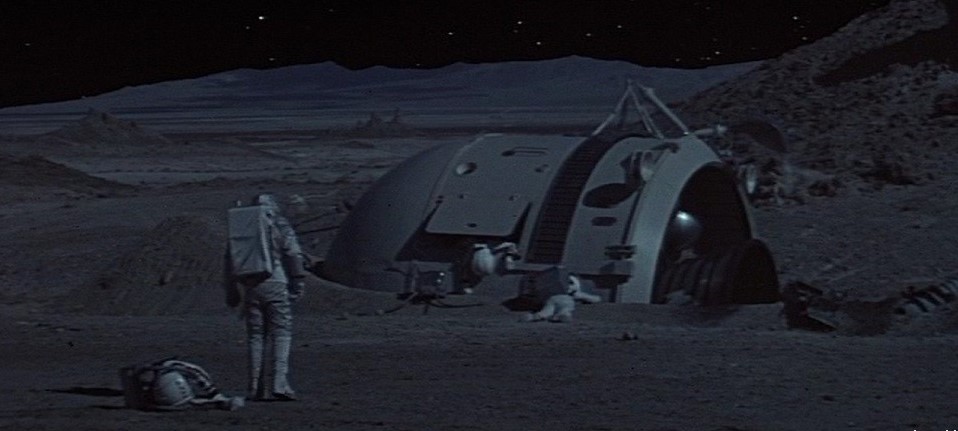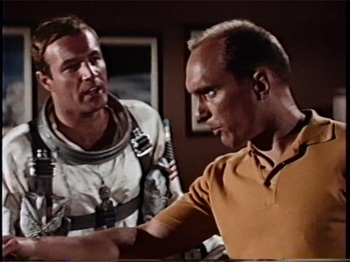
COUNTDOWN ticks thru 101 bland minutes of science-fiction-minus monsters, a moon expedition story from 1967 (Brit release date) that opened in the US in ’68. While critics were intrigued and crowds got excited by Planet Of The Apes and were awestruck and/or baffled by 2001: A Space Odyssey, they weren’t enraptured by this realistic, down-to-Earth procedural drama—more like science-friction—as it detailed squabbles about planning, procedures and personnel in a race to beat the USSR to lunar glory. Critics were dismissive and receipts were dismal, $1,900,000 docked at 104th place for the year. Extensive NASA cooperation was a plus point, and there are vintage views of Cape Kennedy and some launch coverage but otherwise the drama is about as exciting as an industrial film on warehouses, with the main residual interest being due to rising light cast members and the rule-scoffing fellow who directed them, Robert Altman.
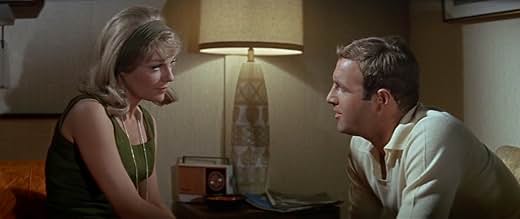
The late 1960s. The United States wants to put a man on the Moon before the Soviet Union plants a comrade there first. When NASA learns that the USSR is nearly ready to go, they fast-track the ‘Pilgrim Project’: get a guy up there on a one-way ride, have him locate a pre-landed solar pod which will keep him supplied for some months before a rescue team can show up. Arguments come when it’s decided to put ‘Lee Stegler’ (James Caan), a civilian astronaut, in the gambit instead of a military man, ‘Chiz Stewart (Robert Duvall), who is more specifically trained for the mission. While Lee is fast-tracked by resentful Chiz, Lee’s wife ‘Mickey’ (Joanna Moore) is supportive but naturally worried: her man may get there, but might not get back.
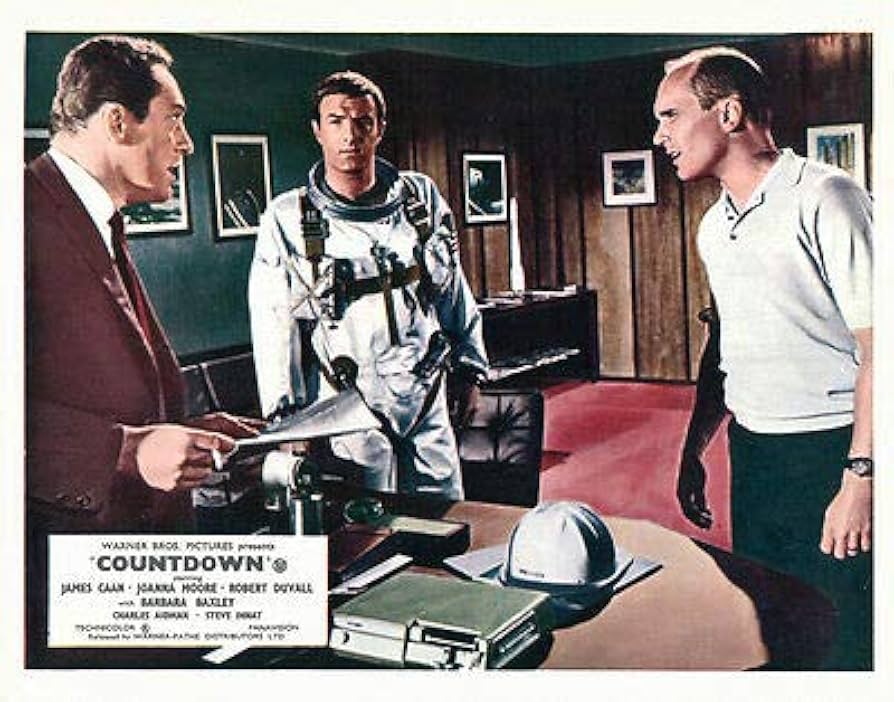
The script by Loring Mandel (The Little Drummer Girl) was based off “The Pilgrim Project”, a 274-page 1964 novel written by Hank Searls. Altman, 42, had been directing TV episodes since 1953 but had only two feature films to his credit, the super-low-budget teen exploitation meller The Delinquents and the documentary The James Dean Story, both released in 1957: after a decade crafting shows on the small screen, Countdown was his return shot into the big screen galaxy. While 1967 was notable for upending cinema norms (Bonnie And Clyde, The Graduate, The Dirty Dozen, Point Blank, The Trip) Altman’s attempt at freshness was torpedoed at Mission Control Hollywood in the irate person of Warner’s boss Jack L. Warner, who didn’t appreciate this wisenheimer director who had his actors engaged in overlapping dialogue. He fired him before Altman could be party to editing, and producer William Conrad jumped in to re-doctor footage, enough to please (to the extent it could) the suited dinosaurs of the Long Cigar Zone. *
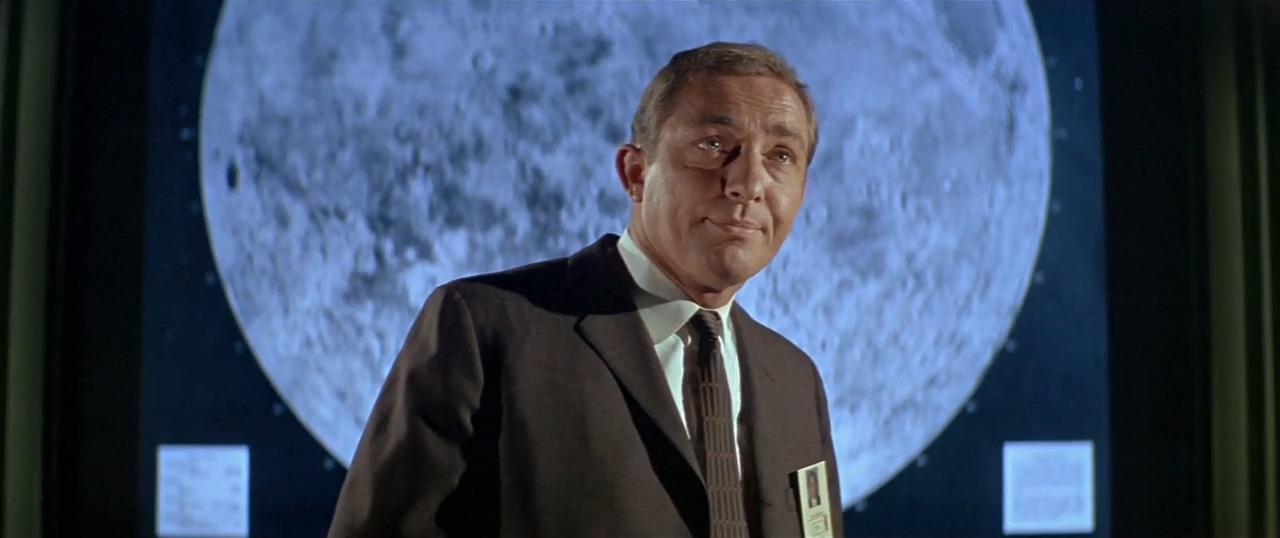
Steve Ihnat, 1934-1972
Top-billed Caan, 27, Duvall, 36 had been gaining notice for a while, while underrated (and under-used) Moore, 32, had been marking time in TV and a few features since 1956: she’s billed second, Duvall third. Shooting straight, Caan is unfussy, not yet attention-seeking ‘tough cute’ and ‘busy’ as would too often be his fall-back shtick. Duvall is customarily hard-wired intense and quite a while away from developing the snicker tic that he’d mark himself with later on. Moore is fine, looking a bit strained: her third marriage (to Ryan O’Neal) had ended and her four-year-old daughter Tatum was already a handful. Among the supporting team, Steve Ihnat, 33, for a change plays a character who wasn’t a nut; he’d aced memorable villains in The Chase, Hour Of The Gun and Madigan. They and the actors mentioned below do decent work but none of the parts are written to be any weightier than a copy of the screenplay. Once our orbiting satellite is reached, the special effects are okay.
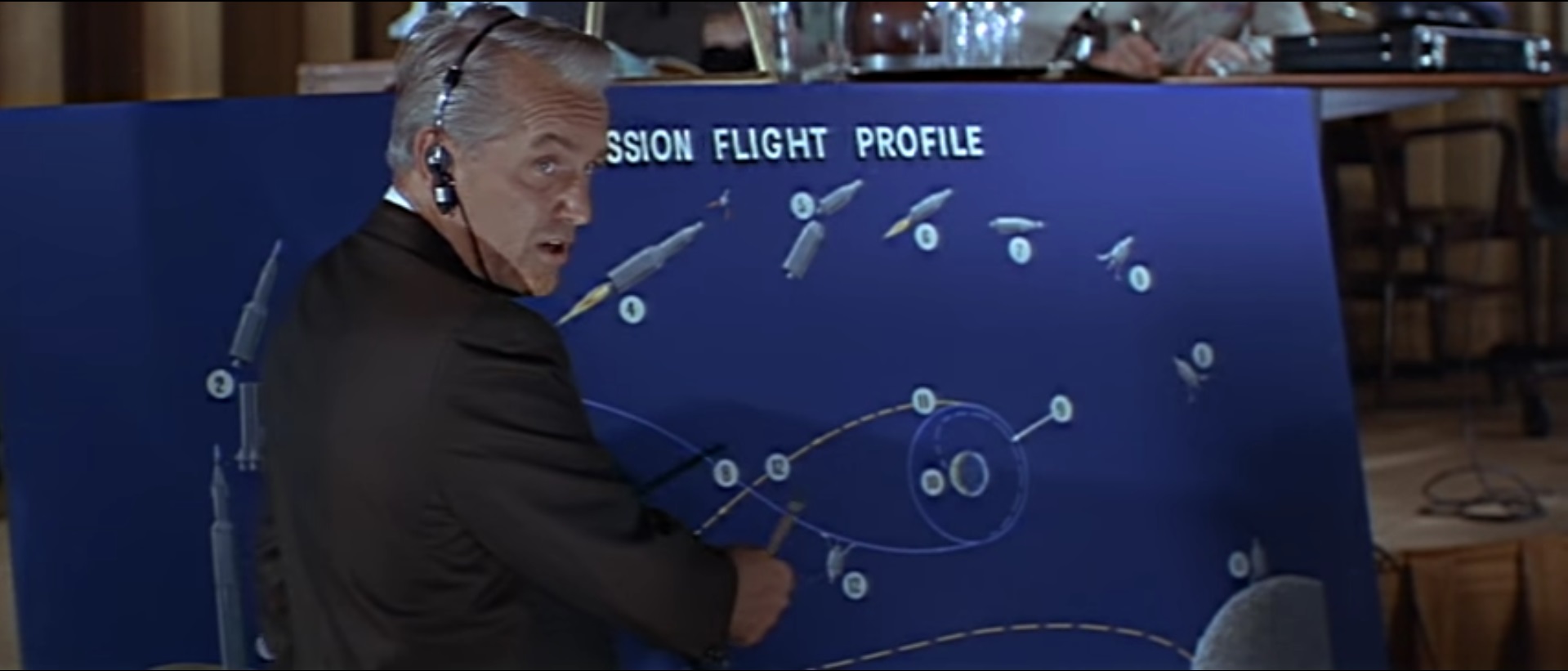
With Charles Aidman, Barbara Baxley (thankless duty as Duvall’s unhappy spouse), Michael Murphy (29, first of seven jobs for Altman) and Ted Knight (43, after a decade of slogging, just about to finally break thru with The Mary Tyler Moore Show). Mike Farrell has a bit part.
* Altman: “They did change the ending. Jack L. Warner had been in Europe the whole time I was making the film. He returned just when I’d finished the final day’s shooting. I got a call saying “Don’t come in the studio tomorrow. Warner’s seen your footage and he’s barred you from the lot. He said ‘That fool has actors talking at the same time.’ I said “Well I have my cut, per the Director’s Guild rules. I get to do that.” The guy said “Even if you do that, he’ll just recut it anyway. Don’t bother.” So I went to the studio, and sure enough, they wouldn’t let me in, and they had all the stuff from my desk sitting outside in this cardboard box . . . the original ending had James Caan going off in a direction on the moon, using his son’s toy mouse for a compass. As he was going off, the camera pans back and you see the shelter in the opposite direction. So you know that he missed it. No happy ending.” A happy ending came a year later with the landing of Apollo 11.
“Hey, let’s moon those people”—- previous ‘lunar vehicles’ had been various layers of fun but were noticeably slack on the whole science element: 1950’s Destination Moon (wake me up), 1953’s Cat Women Of The Moon (you get what you pay for), 1958’s From The Earth To The Moon (read the comic), Missile To The Moon (also ’58 and camp heaven), 1960’s 12 To The Moon (yawn), 1962’s Moon Pilot (Disney kinder-fodder), 1963’s The Mouse On The Moon (very enjoyable), 1964’s First Men In The Moon (now we’re talking!) and 1966’s Way…Way Out (Jerry Lewis on the moon: strand him there, please).