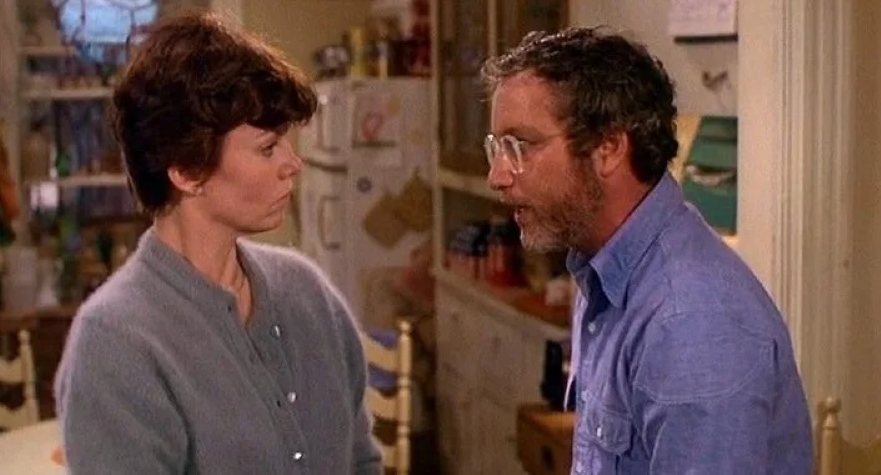
THE GOODBYE GIRL is a sweetheart. The eleventh of Neil Simon’s twenty-four screenplays turned into his most successful at the box office and is my pick for his best. Directed by Herbert Ross (who spun The Turning Point that same year) the disarming rom-com was the 4th most popular picture of 1977, won Richard Dreyfuss the Oscar for Best Actor and nicked nominations for Best Picture, Actress (Marsha Mason), Supporting Actress (Quinn Cummings) and Screenplay. A $4,250,000 outlay was repaid 24 times over by a gross of $102,000,000.
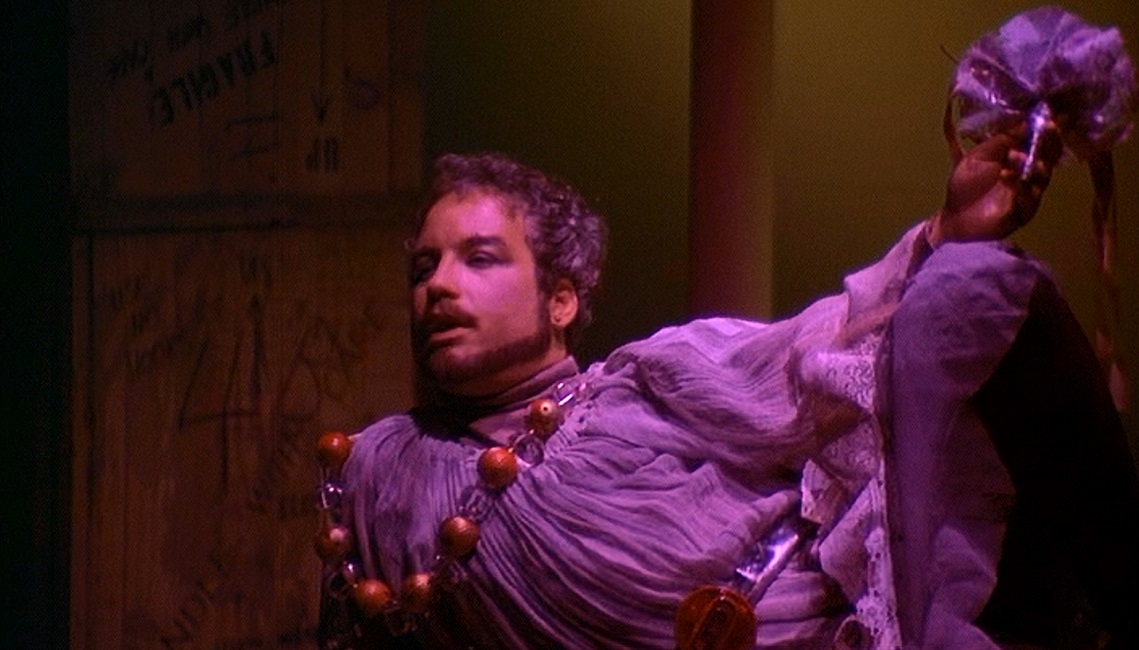
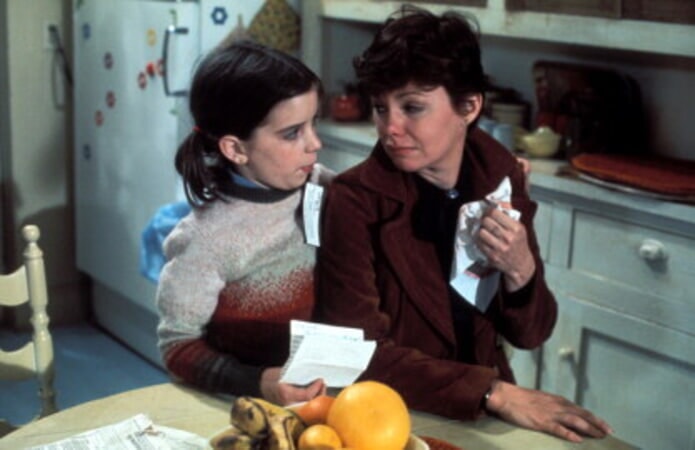
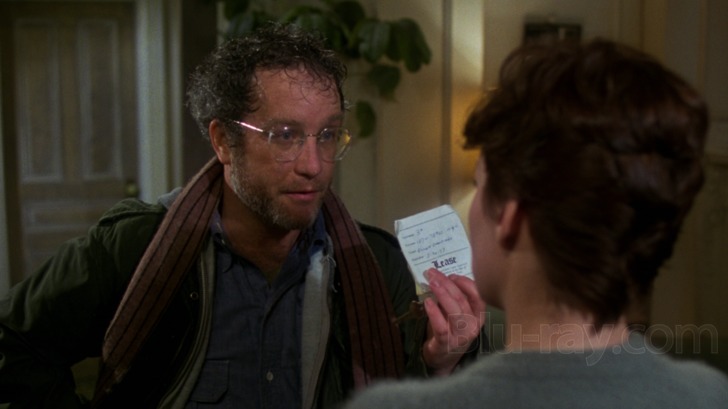
In New York City (where else?) divorced single mom ‘Paula McFadden’ (Mason) is in a bind. Her live-in actor boyfriend—live-in but still married, i.e. ratfink—has skipped town, leaving Paula and her daughter ‘Lucy’ (Cummings) not just hurt and broke but faced with a sublet lease he gave to one ‘Elliot Garfield’ (Dreyfuss), an acquaintance from Chicago. Elliot’s not only new in town, he’s another actor, as such a major button push to just-jilted Paula. Both parties are desperate for the dwelling and the dough to pay for it, so a grudging agreement to temporarily share space is worked out. Elliot’s somewhat eccentric (see dictionary for ‘actor’) but is genial and upbeat; Lucy takes a shine to him. As Paula frantically tries to get back in shape (she’s a dancer somewhat past the demands of the chorus line), Elliot scores the lead as Richard III, but the play is not just off-Broadway, but off-campus in how the director demands the wacky Shakespearean monarch be portrayed; Elliot worries his big shot will go down in flames (flaming, as it were). Meanwhile, that apartment & attitudes situation…
“Will you listen very, very carefully to me just for one… uh, this may be the last time I ever speak to you. Not everyone in this world is after your magnificent body, lady. In the first place it’s not so magnificent. It, it’s fair, alright? But it’s not keeping me up nights thinking about it, you know? I don’t even think you’re very pretty. Maybe if you smiled once in a while okay but I don’t want you to do anything against your religion. And you are not the only person in this city ever to get dumped on! I, myself, am a recent dumpee. I am a dedicated actor, Paula, you know? I am dedicated to my art and my craft, I value what I do. And because of a mentally arthritic director I am about to play the second greatest role in the history of the English speaking theater like a double order of fresh California fruit salad. When I say nice I mean nice, you know? Decent and fair. I deserve it. Because I’m a nice decent and fair person, I don’t want to jump on your bones. I don’t even want to see you in the morning. But I will tell you one thing I do like about you Paula. Lucy. Lucy’s your best part. Lucy is worth putting up with you for. So here is 14 dollars for the care and feeding of that terrific kid. You get zippidy-do-da. You want any money? Borrow it from your 10 year old daughter. I am now going inside my room to meditate away my hostility toward you. Personally, I don’t think it can be done!”
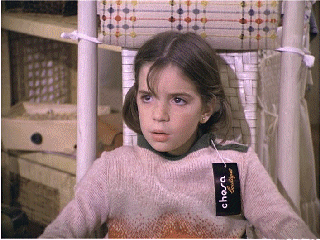
Simon’s writing was always clever, but could also sometimes joke itself into the ground with a barrage of one-liners looking for a plot instead of the other way around (Barefoot In The Park and The Prisoner Of Second Avenue are a couple of examples that don’t age well) but not only are the laugh lines bright here, they feel natural and spontaneous to both the characters personalities and their situations, and director Ross (Play It Again, Sam, The Sunshine Boys) knew when & where to see that his actors sampled Neil’s morsels without gnawing them to pieces. Simon wrote it mainly as a vehicle for Mason, 35 (they were married, ’73 to ’83), who had achieved momentum from gracing Cinderella Liberty and Audrey Rose. Nine-year-old Cummings was a find, sharp enough to not mug things up with precocity; the mother-daughter timing between the two feels fresh and honest. Cummings did mostly TV work afterwards, then turned to writing, publishing four books, the last in 2021. Dreyfuss, 29, had won fans and critical praise for his hapless/keen observer of American Graffiti, bantam loose cannon Baby Face Nelson in Dillinger and careless hustler of The Apprenticeship Of Buddy Kravitz, then Jaws chomped the rest of the world awake. He double-tapped in 1977, the blockbuster Close Encounters Of The Third Kind landing just two weeks after this debuted. He resisted any temptation to overplay Elliot and as such wins us over as well as his roommates. We like them all. *
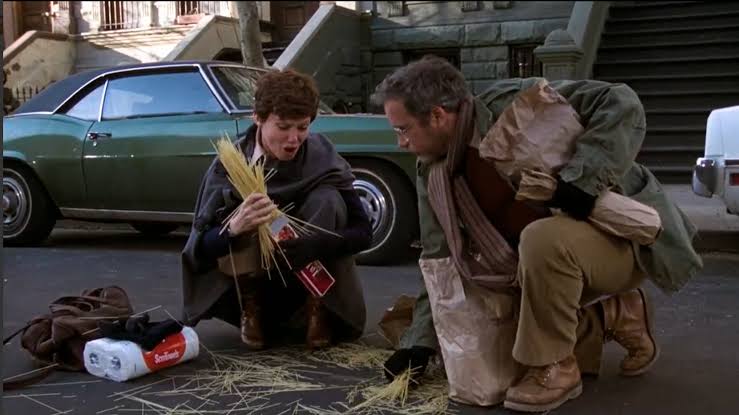
There weren’t many comedies that year, and few noteworthy ones. The only real competition insofar as quality and critical/audience approval was the eternal Annie Hall, which took the prizes for Picture, Actress, Director and Screenplay (and #11 in tickets); its classic satire-romance is consistently funny, more cerebral and inventive. For pure film-making prowess, Woody’s woes were richer. Yet Simon’s love tussle with Dreyfuss & Mason nudges it for happiness, plausible day-to-day and situational behavior and doesn’t say farewell but ‘see ya’, a goodbye with a sense of belief & relief instead of rue & wish. **
With Paul Benedict, Barbara Rhoades, Nicol Williamson and Theresa Merritt. Look sharp for Powers Boothe (28, lineless debut) and Raymond J. Barry (38, third bit part). Remade for TV in 2004.
* Marsha, on Quinn: “One of my favorite actresses to work with – was nine years old going on twenty-seven. She made ‘precocious’ a wonderful word. Quinn Cummings was a little girl with a very big intelligence. She knew her lines, was as quick and almost as smart as Richard, could land a joke with the best of them, and she was a professional.”
The Mason-Dreyfuss Line: “Richard was fast and funny. I was thoughtful and more serious. Richard was wild and free. I was a responsible wife and mother and an actress. I wanted so much to be like him. He was so sure of himself, so sure of his place and space, and he moves forward accordingly. He’s bright, bright, bright, incredibly well read, and comfortable with his intelligence.”
** Op Ed from the back of the Front—scarred and/or decorated veterans of the era’s greets-to-sheets relay race may call a split decision between this and Annie Hall for date night picks circa ’77; other hot candidates for warm post-cinemal lingering would include Semi-Tough, Saturday Night Fever, The Spy Who Loved Me and Fun With Dick And Jane. Tip to the unwary: think twice before Looking For Mr Goodbar.