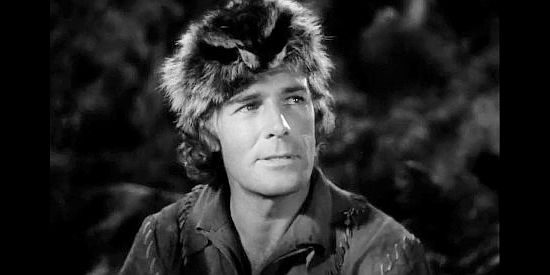
THE LAST OF THE MOHICANS has been reimagined for films ten times, four in the silent era, most recently in the superlative 1992 version. The most popular prior to that was done in 1936, starring Randolph Scott, with journeyman director George B. Seitz (eleven of the sixteen ‘Andy Hardy’ pix) managing a script that Philip Dunne and John L. Balderston combed out of James Fenimore Cooper’s 1826 novel. *
1757. Globally, England and France clash in the Seven Years’ War, known across the Atlantic as the French and Indian War, with various tribes fighting with or against (sometimes both) the dueling European colonizers. British ‘Major Duncan Hayward’ (Henry Wilcoxon) accompanies the ‘Munro’ sisters ‘Alice’ (Binnie Barnes) and ‘Cora’ (Heather Angel) into the New York wilderness to join their father, commander of a fort besieged by the French. Betrayed by their Huron scout ‘Magua’ (Bruce Cabot), they’re initially rescued by frontiersman ‘Hawkeye’ (Scott) and his blood-brothers ‘Chingachgook’ (Robert Barrat) and ‘Uncas’ (Philip Reed), father and son, the last of their tribe. In a war where mercy is in short supply, safety is temporary, survival just a possibility.
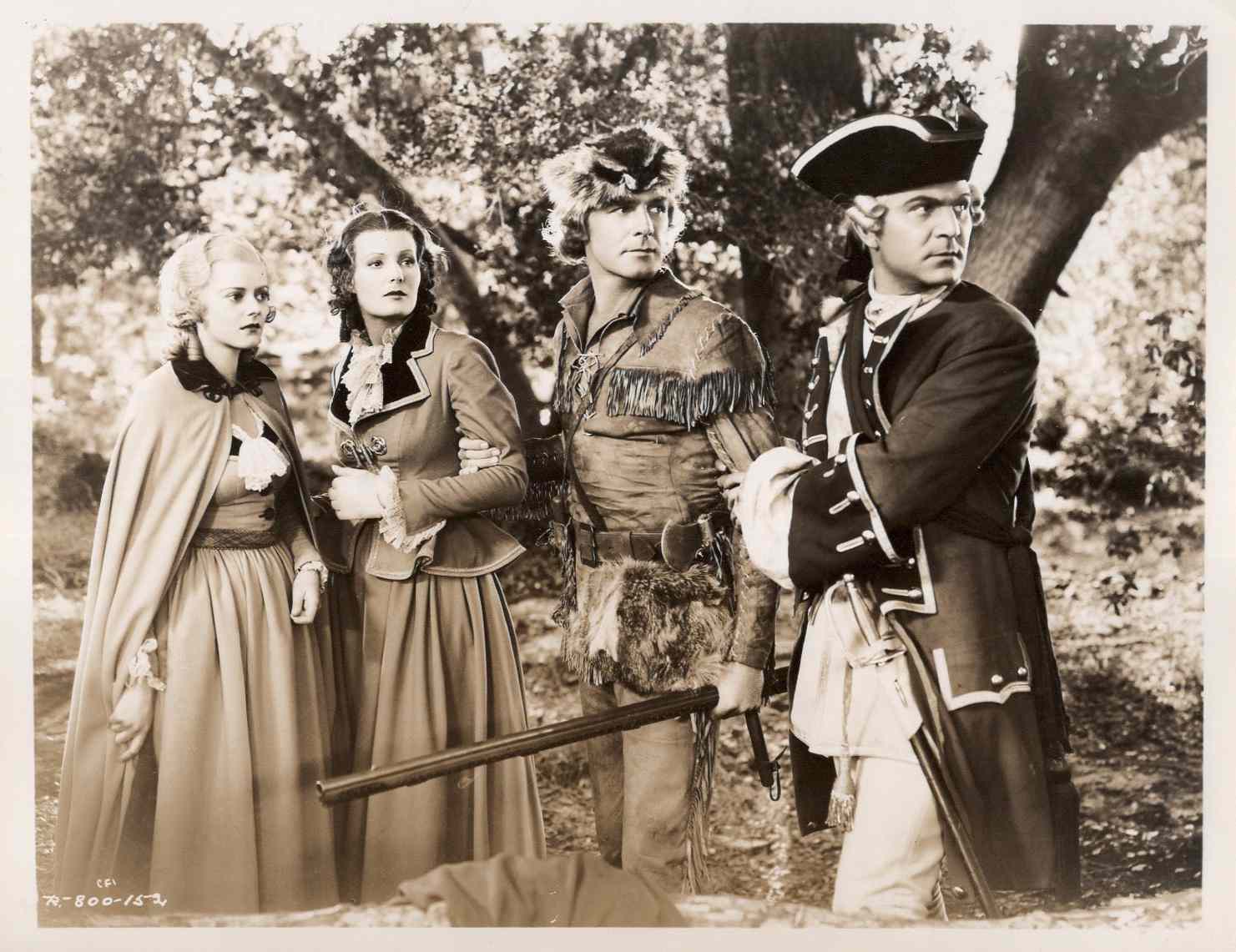
1936 fielded a prime array of lavish and exciting historical epics, and this more modestly scaled entry was popular enough to make $3,100,000, placing 52nd among the hundreds of releases. Judging by some reactions in Reviewland, this one still carries some cachet, and doubtless at the time was a rousing way to spend a $1.00 for a ticket and 92 minutes of your time. If I’d seen it as a kid on TV, I would’ve liked it and held some nostalgic fondness. Alas, that didn’t happen: tracking it further down the warpath (and 90 years after it came out) it’s rather a chore, a knock-off-the-list item that pales (palefaces?) in light of the outstanding 1992 epic. We do note that version took elements of the ’36 script (even a few lines), and made note in its credits of doing so. ***
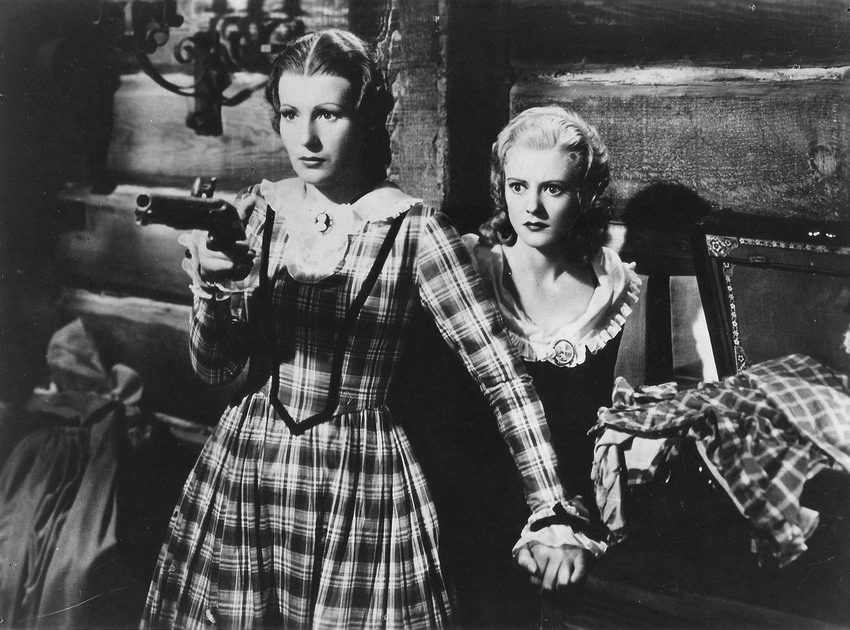
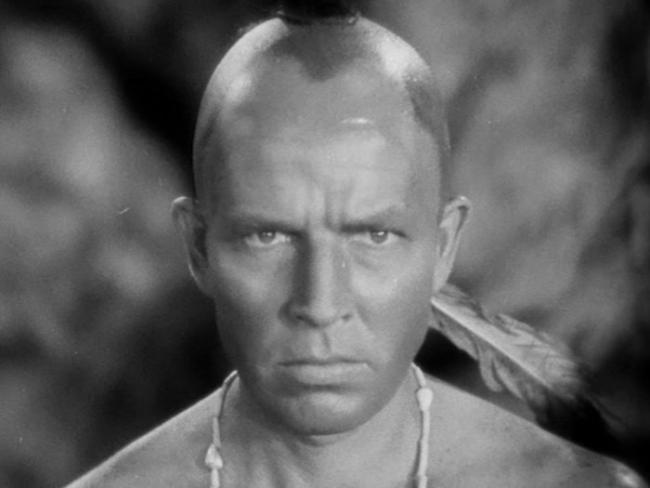
Many of the year’s historical flicks hold up well, but this one creaks with age, with stiff and dated acting, simplistic dialog, a cheesy score from Roy Webb and stagy action sequences that are only moderately effective. Scott, 38, was moving up in popularity; this genial but sure-shootin’ outdoorsman portrayal helped usher in the leathery westerner persona (even though he was a courtly Virginian) he’d be most identified with. Bonnie Barnes doesn’t do a lot for the pioneer in me; pretty Heather Angel fares better as ill-fated Cora. As in Cleopatra and The Crusades, Wilcoxon is stolid, Cabot grunts and glares as Magua—“Want pale-faced squaws“; he may as well be a satire. Barrat and Reed fail to convince.
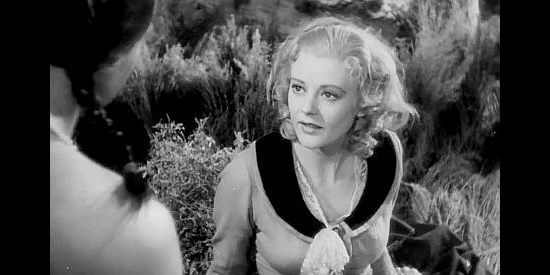
Heather Angel, 1909-1986
With a passel of pontificating from Hugh Buckner, William Stack, Lumsden Hare, William V. Mong, Olaf Hytten (as King George III). The Academy Awards favored the action scenes enough to nominate Clem Beauchamp for Best Assistant Director.
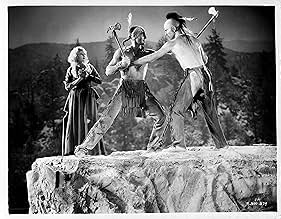
* Besides the feature films (two of them made in Germany, one in 1920 with Bela Lugosi (!) as Chingachgook), there have been five TV series and one TV movie, two animated films, two animated series, and a pair of operas. Cooper’s book runs 448 pages, was preceded by “The Pioneers” and followed by “The Prairie”, “The Pathfinder” and “The Deerslayer”.
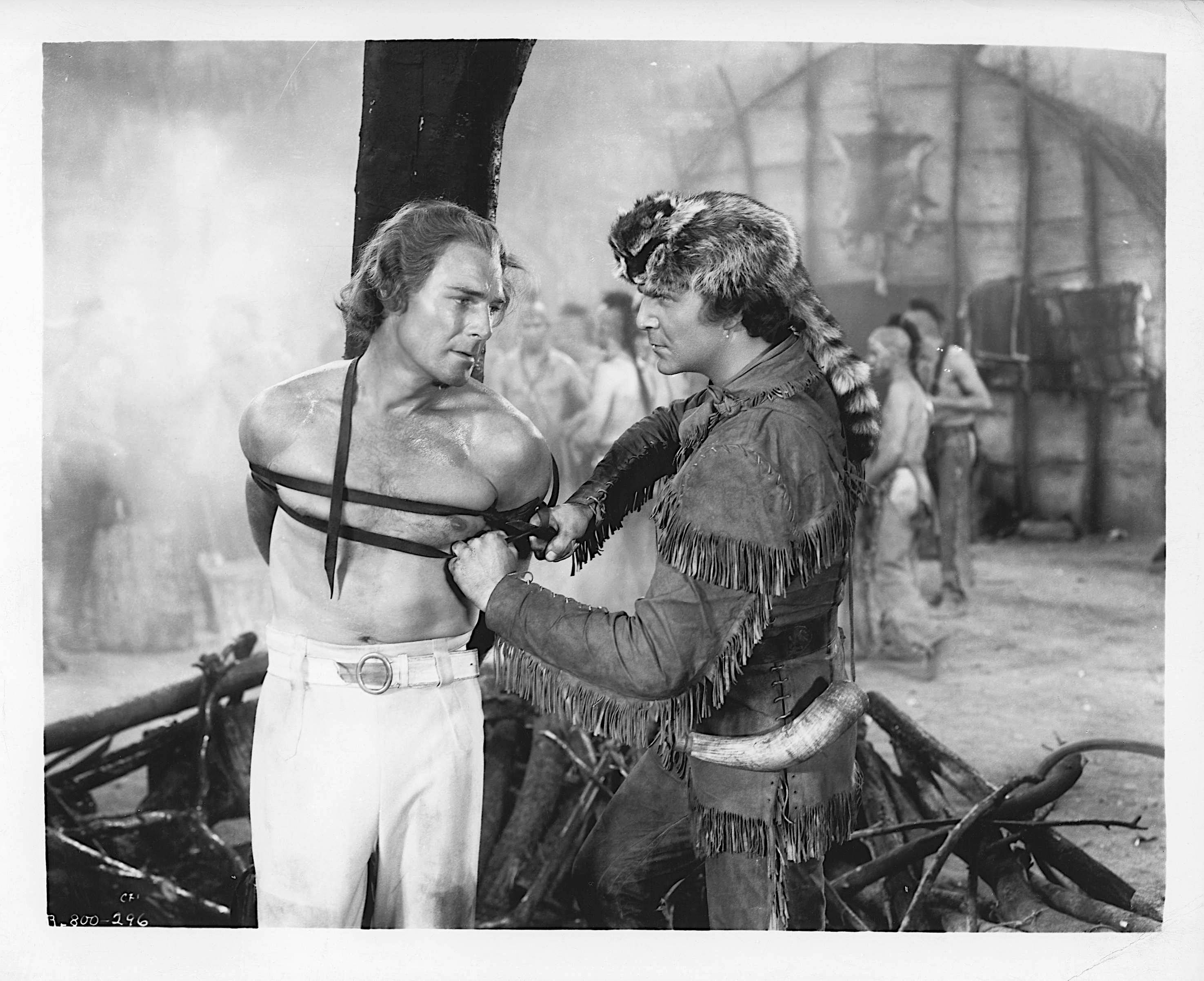 ** History and action on screen in 1936—San Francisco, Lloyd’s Of London, Anthony Adverse, Show Boat, The Plainsman, Under Two Flags, The Charge Of The Light Brigade, A Message To Garcia, The Road To Glory, The Texas Rangers, The Prisoner Of Shark Island, Mary Of Scotland.
*** Philip Dunne wasn’t happy with what others did to his script and fumed that it “was only a pallid ghost of what John and I originally wrote. Ours was a full-blooded screenplay, combining adventure and excitement with what we considered some respectable poetry in the love story between the patrician English girl and the young Mohican brave. Above all, we painted an authentic picture of colonial American in the 18th century. The film was appalling. In our absence, Eddie (producer Edward Small) apparently had succumbed to the itch many producers have to tamper with inactive scripts. I don’t know what writers he had hired, but they had succeeded in turning our authentic 18th-century period piece into a third-rate Western. The characters even spoke to each other in 20th-century colloquialisms, and each had been rendered banal beyond belief.”
 Movies ala Mark