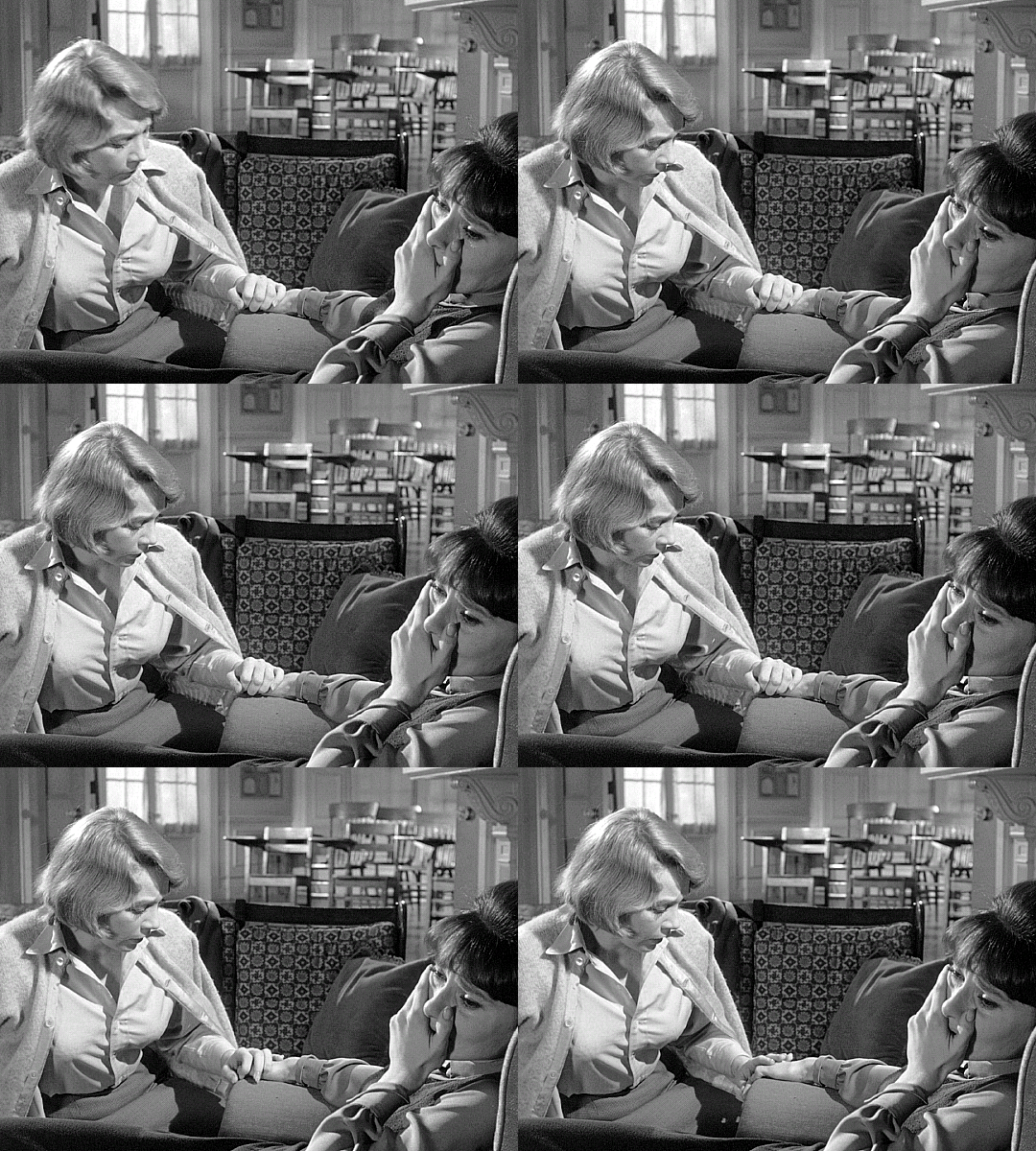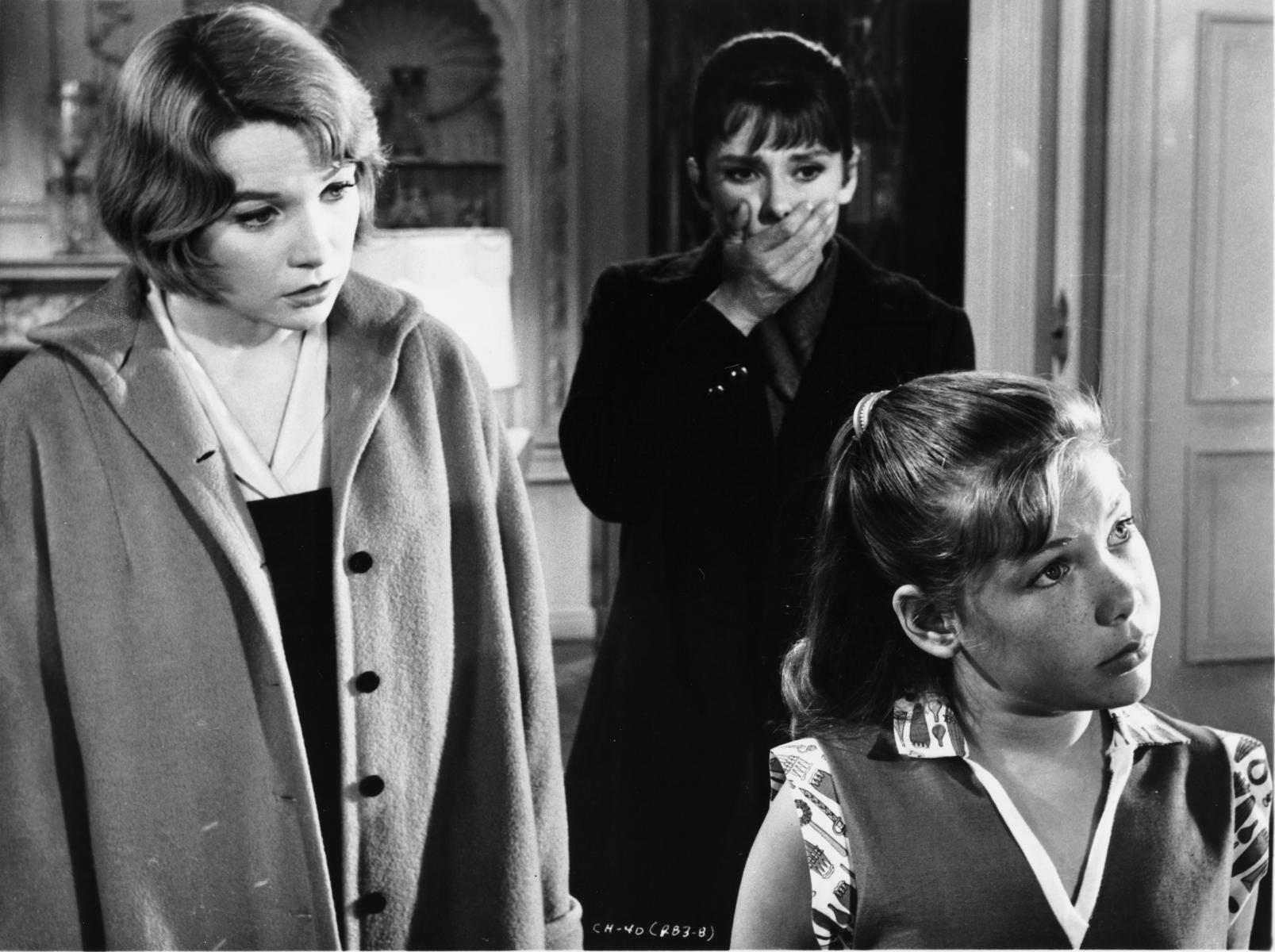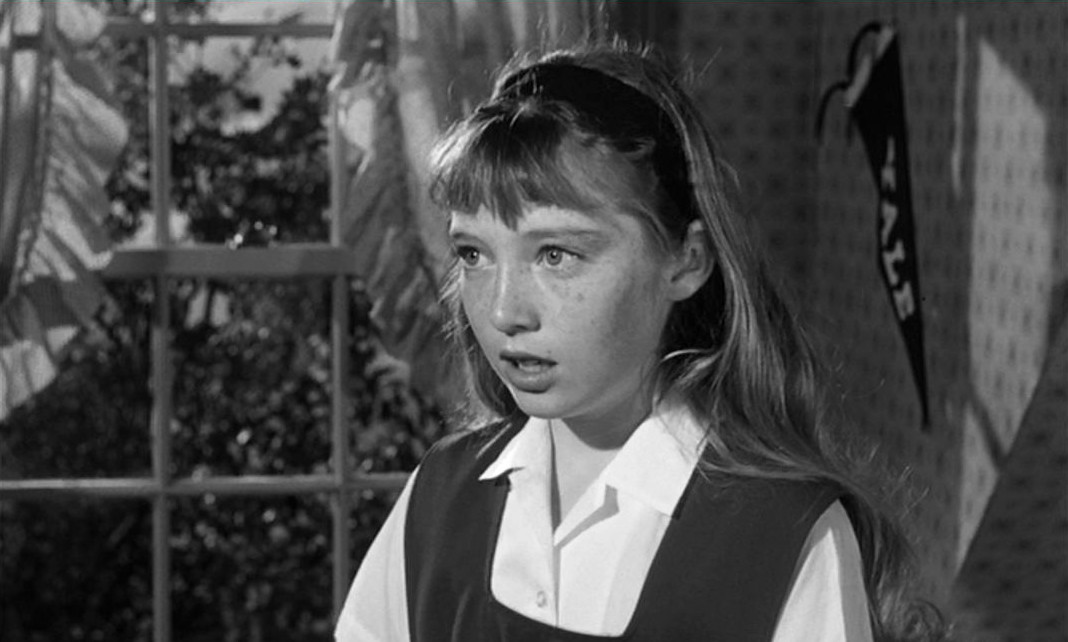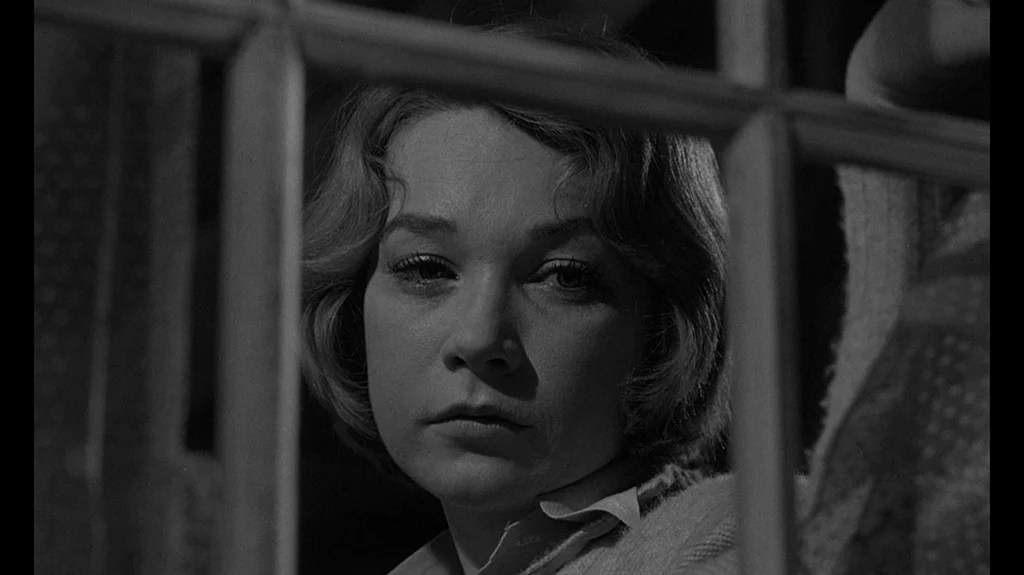
THE CHILDREN’S HOUR re-addressed Lillian Hellman’s 1934 play, first done as a film two years later under the title These Three, with rising light William Wyler directing Merle Oberon, Miriam Hopkins and Joel McCrea in a script adapted by Hellman herself. Twenty-five years later Wyler, by then one of the world’s most highly respected moviemakers, took another run at the story, with three new stars—Audrey Hepburn, Shirley MacLaine and James Garner—bringing along Hopkins, this time in a key supporting part. Reviews in 1961 were mixed, box office lackluster, but it did queue up a quintet of Academy Award nominations.
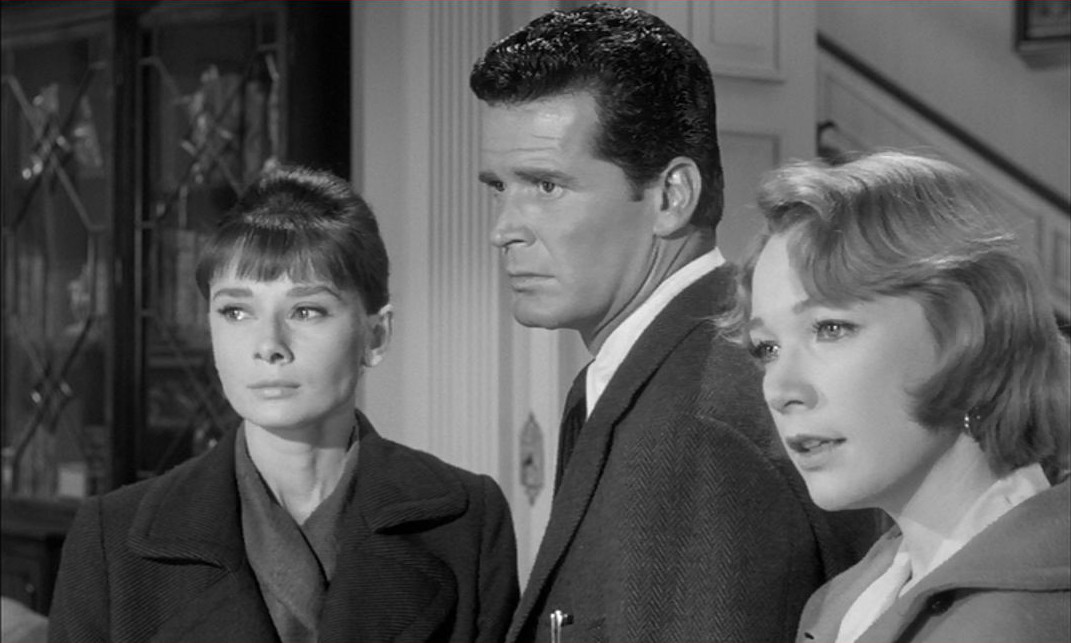
“There are men who like her, yes, but not for long, because she has no interest in them—only the school and Karen Wright.”
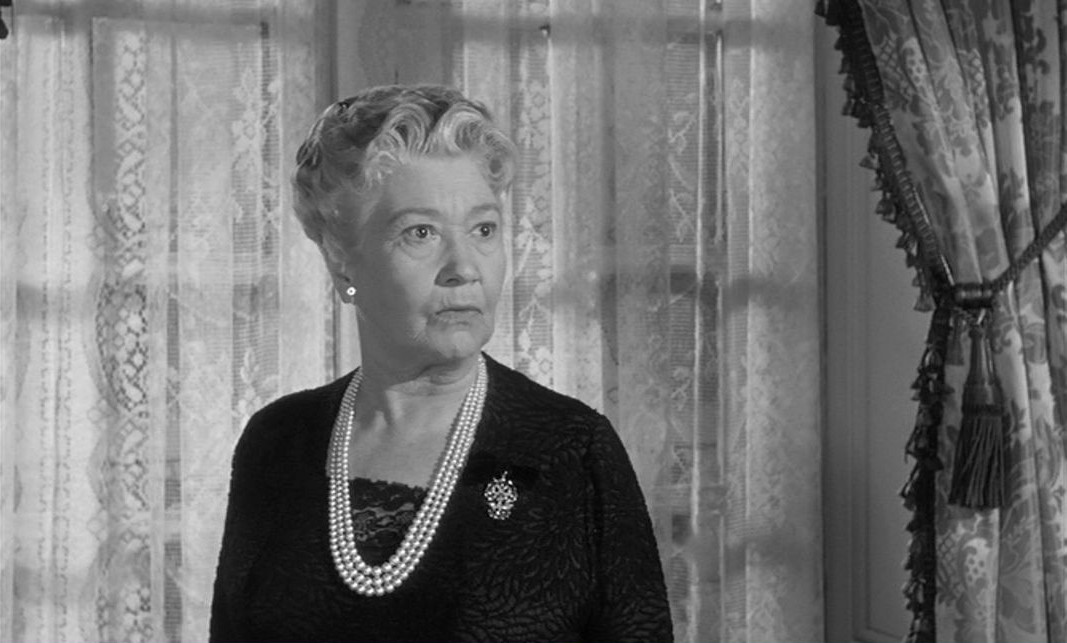
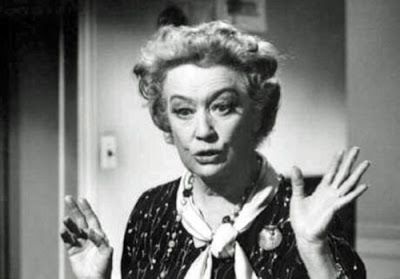
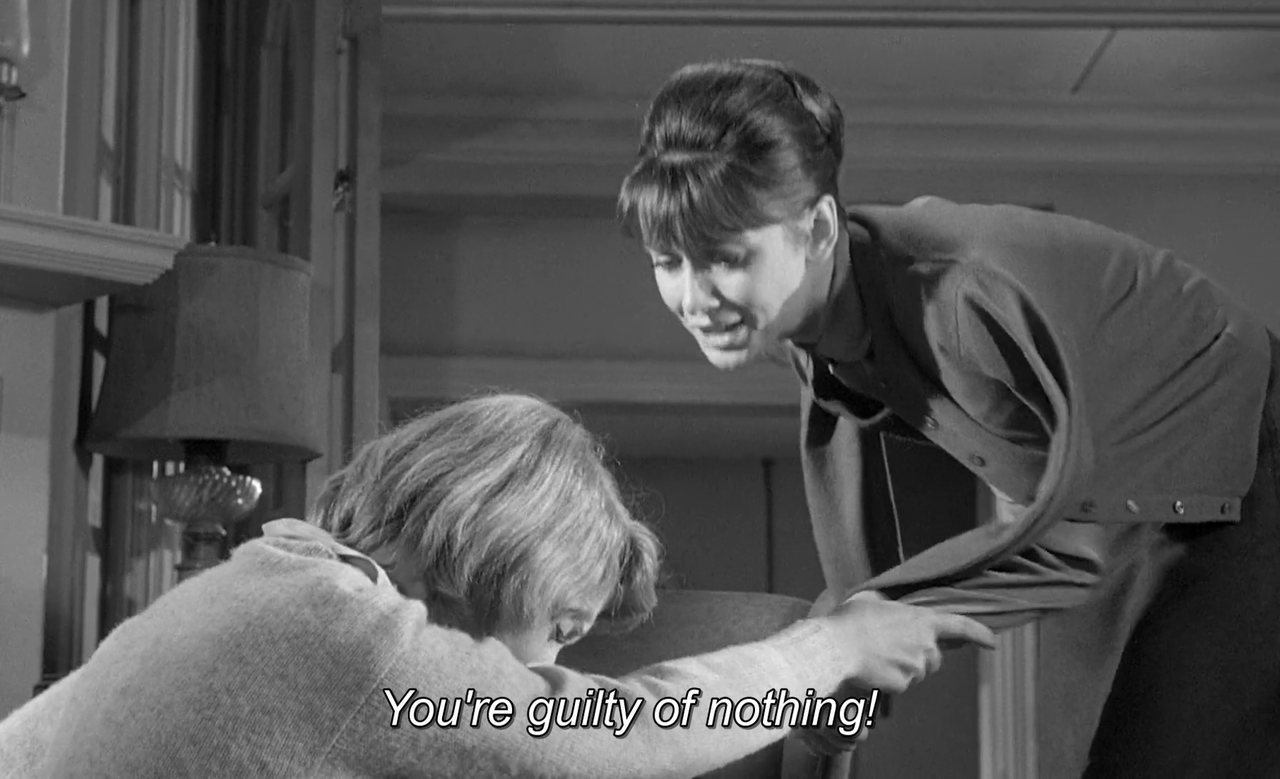
Close friends from college, ‘Karen Wright’ (Hepburn) and ‘Martha Dobie’ (MacLaine) own and run a boarding school for girls. It’s a success, with a few caveats. Part-time stage actress and full-time boor ‘Lily Mortar’ (Hopkins), Martha’s freeloader aunt, has bluffed her way into a teaching job with them. And Martha seems to have a problem with ‘Joseph Cardin’ (Garner), a local doctor who’s engaged to marry Karen, who may leave the school as a result. These irksome wrinkles pale next to another bother, troublesome student ‘Mary Tilford’ (Karen Balkin), granddaughter of wealthy ‘Amelia Tilford’, 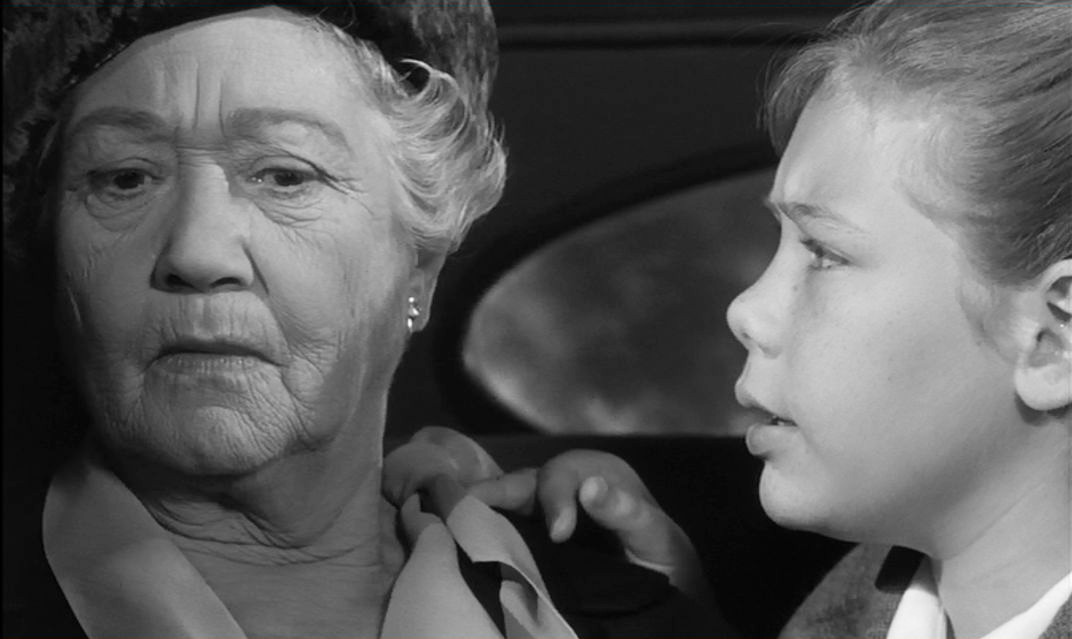 an influential backer of the school. Disciplining her (she’s caught in lies, and harasses other girls) initially seems simple enough, even trivial (kids being kids, etc.) but tasking the spoiled brat turns a chill breeze into a lethal hurricane: the spiteful child convinces Mrs. Tilford that Karen and Martha have an “unnatural” relationship. Lili’s careless mouthiness inadvertently adds fuel, and Mary brutalizes and blackmails another student (Veronica Cartwright) into vouching for her devious claims. Behind the malicious lies is a hidden kernel of truth; private, innocent and harmless in itself, but aired in the open, even in innuendo, becomes a target for collective ignorance, ingrained intolerance and hysterical action.
Back in 1936, These Three, neutered by the restrictions of the censor, its sapphic undercurrent gone with the Code, left the core drama of intolerance best illustrated thru a conveniently hateful character—and a memorable performance from 13-year-old Bonita Granville. By the dawn of the 60’s, the stifling Hays Code was being cracked by savvy directors, clever writers and fed-up actors. Sexiness was no longer being confined to movies from Europe, “hell” & “damn” were 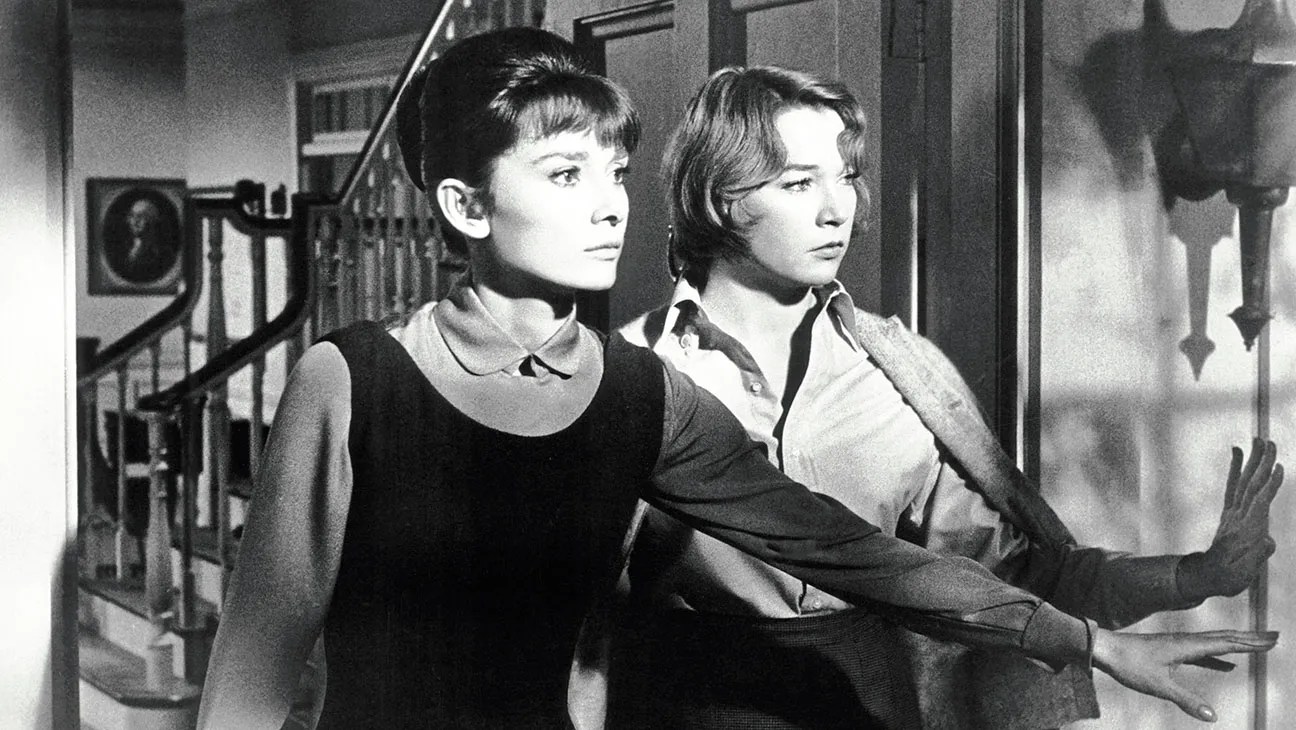 about to make way for more explicit expletives and squib charges were replacing chocolate syrup for cine-wounds. Homosexulity was at least being acknowledged, this movie was joined in 1961 by Victim, a strong blackmail drama from Britain. While tame and ‘safe’ by modern standards, in showing the cruel impact of homophobia and by featuring a sympathetic lesbian character, The Children’s Hour served honorably to begin prying open the closet door. Hellman started work on the new adaptation but dropped out to deal with her ailing lover Dashiell Hammett, so Wyler recruited veteran screenwriter John Michael Hayes. Among the updates, besides bringing Martha in out of the heterocold, was that unlike the happy ending tacked on in ’36 (mordantly laughable in retrospect since it occurs in Austria, shortly to be anschluss‘d by the Nazis) this one retains the tragic finale of the play.
 In a few instances, it mirrors the ’36 version. Like Alfred Newman’s before him, Alex North’s scoring was over-insistent. Wyler hadn’t been keen on McCrea (and vice-versa); in the remake Garner seems uneasy and Wyler didn’t favor him with much camera coverage. Garner, 33, had been stuck with bland movie assignments (Darby’s Rangers, Up Periscope, Cash McCall) while under a Warner’s contract; this A-list property with a major director was definite step up. Hopkins, 48, goes big and florid as the awful aunt; unsubtle but amusing.
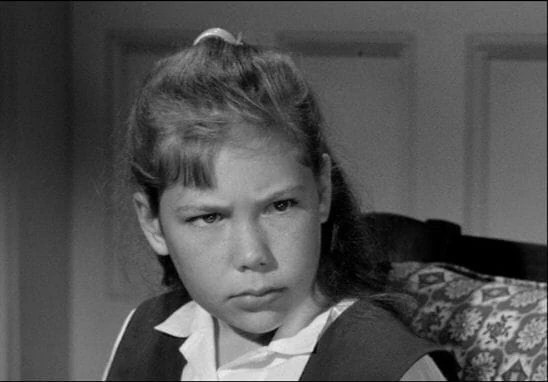
Veronica Cartwright was uncredited in a bit for 1958’s In Love And War and (like her sis Angela) had logged some TV shows: at 12 she made her feature debut here and shows the sort of brittle energy she’d later bring to bear in Alien, The Right Stuff and The Witches Of Eastwick. As her tormentor and the bane of everyone else, 11-year-old Karen Balkin’s raw ferocity as Mary gives Bonita Granville’s demon spawn a run for the dungeon. Watching her brought back vivid and unwelcome memories of a couple of virulently nasty little shrikes from grade school; pure mean for the warped fun of it (I’ll drop the age-brings-wisdom compassion bit and publicly declare that I sincerely hope they got what they were bent on deserving). For whatever reasons, after this Miss Balkin only appeared in two TV shows and one movie, 1974’s Our Time, coincidentally a drama about young women in a boarding school. Glenn Erickson gives it a positive review.
“What is happening here? Has everyone gone insane?”
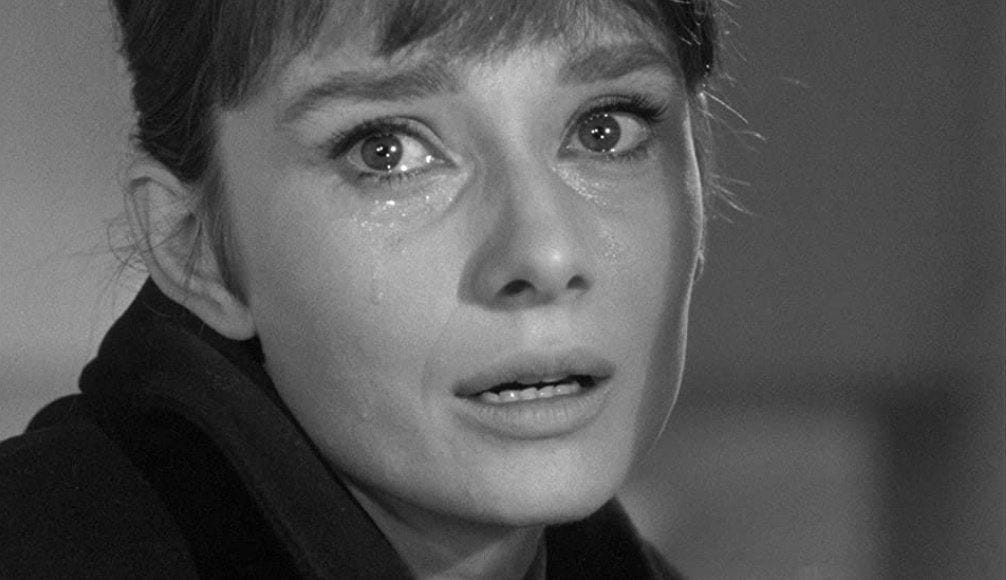
In her last film role, Fay Bainter, 67, went out with dignity, and earned one of the show’s five Oscar nominations. Hepburn, 32, is arresting as ever; she got more attention that year for Breakfast At Tiffany’s, but, radiance replaced with regret, she’s better in this. She’s slightly eclipsed by MacLaine, 27, beautifully playing against type, in a low-key register that makes a welcome contrast to her usual up-tempo mode; the mortally wounded Martha is one of her less-recognized performances, and one of her best.
Ranking 48th in 1961, the grosses of $4,700,000 were half of what was needed to balance out the $3,600,000 cost. Besides Bainter’s, Oscar nominations went up for Cinematography, Art Direction, Costume Design and Sound.
With Mimi Gibson, Hope Summers and William Mims. 107 minutes, fourteen longer than the earlier version.