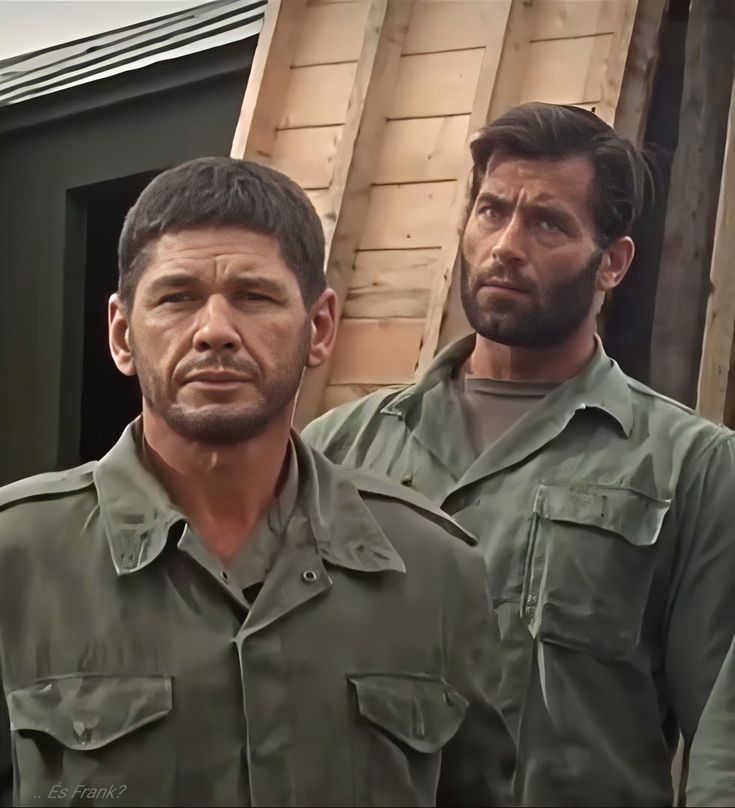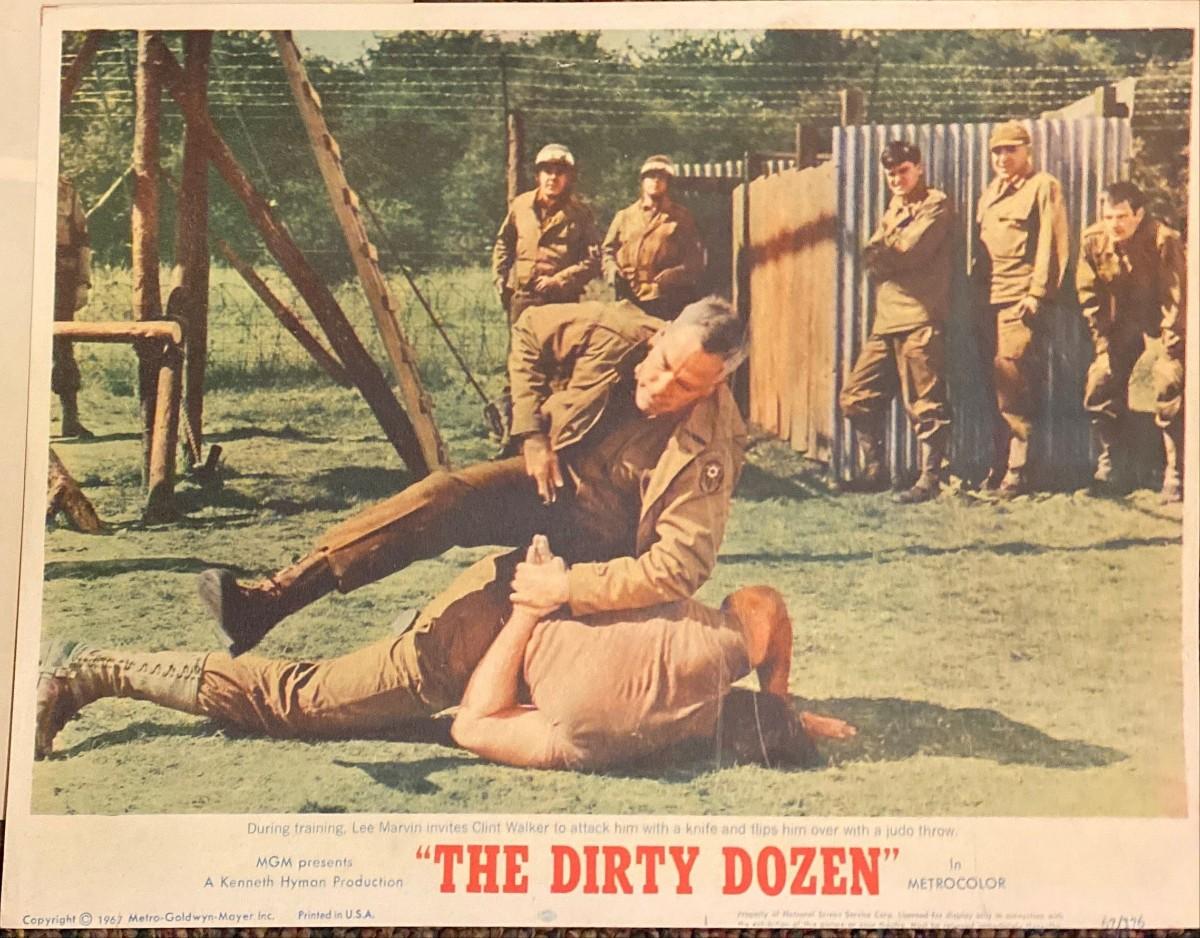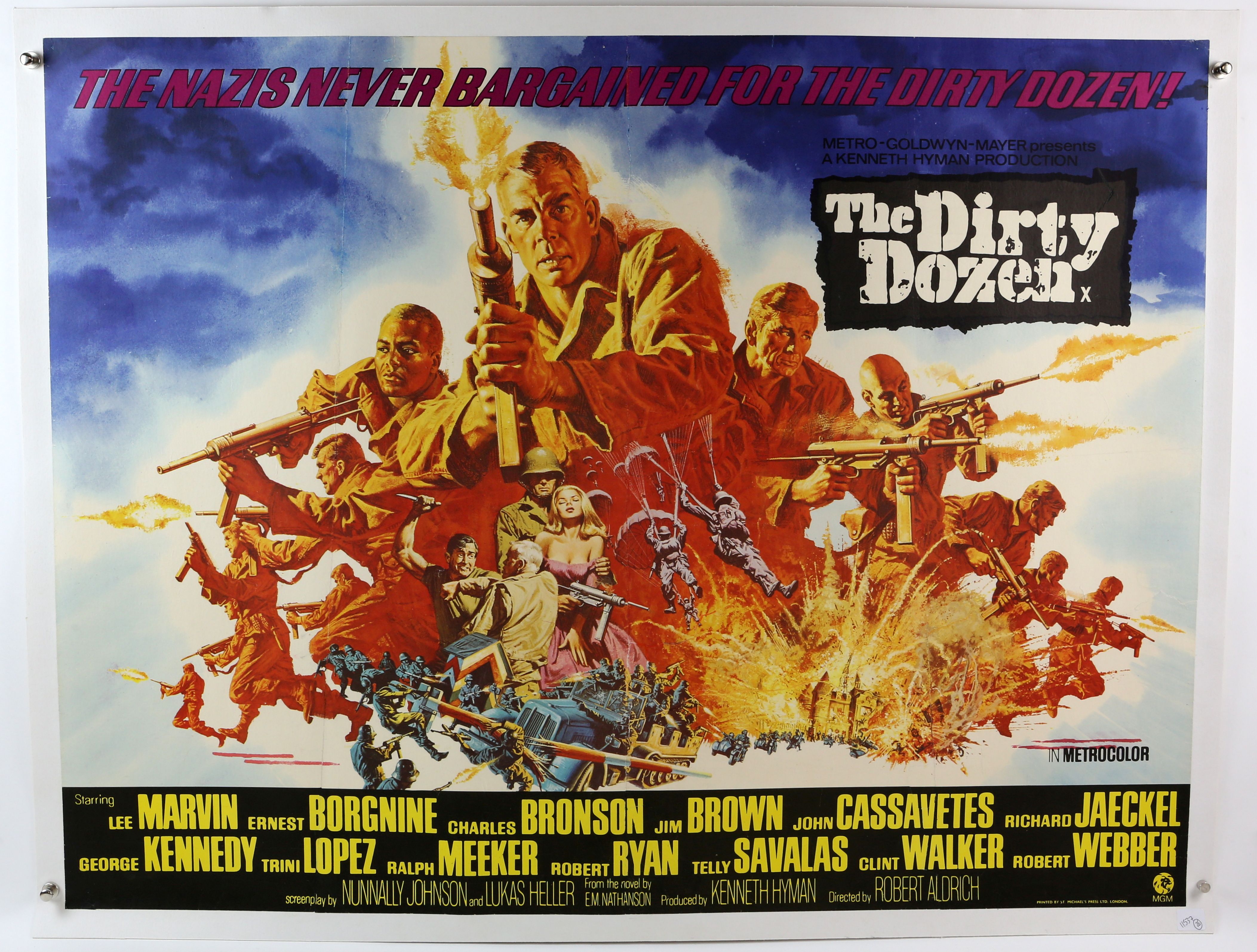
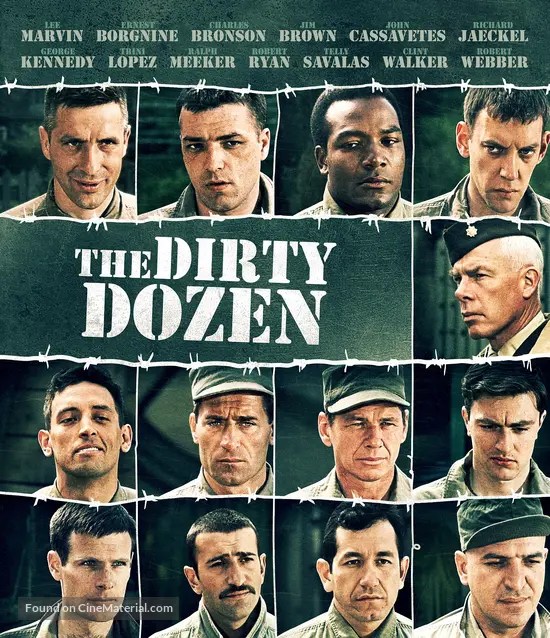
THE DIRTY DOZEN, one of the biggest bad boys in the Guy Movie pantheon, drew controversy in 1967, partly over its audacious concept, mainly over the violence quotient. Past-due-date critics like Bosley Crowther may have soiled their tuxedos but average GI Joe’s volunteered in overwhelming force. The $5,400,000 WW2 suicide mission epic seized $51,000,000 in the States alone, the fifth heftiest smash of the year. *
“Gasoline? Are you sure?”
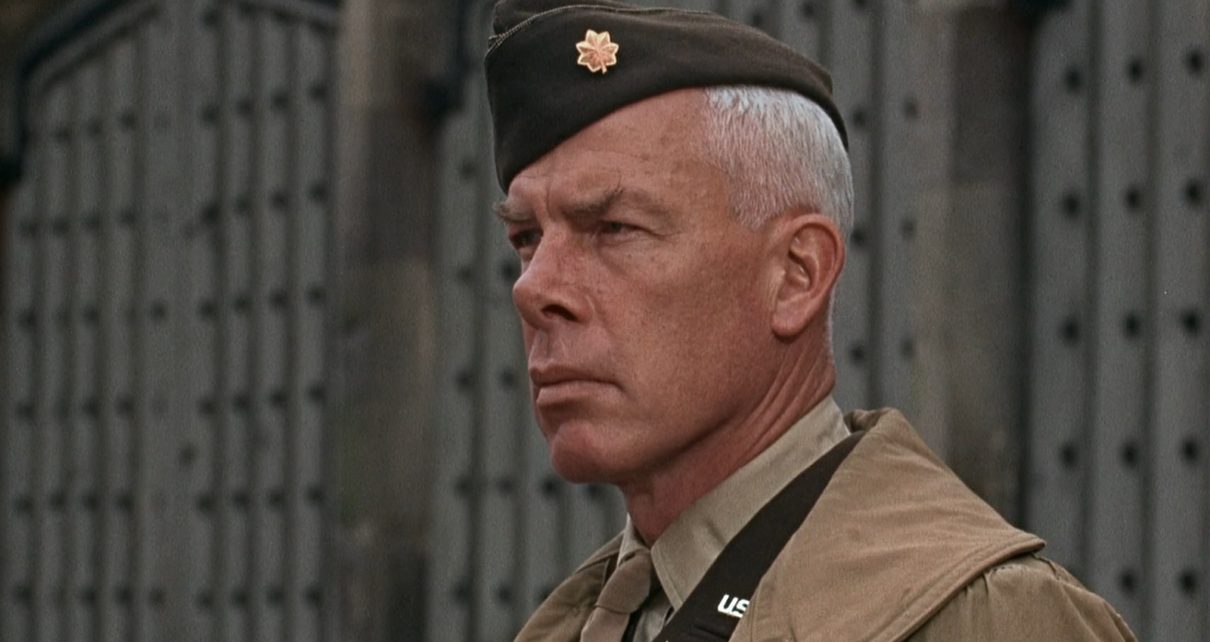
England, 1944. The cross-Channel assault is nearing. Someone in the Allied general staff has come up with a doozy for maverick US Army officer ‘John Reisman’ (Lee Marvin). “Project Amnesty” will have him train a squad of men who have been convicted of crimes—some are hanging offences—and parachute them into France on the night before D-Day. They’re to blow up a château near Rennes in Brittany where high-ranking Wehrmacht officers are gathered, thus creating havoc in the enemy command just before the invasion force lands. The odds of coming back alive aren’t reassuring. Nor, scheme-ensnared Major Reisman realizes, are those selected to carry it out.
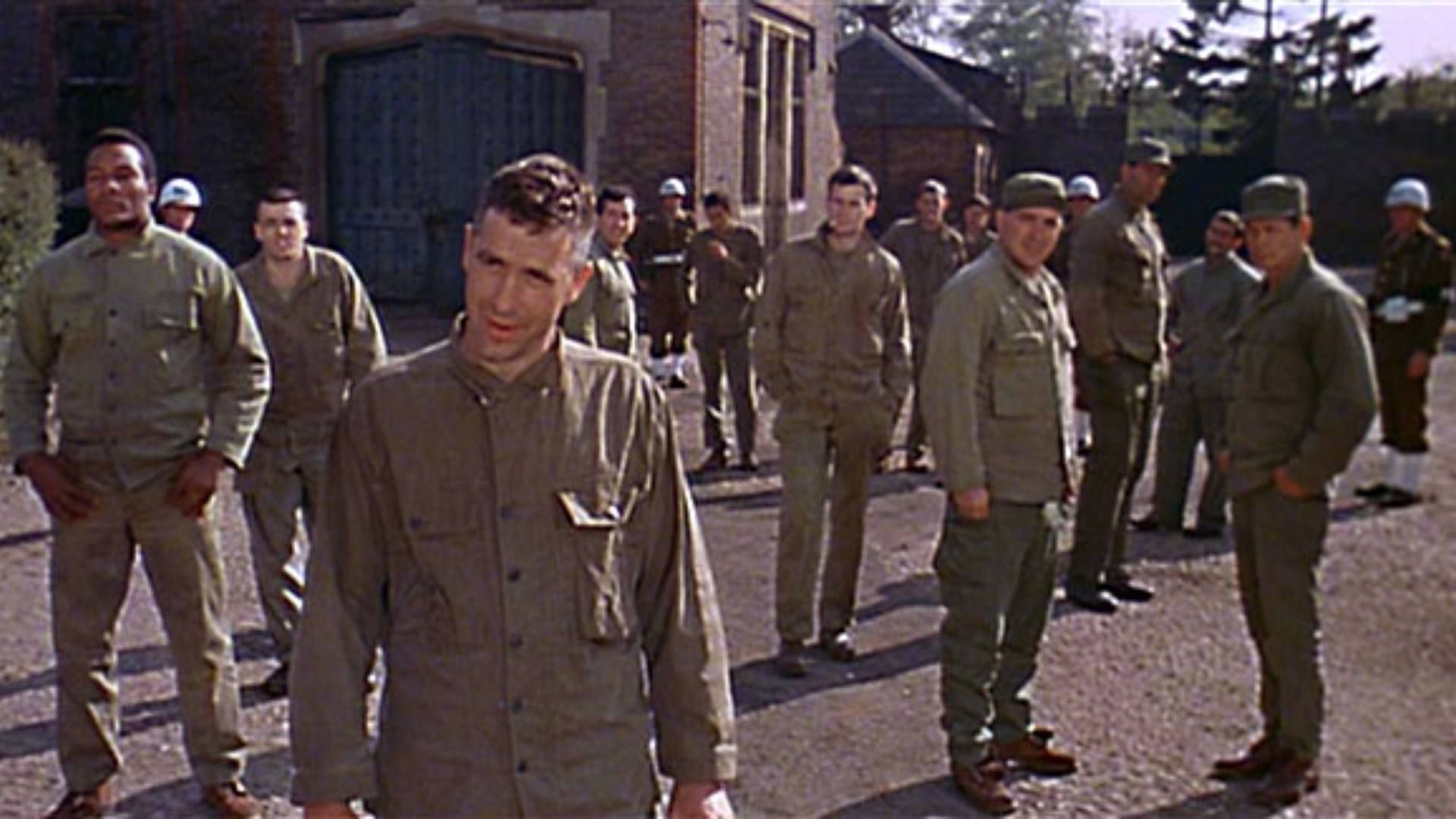
E.M. Nathanson’s 607-page novel is a snooze next to the film, which tracks 150 minutes, enthralling enough to feel like half that. The screenplay by Nunnally Johnson and Lukas Heller was tautly directed by Robert Aldrich, who made this the biggest hit of his 30-film career. The exercise in justified homicide landed smack in the middle of daily and televised reports of the war in Vietnam and in a year when movies amped up the pain impact in Bonnie And Clyde, The Good, The Bad And The Ugly, Point Blank (with Marvin) and The St. Valentines Day Massacre. Plus there were four nasty biker flicks that churned bucks, The Born Losers, Hells Angels On Wheels, Devil’s Angels and The Glory Stompers.
Though the action scenes are spectacular and exciting they’re also harsh: unless you’re a sadist (or a right wing politician) war is not touch football, and Aldrich takes pains (and dishes them out) to show that carnage—justified or not—isn’t pretty, with shredded morality part of the price tag.
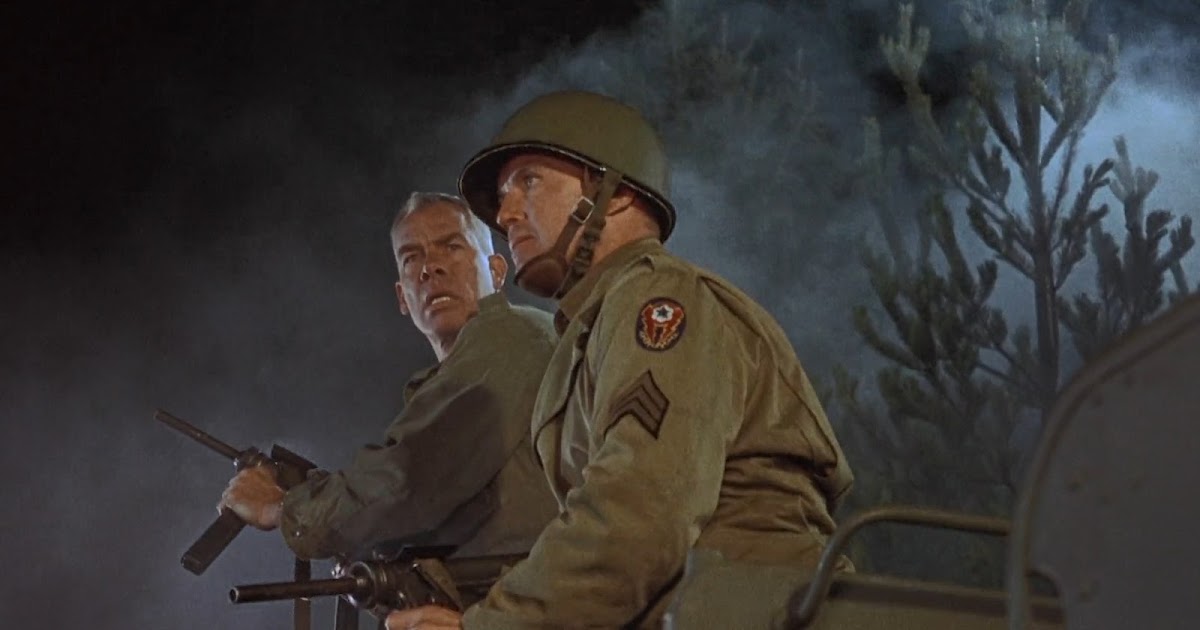
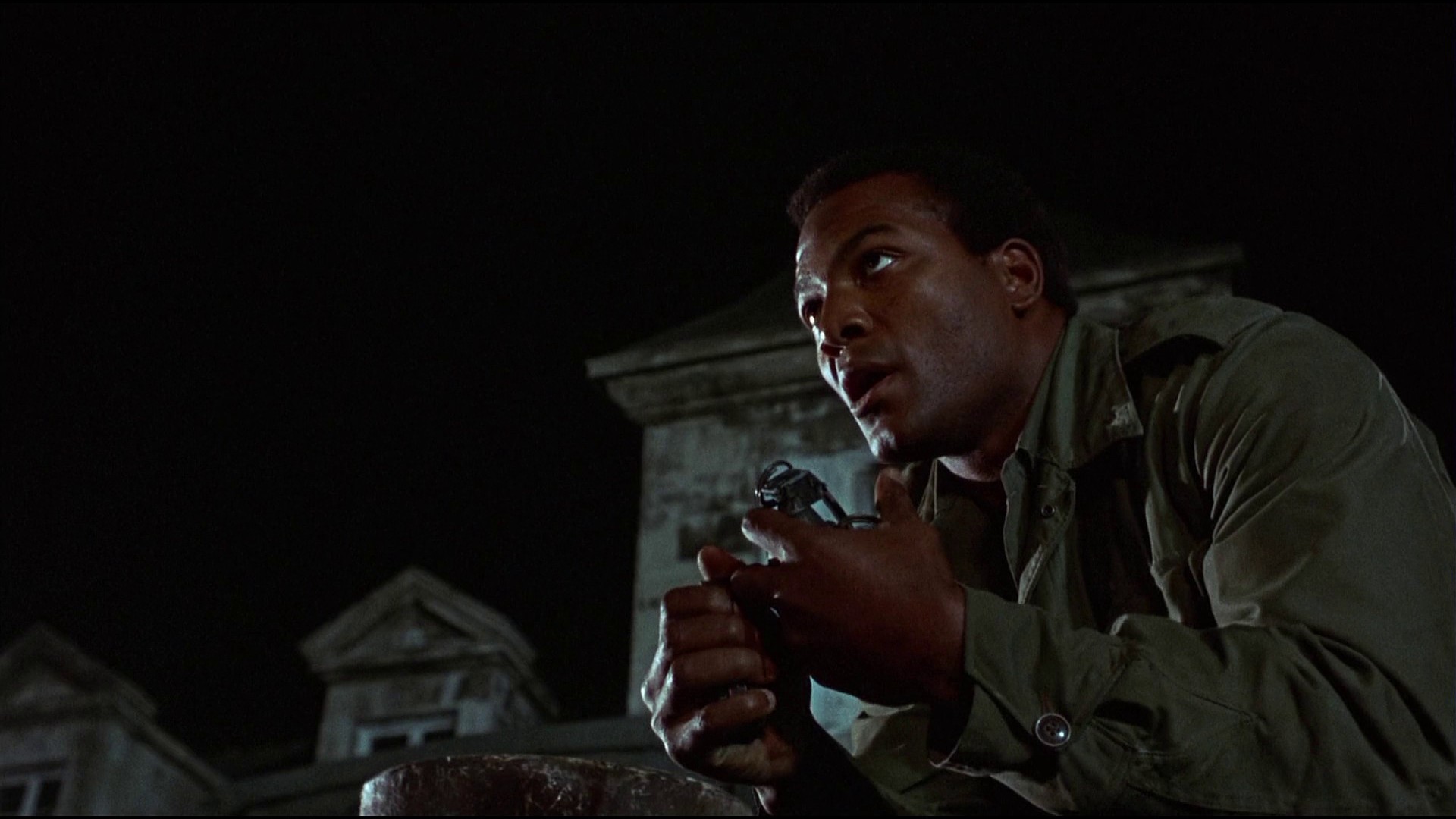
With his own harrowing WW2 service informing his 17 years in cinema trenches, Marvin, 42, was in high gear after Cat Ballou, Ship Of Fools and The Professionals: it’s hard to think of anyone better suited for the role. A few of the men look to be unfairly charged, others are blatantly guilty, one is clearly unhinged. While each member of the dozen gets in a lick, the six sad sacks with the most coverage are vividly represented by four seasoned vets and two new faces destined to shine. There’s resigned to fate cynic ‘Joseph Wladislaw’ (Charles Bronson, 45 and sharing his character’s resentment); smart-mouthed Chicago hood ‘Victor Franko’ (John Cassavetes, 36, copping an Oscar nomination as Supporting Actor); ‘Samson Posey’ (Clint Walker, 39), massive, polite, low-keyed unless he gets “pushed”; ‘Archer Maggot’ (Telly Savalas, 44), bible-quoting racist and rapist; stone-cold, embittered ‘R.T. Jefferson’ (Jim Brown, 30) and genial goofball ‘Vernon Pinkley’ (Donald Sutherland, 31). Brown did a support role three years earlier (the fave Rio Conchos) and since 1962 Sutherland had bit parts in numerous TV series and a half dozen flicks (notably the creepout Die! Die! My Darling!): thanks to this, both shifted into the big leagues.
Reisman lucks out with a watchdog in ‘Sgt. Bowren’ (Richard Jaeckel, 39), doubtful about the setup but ruggedly dependable. Bearing gravitas as assorted officers are a brace of aces, playing hard-nosed (Ernest Borgnine and Robert Webber), helpful and sympathetic (Ralph Meeker and George Kennedy—breaking big in ’67 with Cool Hand Luke) or just plain damn hateful (Robert Ryan as ‘Col. Everett Dasher Breed’).
BREED: “Reisman! Some people may consider you a first-class officer. But as far as I’m concerned, you’re a disorganized, undisciplined clown. I’m gonna’ make it my business to run you right out of this Army.” REISMAN: “I owe you an apology, colonel. I always thought that you were a cold, unimaginative, tight-lipped officer. But you’re really quite emotional, aren’t you?”
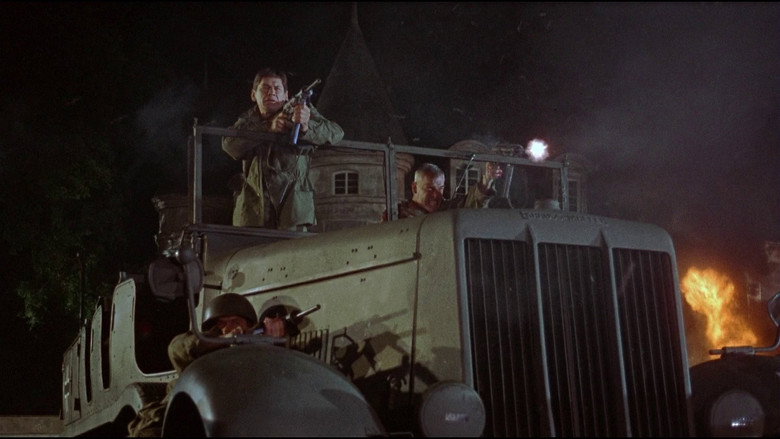
Filmed in England (Hertfordshire and Buckinghamshire); that huge chateaux set was 720 yards wide and 50 feet high, with hundreds of pieces of foliage, a creek and a bridge. Scored with an air of portent and power by Frank De Vol, Aldrich’s go-to composer (16 films). The climactic no-holds-barred battle, tense, ruthless and thunderous, is one of the most famous action set-pieces of the era.
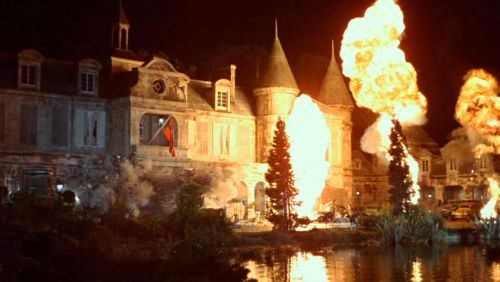
Besides the salute to Cassavetes, Academy Award nominations arose for Film Editing and Sound. It handily won for Best Sound Effects. It should have been up for Best Picture instead of the softsoaped Guess Who’s Coming To Dinner and the bloated absurdity Doctor Doolittle. The ‘gasoline scene’ may have cost Aldrich a nomination for Director; the Screenplay and Art Direction also rated but were likewise left out.
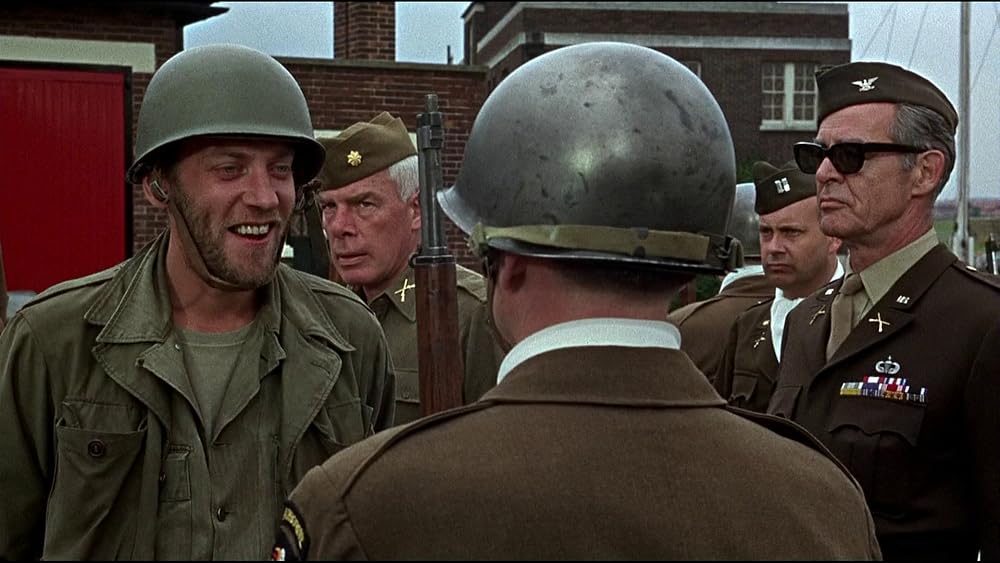
PINKLEY: “Where are you from, son?” SOLDIER: “Madison City, Missouri, sir!” PINKLEY:”Never heard of it.”
The rest of the twelve: Trini Lopez, Al Mancini (gets a share of laffs), Ben Carruthers, Stuart Cooper, Tom Busby and Colin Maitland. Also in the cast are Robert Phillips and Dora Reisser (ill-fated Nazi officer’s playmate). **
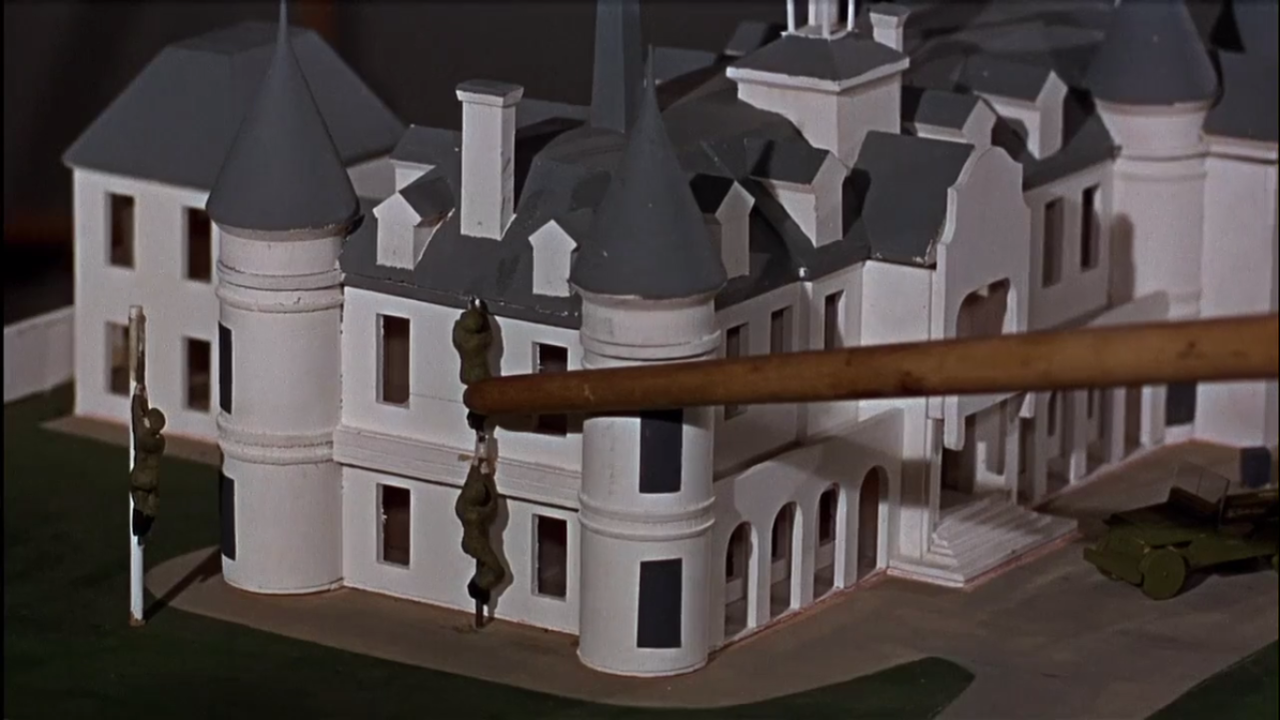
* Mission Creep/s—“Franko goes in where the others have been.” War is nothing if not a business opportunity (ask the White House) and TDD lit the fuse for similar exploits. On TV Garrison’s Gorillas began a 26-episode run while the movie was still in the theaters. In 1968 the fact-based The Devil’s Brigade made the American part of a joint US-Canadian commando brigade into an array of not criminals, but screw-ups (naturally they come around). 1969 deployed convicts to Play Dirty. In 1970 Aldrich slipped with the expensive flop Too Late The Hero, a variation on the theme, set in the Pacific, with no convicts, just bitter malcontents. Italy ripped it off in 1977 with The Inglorious Bastards (the title later appropriated by a certain Quentin dude).
“EVERYBODY ABOVE THE RANK OF LIEUTENANT INTO THE SHELTER! ”
The original is so iconic that it blew off the collateral damage from a trio of lame TV movie sequels/spinoffs. Eighteen long years down the pike Marvin, Borgnine and Jaeckel reunited to waste time (ours, they got paid) in 1985’s The Dirty Dozen: Next Mission, fumbled by shoot-fast &-sloppy Andrew V. McLaglen. Two years later The Dirty Dozen: The Deadly Mission featured Telly Savalas, this time not as a psychopath but an officer (insert snide jape). Borgnine reprised his General role. Then in ’88 a last gasp wheezed from The Dirty Dozen: The Fateful Mission, again with Telly and Ernie. Each featured new recruits—Ken Wahl, Sonny Landham, Vince Edwards, Bo Svensen, Tex Cobb, Alex Cord, Erik Estrada, etc. Skip all three. “We all come out like it’s Halloween.”
** Pop singer Trini Lopez, 30, was ‘Jimenez’, at least until—urged by mentor Frank Sinatra—he foolishly got a case of big-pants and argued with the director. Aldrich, who’d managed the testy likes of Bette Davis, Joan Crawford and Burt Lancaster, wasn’t about to take jazz from a jumped up novice: with command prerogative he simply bumped off Jimenez before the finale (offscreen yet: take that, putz) and effectively shanked Trini’s shot at a cinema sideline.