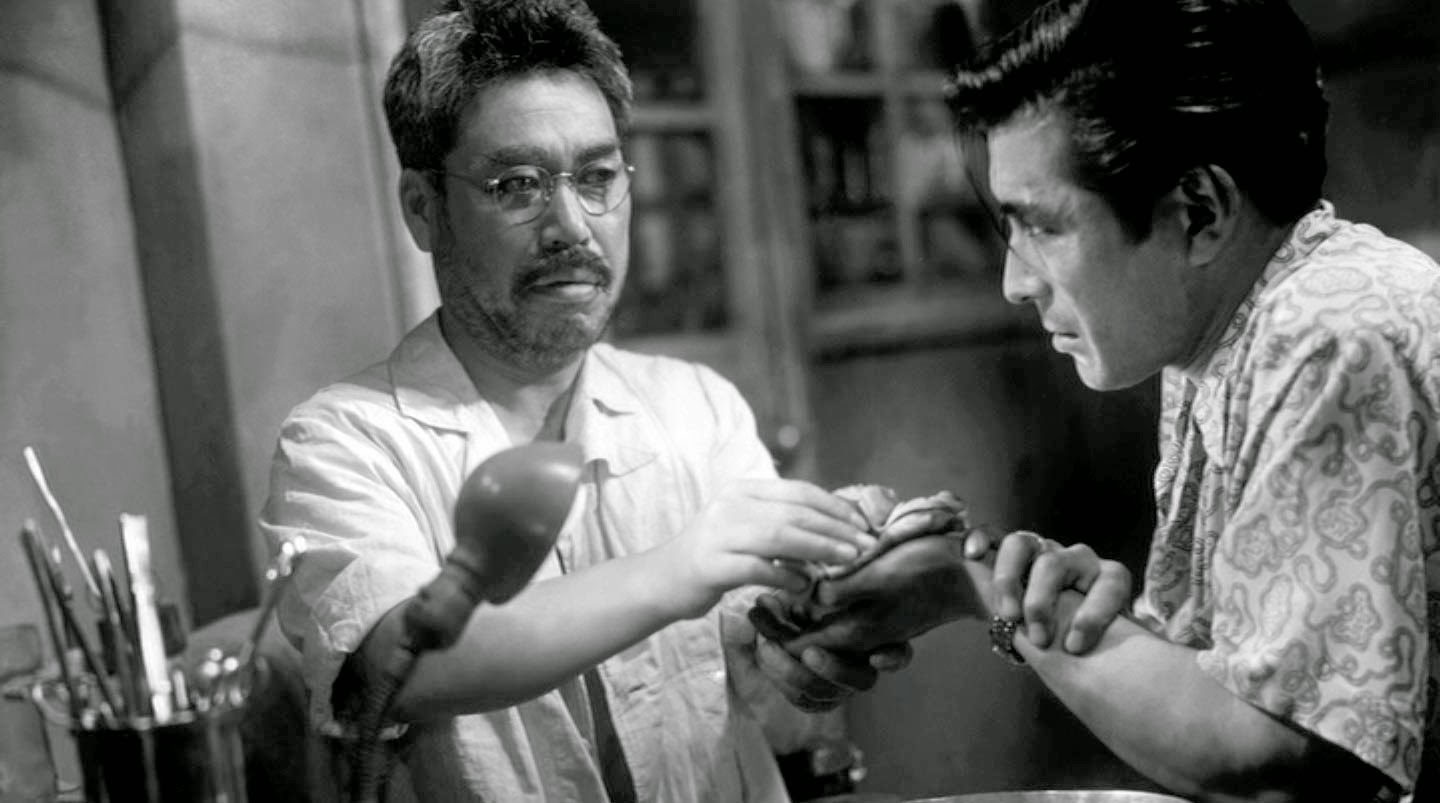
DRUNKEN ANGEL drew admiring reviews and good business at home in Japan when it came out in 1948, but international attention took years, sparked first by director Akira Kurosawa’s critical success Rashomon: limited US showings of Drunken Angel didn’t book until 1960. Wider appreciation (discerning fans rather than connected critics) spread after a re-release in 2002.
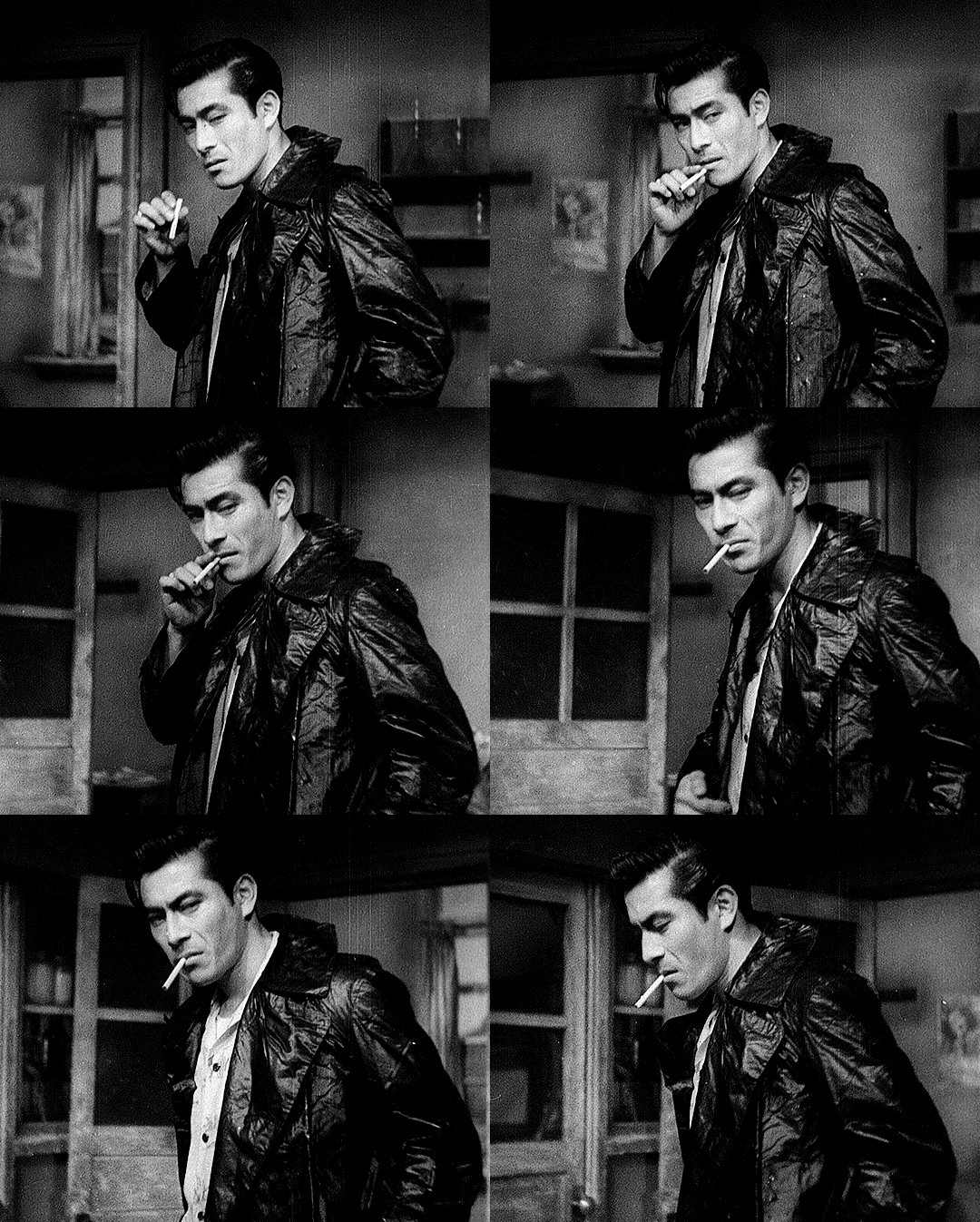
Firsts—Kurosawa had directed seven prior films, but this drama, co-written with Keinosukie Uekusa, is regarded as his first major accomplishment. It was the inaugural cinematic look at Japan’s post-WW2 yakuza underworld, and the initial collaboration of Kurosawa with composer Fumio Hayasaka: they’d pair six times, including on Seven Samurai. A greater claim to fame is that it launched sixteen teamings of the director with 27-year-old Toshiro Mifune. *
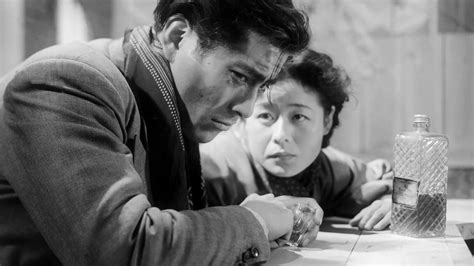
“He tormented you, made you sick, and then deserted you like a puppy. And you still wag your tail and follow him.”
Three years after World War Two has ended, recovery in shattered Japan contends with the expansion of criminal forces and with widespread illnesses like tuberculosis. ‘Sanaka’ (Takashi Shimura, 42) is a doctor with a barely adequate clinic that operates in a Tokyo slum. Other than its distressed inhabitants the neighborhood’s main feature is a foul sump: its visible pollution symbolizing the moral rot of gangsters who thrive in & upon social desperation. Sanaka is crusty and irritable, and drinks too much, but he’s honest, and sincere in his practice. When gunshot-wounded hood ‘Matsunaga’ (Mifune) shows up for treatment, Sanaka determines that the slick, defensive racketeer—his black market fiefdom in the shanty town includes a bar/dance hall/brothel—also has a growing case of t.b. The doctor senses something in the volatile younger man that might be salvaged, not just sick lungs but a warped spirit. Advice collides with avarice, conscience battles code.
“The Japanese love to sacrifice themselves for stupid things.”
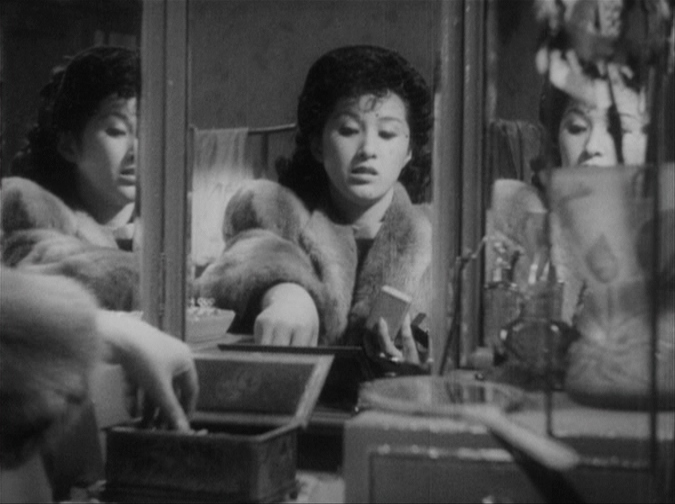
Mifune had appeared in two movies (one, Snow Trail, his debut, was written by Kurosawa) before Kurosawa chose him for this story; he gives a raw and flamboyant performance balanced against the garrulous Shimura, whose healer is quarrelsome yet resigned to his weaknesses and station. Reizaburo Yamamoto is extra-spooky as ‘Okada’, the previous area honcho returning to slime back into control after a stew in ‘stir’. While censorship strictures kept outright criticisms of the Allied occupation at bay (it lasted until 1952) the script’s condemnation of the gangster’s vaunted honor code amounts to a bracing challenge not just to the yakuza (we guess displeased) but more broadly takes a sword swipe at essentially feudal belief systems in the pre-wired-to-obey society that are outdated and destructive.
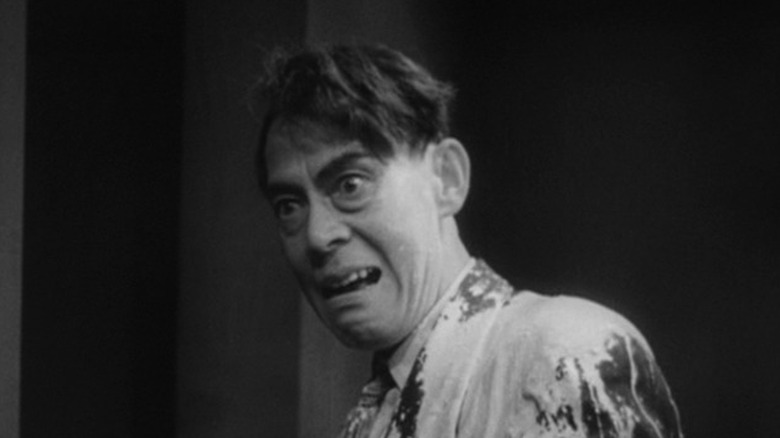
“We all have fears, we’re human. But you’re too ashamed to admit it. And you confuse that with courage. I’d say, you’re all the worst kind of cowards. Otherwise, why the tattoos, the tough talk and the strutting around?”
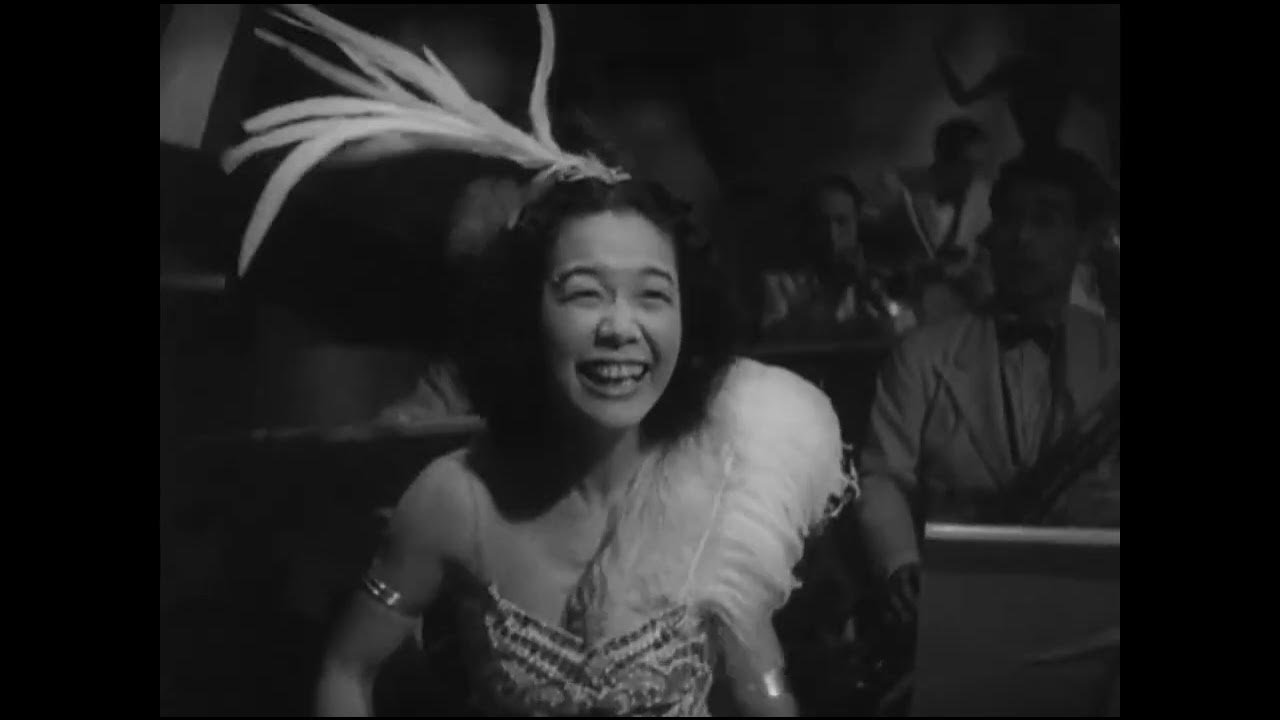
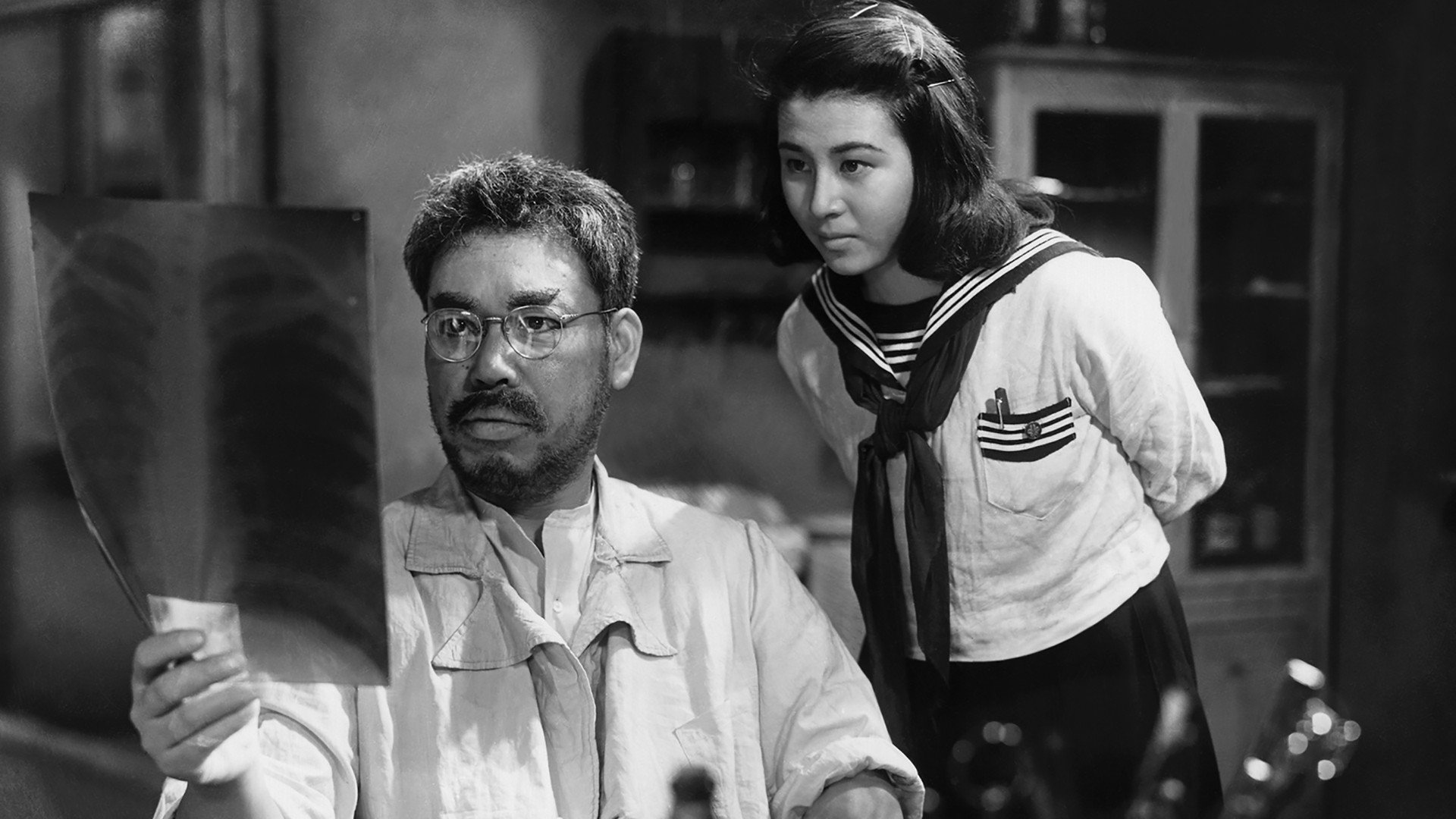
98 minutes, with Michiyo Kogure (‘Nanae’, Matsunaga’s sly, disloyal plaything), Chieko Nakakita (‘Nurse Miyo’, the doctor’s assistant, fearful of Okado, her abusive ex), Noriko Sengoku (kindly barmaid ‘Gin’, who hopes to help Matsunaga to reform in a country village) Yoshiko Kuga (the ray of light schoolgirl), Shizuko Kasagi (belting out the naughty “Jungle Boogie”). The cinematography was finessed by Takeo Itô (142 credits between 1926 and 1964).
* Teamwork—“The whole medical profession’s ridiculous. Doctors can’t survive without patients.” Though the Kurosawa-Mifune pairing is mentioned more often, Takashi Shimura topped Toshiro’s tally by having the earliest, longest and most prolific Akira/actor run, twenty pictures between 1943 and 1980.


Loved reading this. A real hidden gem from Kurosawa’s filmography. I think this may well feature Toshiro’s best performance.
He was terrific. Watched it twice in a row, same with “Stray Dog”.