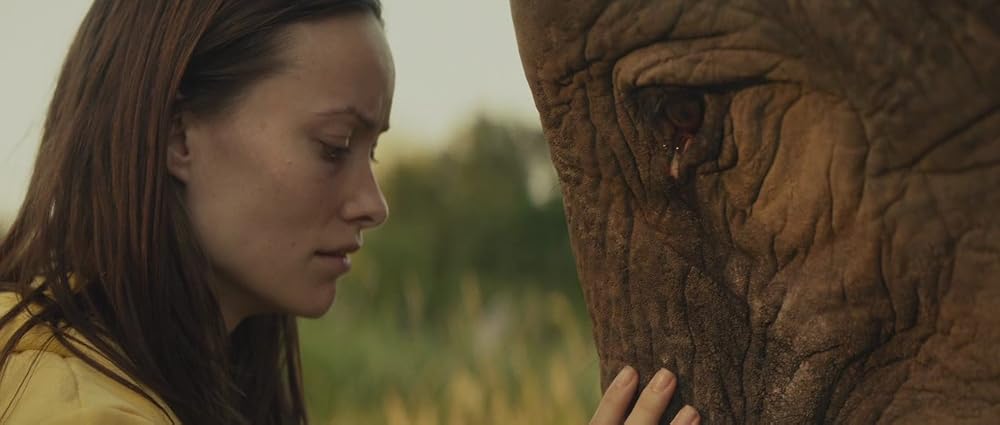
MEADOWLAND, a somber 2015 drama, was the directing debut of Reed Morano, who also served as the cinematographer, a skill she had honed in a dozen films, including The Skeleton Twins. This was the first of three in a row she directed that dealt with loss and trauma of one sort of another. The second, I Think We’re Alone Now, has Peter Dinklage and Elle Fanning as survivors of a worldwide plague, then The Rhythm Section sees Blake Lively revenging the terrorist murder of her family. Written by Chris Rossi, Meadowland confronts hurt on a less grandiose scale, one tragically more common and literally closer to home: the hope-erasing horror of child abduction.
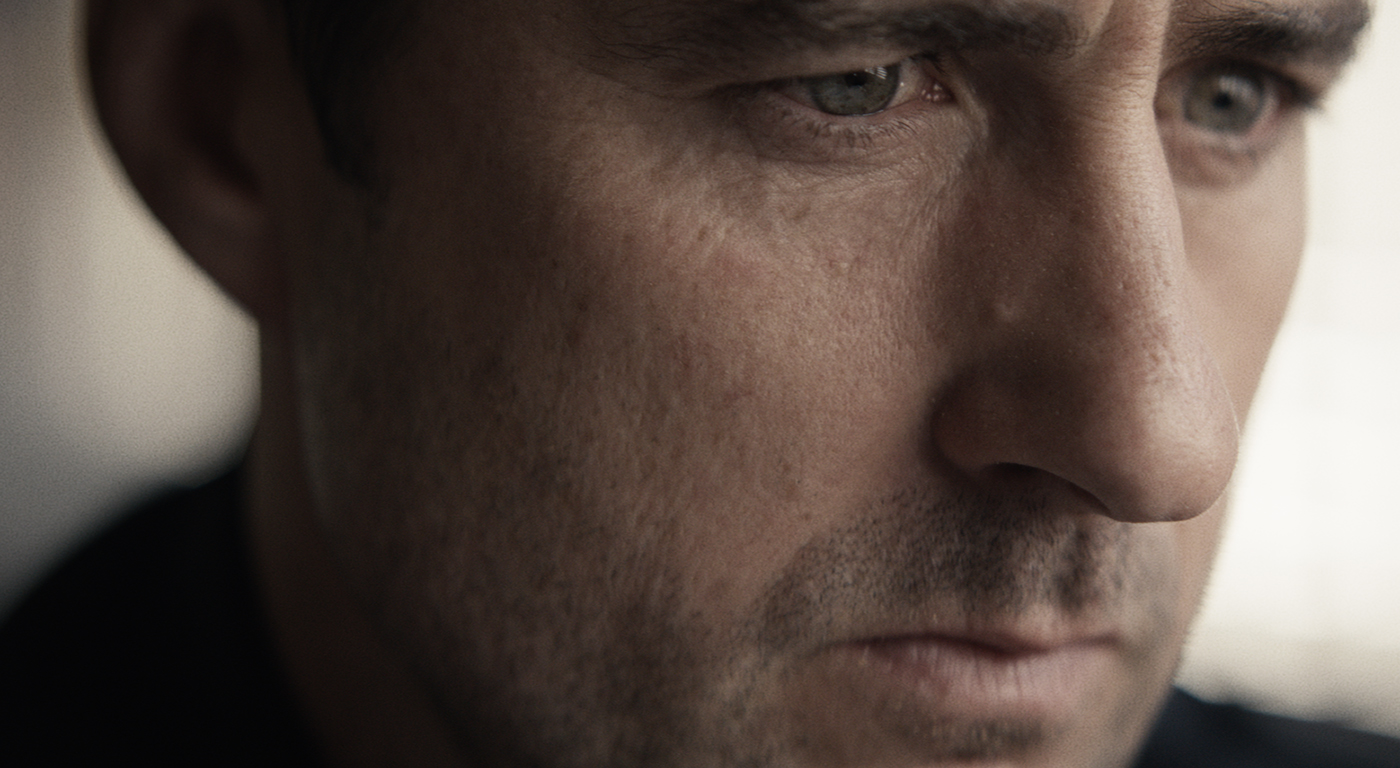
A family road trip becomes a journey of pain with no end in sight. ‘Sarah’ (Olivia Wilde) and ‘Phil’ (Luke Wilson) stop at a roadside gas station. Their little boy uses the restroom. He never comes out: he’s been abducted thru an adjoining door that leads outside. As time grinds on, and a year of searching yields no results, the strain on their spirits warps their behavior. Sarah, a schoolteacher, directs attention to a student affected by Asperger’s; he’s friendless, a child with foster parents who barely care. Phil, a New York City cop, attends grief counseling. Both temporary pathways only lead them further into spirals that may harm not only themselves but others.
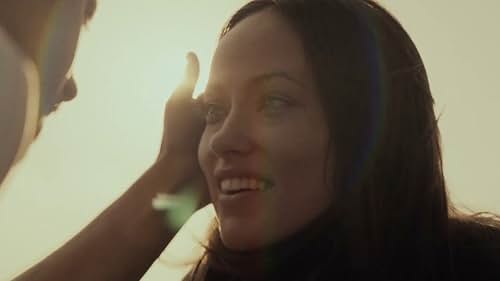
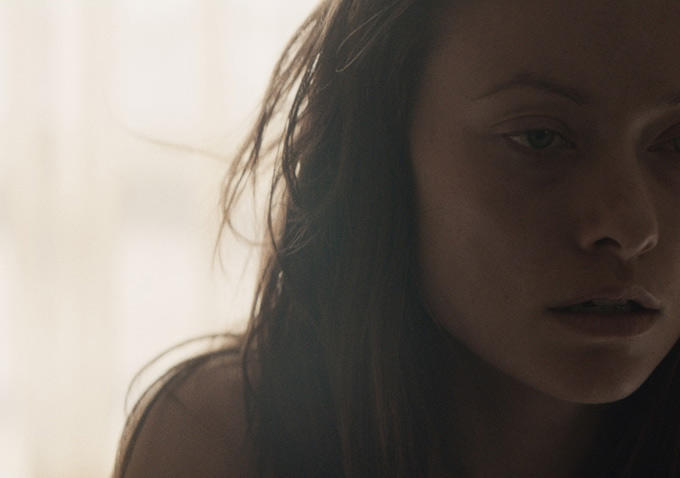 Joining feature films like The Deep End Of The Ocean, The Lovely Bones and Gone Baby Gone and a slew of made-for-TV efforts, the basic setup is familiar, except in this instance resolution, like the psychic wound, is left open. Absent a pat, comfortable conclusion, it makes for a painful viewing experience, worthwhile for the superb performances and skillful direction, editing and camerawork. Wilde and Wilson telegraph deep distress thru the pain in their eyes and with minute flashes of facial expression and posture. Wilde always impresses and Wilson has his best-ever dramatic role. Eschewing showy eruptions for tight, subdued, bone-deep reveals of anguish, they convey acute emotional distress without the standard pseudo-catharsis of raging and breaking furniture. Morano uses her camera like a magnifying glass that can see in the dark. *
Adam Taylor contributes a sparse, effective score. With good work from Giovanni Ribisi (Phil’s rabbit-nervous, strung-out brother), John Leguizamo (a different sort of role for him, as another hoping-to-heal father Phil meets in group), Ty Simpkins (‘Adam’, the lonely student Sarah reaches out to), Elisabeth Moss (Adam’s white trash foster ‘mom’), Kevin Corrigan (the useless foster dad), Mark Feuerstein, Juno Temple, Merritt Weaver, Kid Cudi and Casey Walker (‘Jessie’, the taken child—he’s the son of director Morano). A limited release posted 339th at theatrical box office, before shuttling to streaming services. 105 minutes.
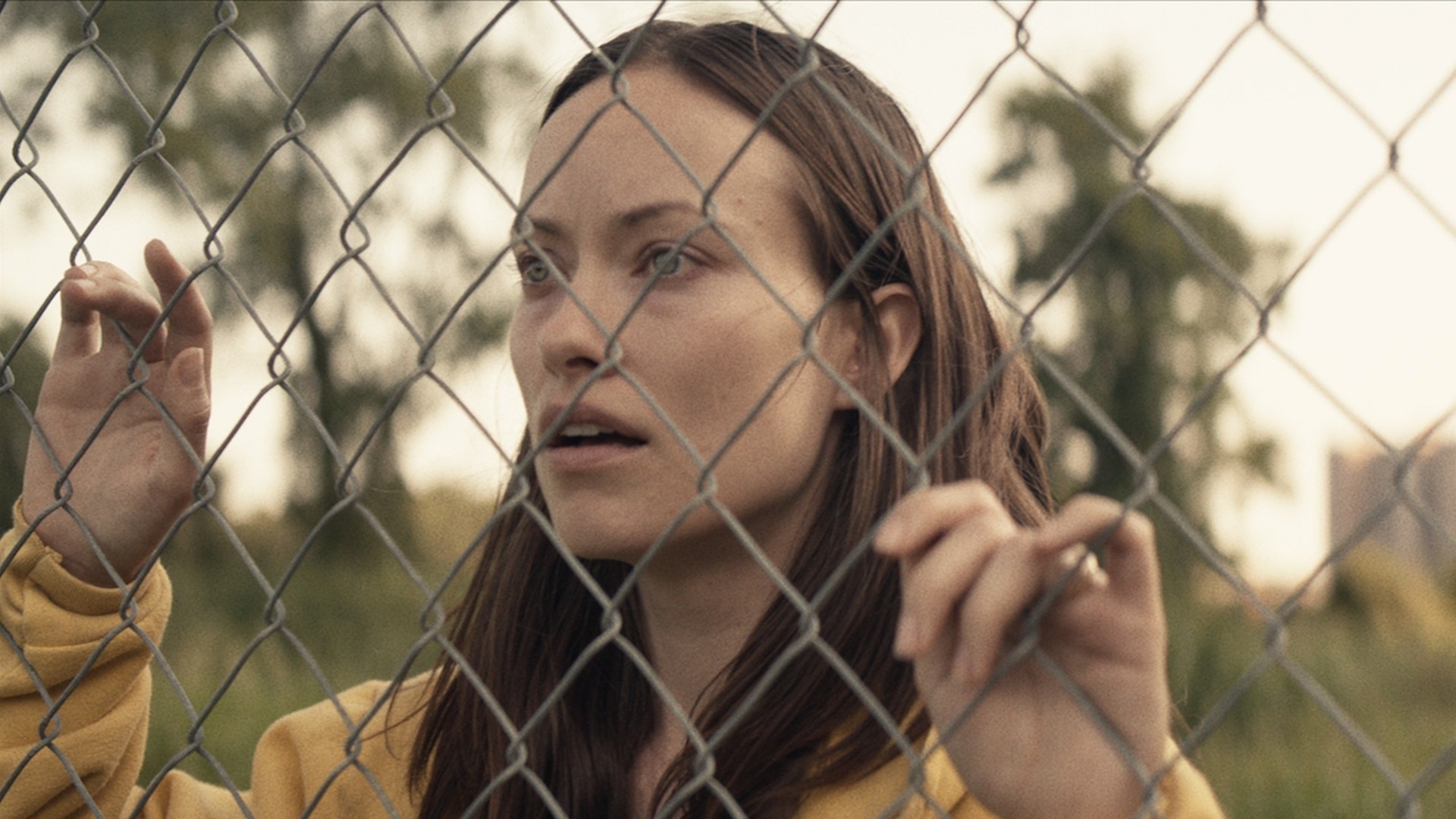
* Why?—this is hardly pleasant viewing, but it is one whose effect lingers afterwards. Other than it was a chance to work with an emergent directorial talent and a venue for acting chops display, we believe Wilde, Wilson and the others felt the subject matter of inconsolable grief is something that extended beyond the immediate storyline. This is exemplified by a scene where Wilde confronts a carnival elephant, standing isolated behind a wire fence in a field. Sarah had earlier been shown perusing material about the ghastly slaughter of the largest land mammal on Earth, and the moment of intra-specie contact/empathy registers as a capsule comment on one of the great Why & What For questions about our collective passage on this place in space. Despite their intelligence, size and great strength, elephants don’t stand a chance against rampant greed and poachers with automatic weapons, any more than than an innocent and defenseless child does against a determined deviant. The contact moment between character/actress and creature offers a stunning grace moment of mutual solace for a few sentient, suffering beings in a human-infested world that habitually accommodates the unacceptable. Why?
 Movies ala Mark