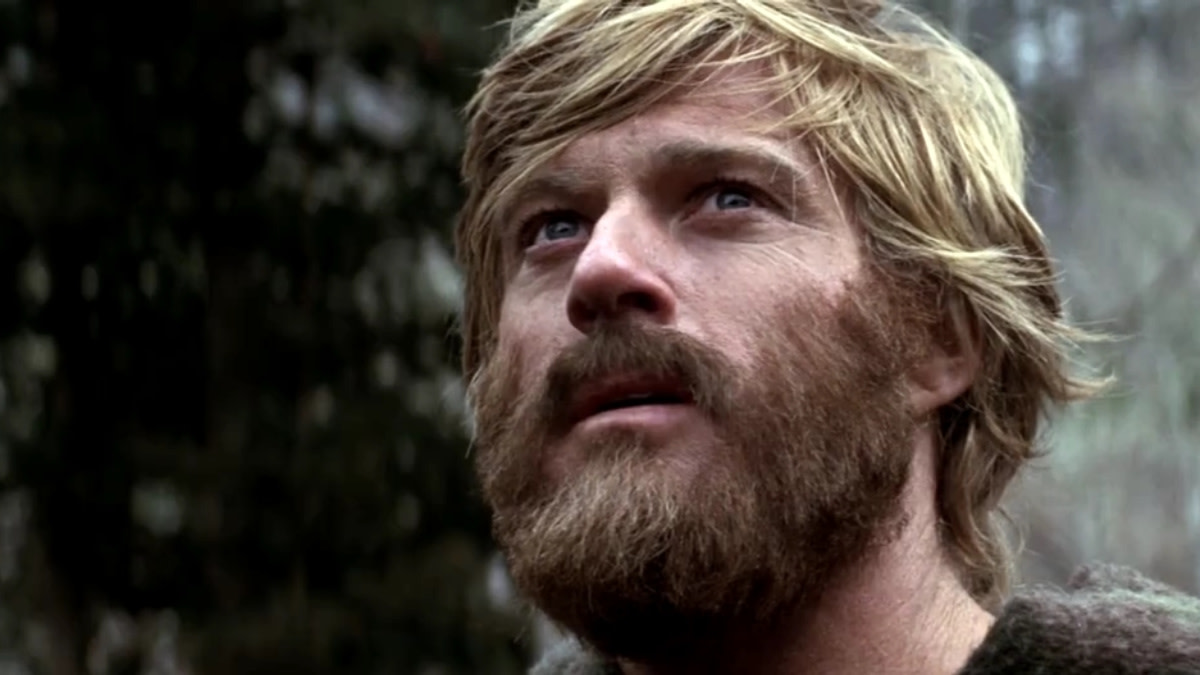
JEREMIAH JOHNSON—“I ain’t never seen ’em, but my common sense tells me the Andes is foothills, and the Alps is for children to climb! Keep good care of your hair! These here is God’s finest scupturings! And there ain’t no laws for the brave ones! And there ain’t no asylums for the crazy ones! And there ain’t no churches, except for this right here! And there ain’t no priests excepting the birds. By God, I are a mountain man, and I’ll live ’til an arrow or a bullet finds me. And then I’ll leave my bones on this great map of the magnificent…”
The above’s bold statement of creed is hollered to the winds not by the title character but from one of his occasional ornery yet observant compatriots, saying farewell with unambiguous passion, soul poetry absent a quill pen, silk cuffs and a guilty conscience. Jeremiah is as deeply touched by the life he’s led and where he’s lived it; he’s just a mite quieter about expressing it. Thanks to star Robert Redford, director Sydney Pollack, writers John Milius and Edward Anhalt, and the rugged majesty of the Utah and Arizona scenery, moviegoers of 1972 got to vicariously experience something of what drew, held and in many instances claimed, “the Mountain Men”. A flinty classic, one that bestirs latent Americana with every wander.
JEREMIAH: “Where you headed?” DEL GUE: “Same place you are, Jeremiah: hell, in the end.”
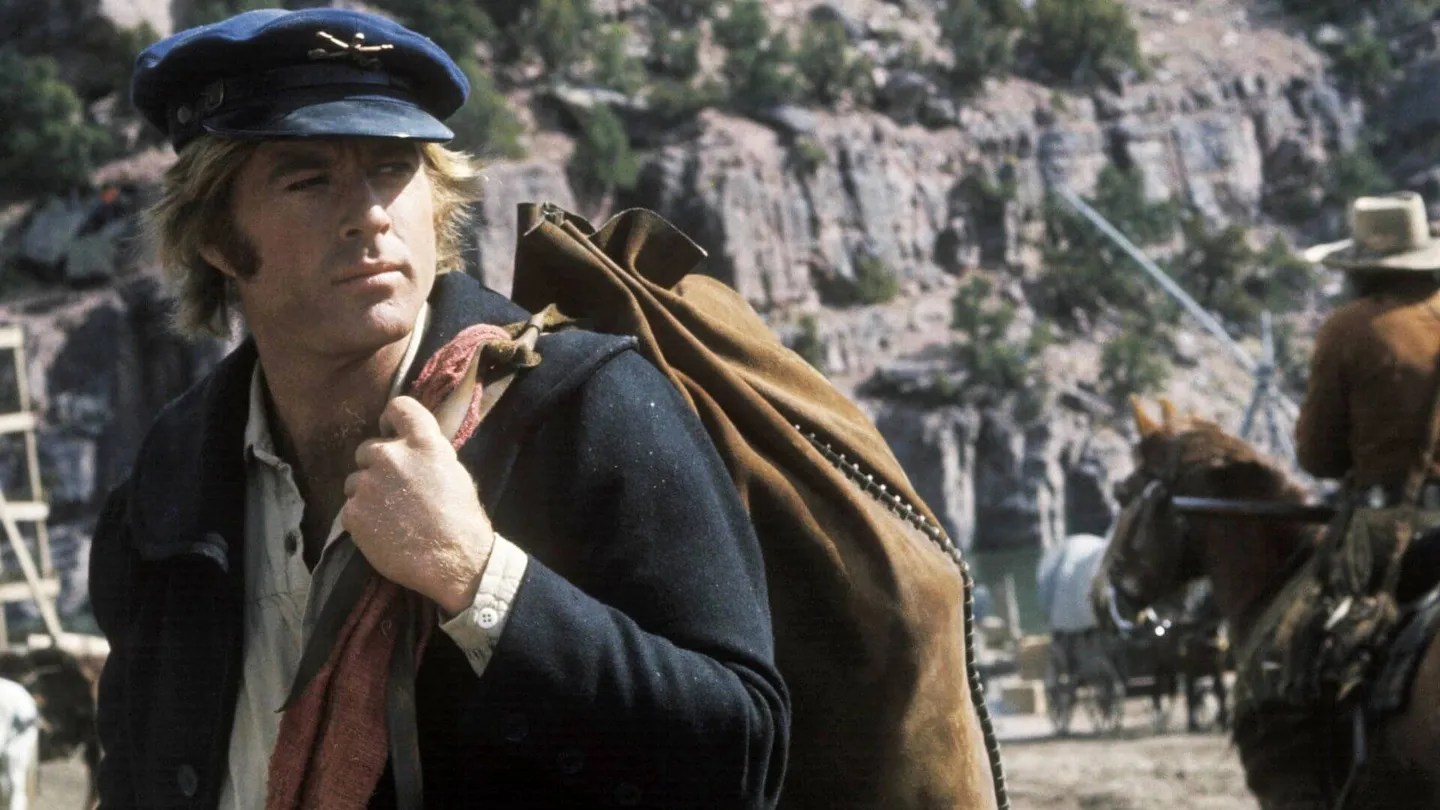
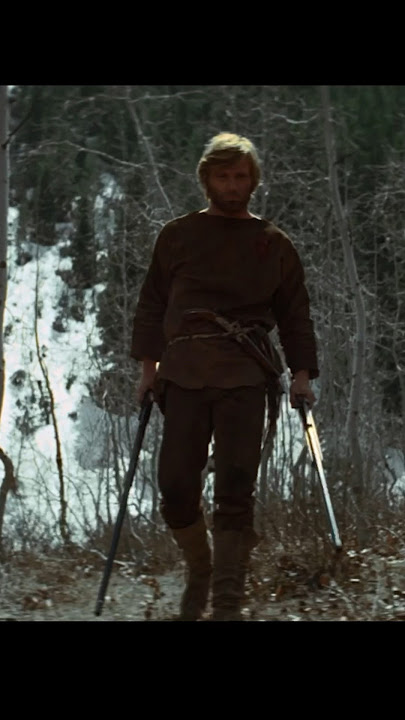
Out West: the late 1840s. Former soldier Jeremiah Johnson (Redford, 35) bets his hopes—and literally his life—on making a self-sufficient go as an independent trapper in the Rocky Mountains wilderness. Perils abound, the unforgiving climate, untamed wildlife and unfamiliar tribes; the learning curve is fast, often immediate. Valuable pointers come from veterans (survivors) of the territory and trade, like older cuss ‘Chris Lapp’ (Will Geer, 69, piss & vinegar undiminished), nicknamed ‘Bear Claw’ after his penchant for hunting grizzlies. Johnson ‘inherits’ a young boy whose family was ambushed by a Blackfoot war party and he befriends tribal branches of Crows and Flatheads, the latter inadvertently providing him with a surprise wife, the chief’s daughter. The cost of the good is a daunting measure of the bad, and a tragic turn of events transforms Jeremiah from amiable to avenging.
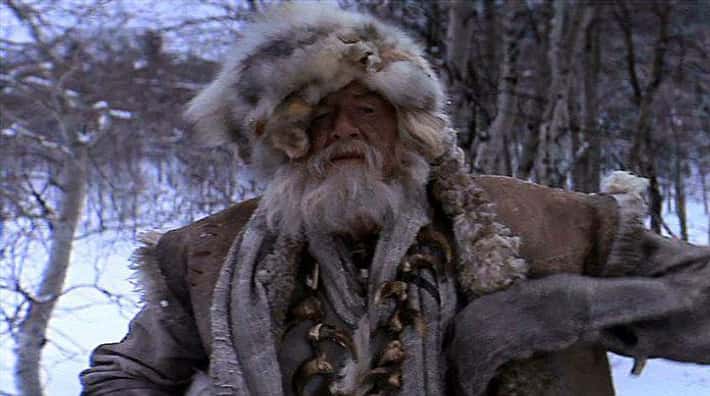
Will Geer, 1902-1978
JEREMIAH: “How does the war go?” LT. MULVEY: “Which war?” JEREMIAH: “The war against the President of Mexico. LT. MULVEY: “Why, it’s over.” JEREMIAH: “Who won?”
Westerns encircle movie lore in Little Big Horn numbers yet include just a handful about the trailblazers; kin to the breed, a select group: Across The Wide Missouri, The Big Sky, Yellowstone Kelly, ‘The Rivers” segment of How The West Was Won, Man In The Wilderness,The Mountain Men, The Revenant. Shot for a lean $3,100,000 with admirable pluck in harsh weather and on more than a hundred different locations, this one, wistful and hearty, melancholy and bracing, was based on the true, life-fractured John Johnson, on the non-fiction book “Crow Killer” by Raymond W. Thorp and Robert Bunker, and “Mountain Man”, a novel by Vardis Fisher. Audiences gulped it down like campfire venison, an ultimate gross (with re-releases) of $57,300,000 saw it the year’s 6th most popular film. **
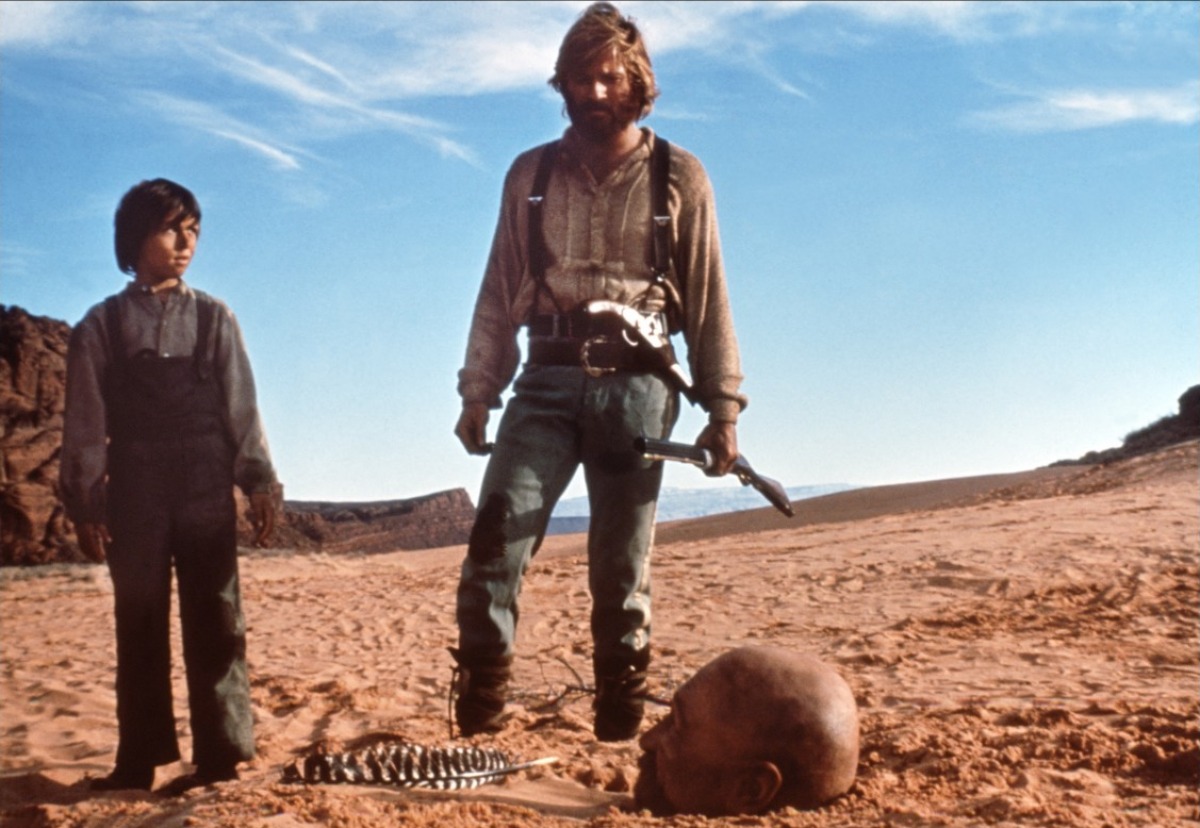
After the smash Butch Cassidy And The Sundance Kid, Redford had mixed luck with Downhill Racer, Tell Them Willie Boy Is Here and Little Fauss And Big Halsy before teaming with Pollack (second of seventh for star & director), on an arduous shoot. Veteran screenwriter Anhalt (Becket) and uncredited David Rayfiel had tuned up the early drafts from brash 29-year-old hotshot Milius. For the choice role of ‘Swan’, unknown Delle Bolton, 24, was selected over 200 hopefuls; she only made one other appearance, 36 years later on a TV episode. Along with her quiet charm and the feisty turn from Geer, this showcases the best work ever from Stefan Gierasch (as blustery ‘Del Gue’) who usually played fussy comedic parts. Pollack would spend 7½ months on the editing process. The sense of place is palpable—you can feel the chill, the breeze, the sun, and when the action erupts, it’s vivid, exciting, and appropriately painful. Atypical for a running time of 108 minutes, this ‘intimate epic’ emulates its spectacular big-budget forebears in adornment of a fine three-minute Overture and an Intermission with a two-minute Entr’acte. The scoring was a teamwork effort from Tim McIntire and John Rubenstein, with McIntire singing the plaintive title tune.
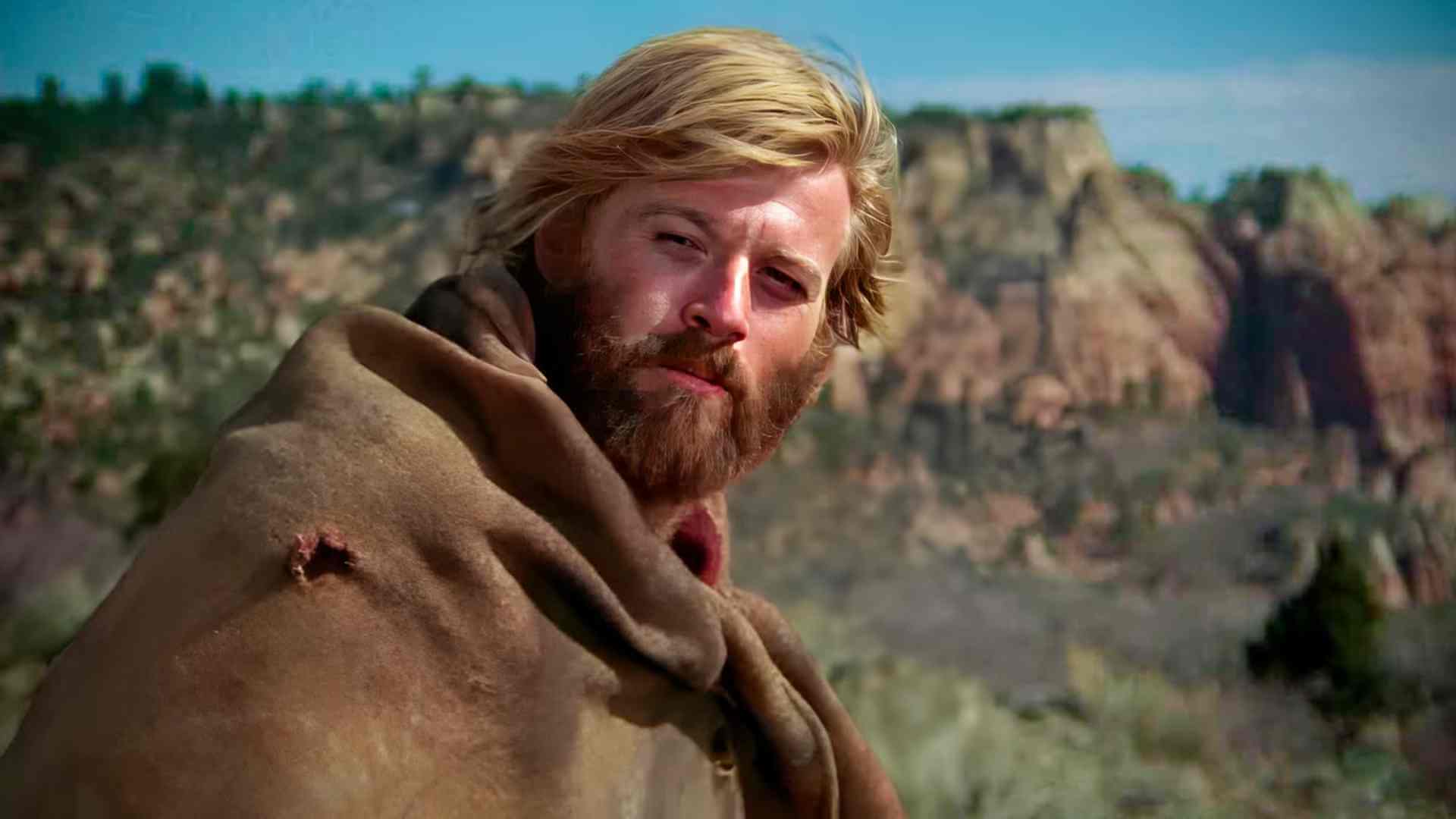
It all comes together beautifully, with front & center Redford excelling in a brawny, fully convincing physical performance, etched with meditative reflection and some moments of dry humor. 1972 was a coup year for him, bracketing this with the okay heist comedy The Hot Rock and the exemplary dissection of The Candidate. Next up were huge winners The Way We Were and The Sting.
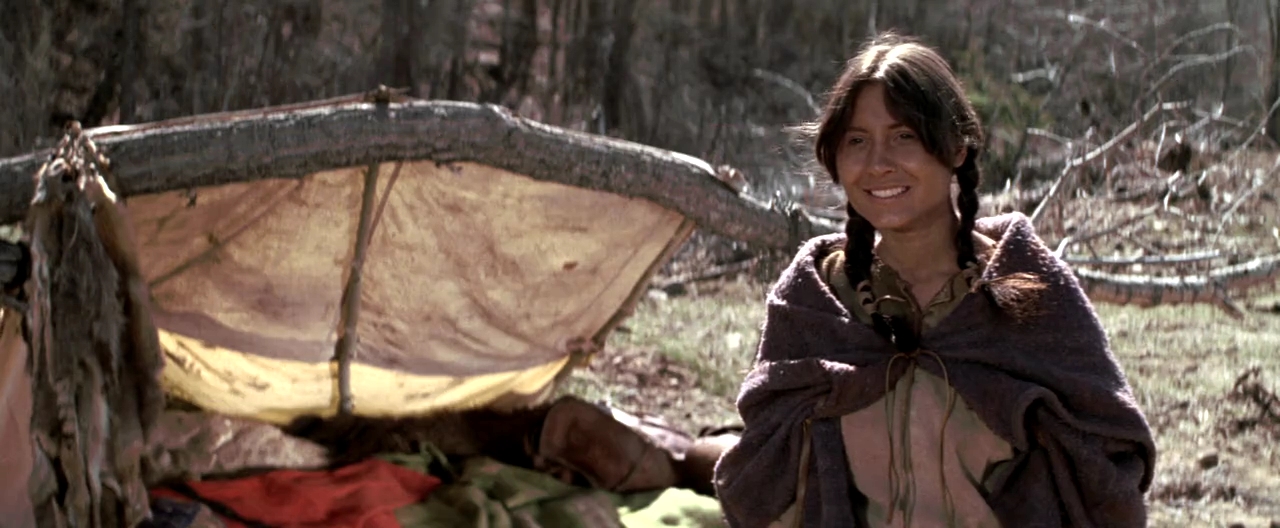
Delle Bolton, 1947-2022
JEREMIAH: “Y’ever get lonesome?” BEAR CLAW CHRIS LAPP: “Fer what?” JEREMIAH: “Woman?” BEAR CLAW: “Full time night woman? I never could find no tracks on a woman’s heart. I packed me a squaw for ten year, Pilgrim. Cheyenne, she were, and the meanest bitch that ever balled for beads. I lodge-poled her at Deadwood Creek, and traded her for a Hawken gun. But don’t get me wrong; I loves the womens, I surely do. But I swear, a woman’s breast is the hardest rock that the Almighty ever made on this earth, and I can find no sign on it.” **
With Josh Albee (the boy ‘Caleb’), Allyn Ann McLerie (‘Crazy Woman’, Caleb’s shattered mama), Richard Angarola, Paul Benedict (self-righteous reverend, on cue), Jack Colvin (the army lieutenant, for once thankfully not played as a jerk), Matt Clark, Joaquin Martinez, Charles Tyner (“Ride due west as the sun sets. Turn left at the Rocky Mountains.”) and unbilled, as one of Clark’s frightened kids, an ambitious 13-year-old songbird named Tanya Tucker.
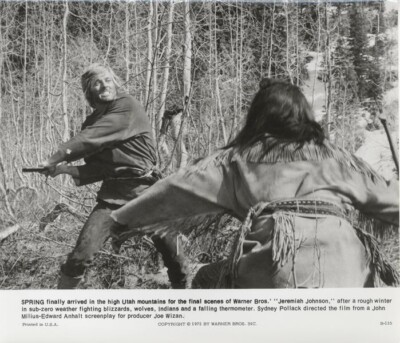
* “Put an amen to it!” 19th-Century He-man sentiments like Bear Claw’s likely didn’t endear this audience fave to the High Priestess of Spite aka Pauline Kael (never missing a chance to back-shoot Redford) who, from her nest in the thin air peaks of The New Yorker famously/fatuously proclaimed in 1974 that “the western is dead.” Uh-huh. This sage snort came on the heels of 1973 offering not just Jeremiah Johnson but The Life And Times Of Judge Roy Bean, The Cowboys, Joe Kidd, The New Land, Buck And The Preacher, The Culpepper Cattle Co., The Great Northfield Minnesota Raid, Bad Company, Ulzana’s Raid, The Magnificent Seven Ride!, Dirty Little Billy, Chato’s Land and The Revengers. Plus, left-fielded, five modern rodeo cowboy look-sees: Junior Bonner, J.W. Coop, Pocket Money, The Honkers and When The Legends Die. Whatever eyrie Kael’s perched in now, she’s most likely displeased. At present, where we are doesn’t look good, but at least those of us who remember and cherish America can take some refuge from the blizzard of hate and gibberish by ducking into a few hours of what was. Or what we wish it was.
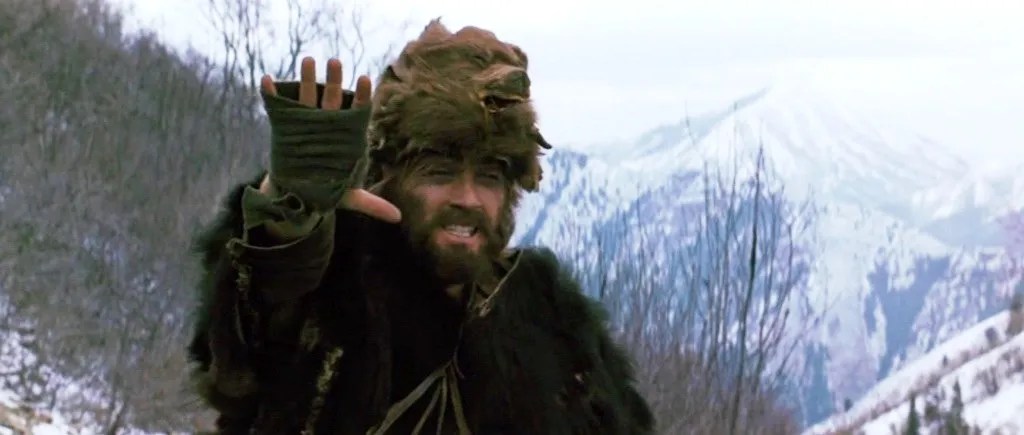
** Redford: “We had seven cases of frostbite, four cases of strep throat, two cases of pneumonia–and only three cases of Napoleon brandy! One week, the thermometer didn’t get up to zero once. Even the horses balked at coming out of their stalls. Sydney wondered where it was all going to end. I had a good idea, because I live there all year-round and know how tough a Utah winter can be. The weather couldn’t have been rougher for the crew, but terrific for the finished film.”
Pollack: https://www.youtube.com/watch?v=06eDAr5X2Ww
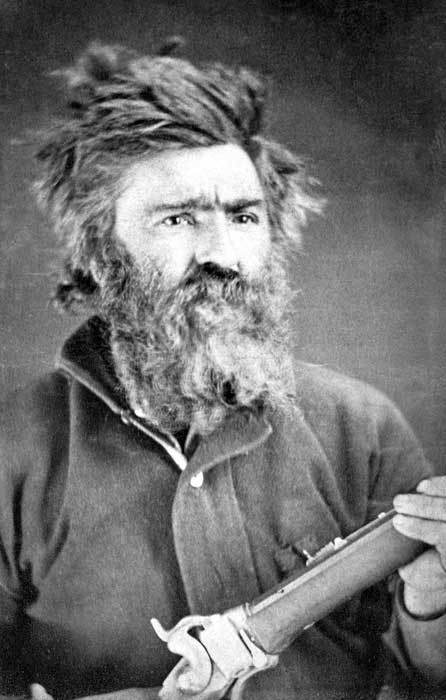
‘Liver-Eating’ Johnson, 1824-1900
 Movies ala Mark