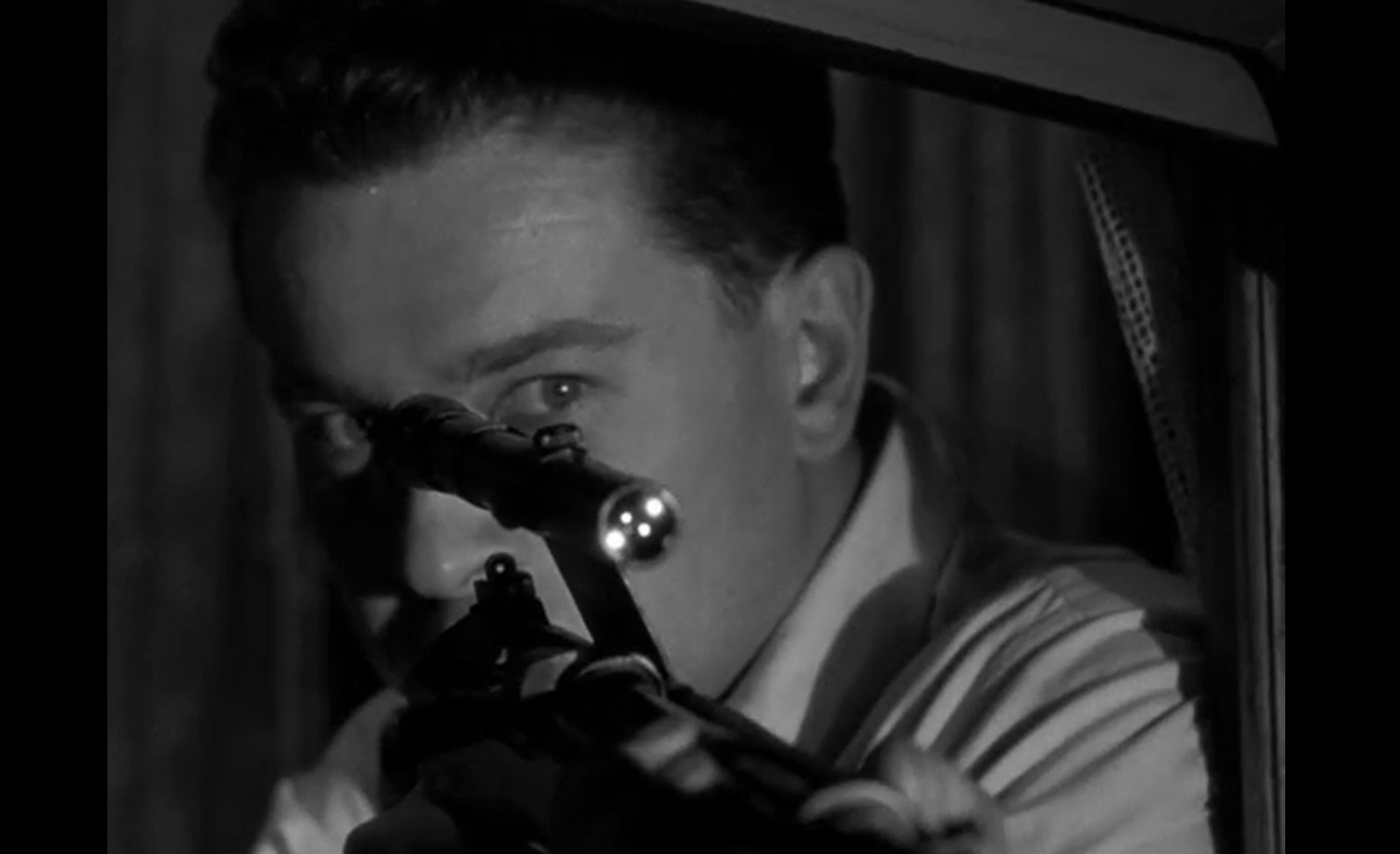
THE SNIPER plagues San Francisco in the taut 1952 thriller produced by Stanley Kramer, directed by Edward Dmytryk, with a script by Harry Brown. Edward and Edna Anhalt were Oscar-nominated for Best Story, which has a deranged man targeting women, some he’s met, others he’s randomly selected, murdering them using a carbine outfitted with a telescopic sight.
DOCTOR: “Were you ever in a mental hospital?” EDDIE: “Only when I was in prison.”
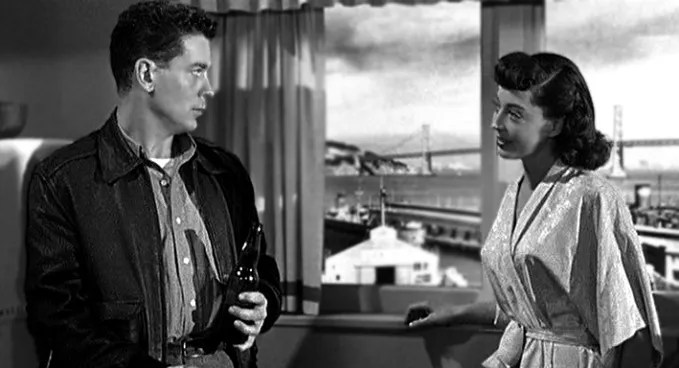
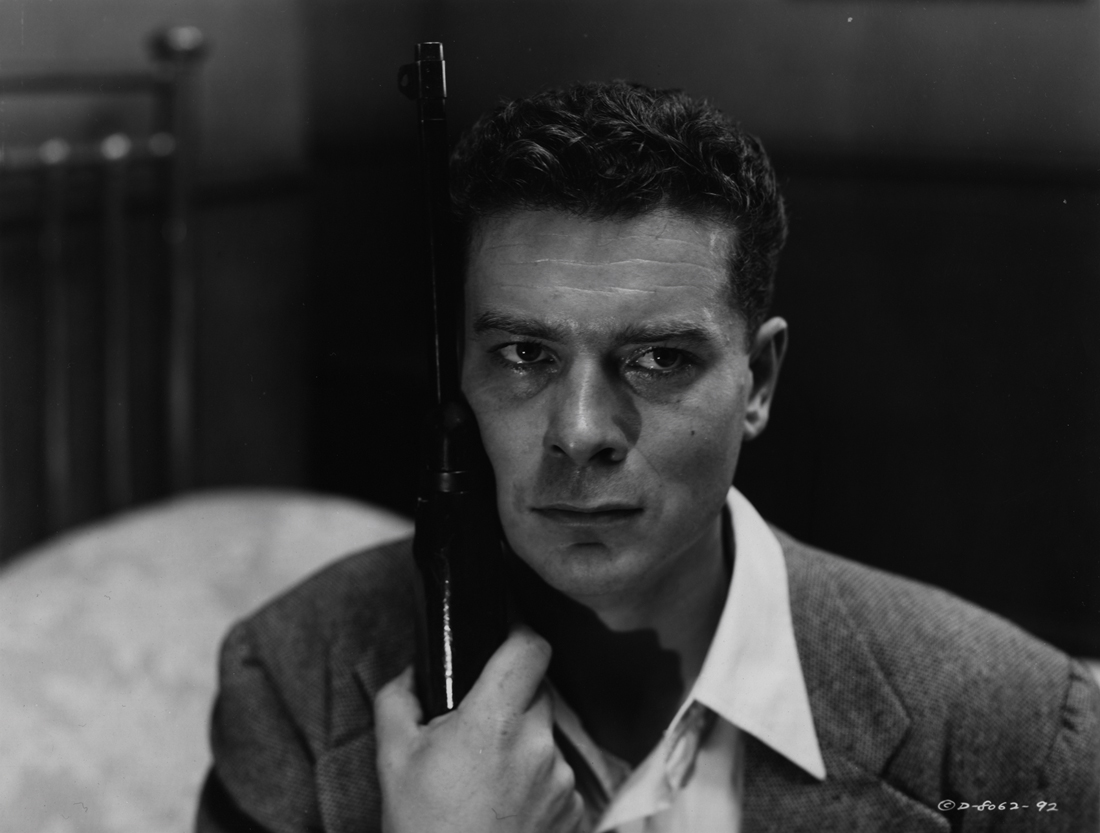
‘Edward Miller’ (Arthur Franz) works as a delivery man for a laundry, and lives alone in a spartan apartment. Seemingly friendly on the surface, he’s seething with resentment against women, and has a history of violent assaults, some of which he’s served time over. The rage he’s carried since childhood—“My mother never taught me anything!”—has finally erupted into homicidal impulses, and it doesn’t take much of a slight, real or perceived, to set him off. ‘Lt. Frank Kafka’ (Adolphe Menjou) leads the investigation, but the police are stymied. Psychiatrist ‘Dr. Kent’ (Richard Kiley) makes a plea that this case is an example of one that could maybe have been prevented with early detection and treatment, but in the heat of a one-man crime wave few are willing to heed him about any proposed solutions for the long run. The killings mount.
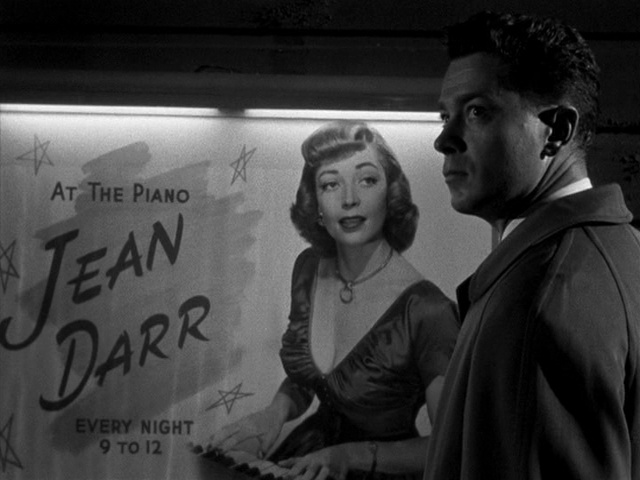
Location filming in San Francisco (Burnett Guffey, cinematographer), editing from Aaron Stell (Touch Of Evil, To Kill A Mockingbird) and a dramatic score from George Antheil (The Pride And The Passion) all work to effect, and the cast is studded with familiar faces in small roles. Notable contributions come from Marie Windsor (one of the victims), Frank Faylen (the police chief) and Carl Benton Reid (unyielding newspaper editor). At 61, Menjou is a little old for a lieutenant. Kiley, 29 in his second feature appearance, is impressive.
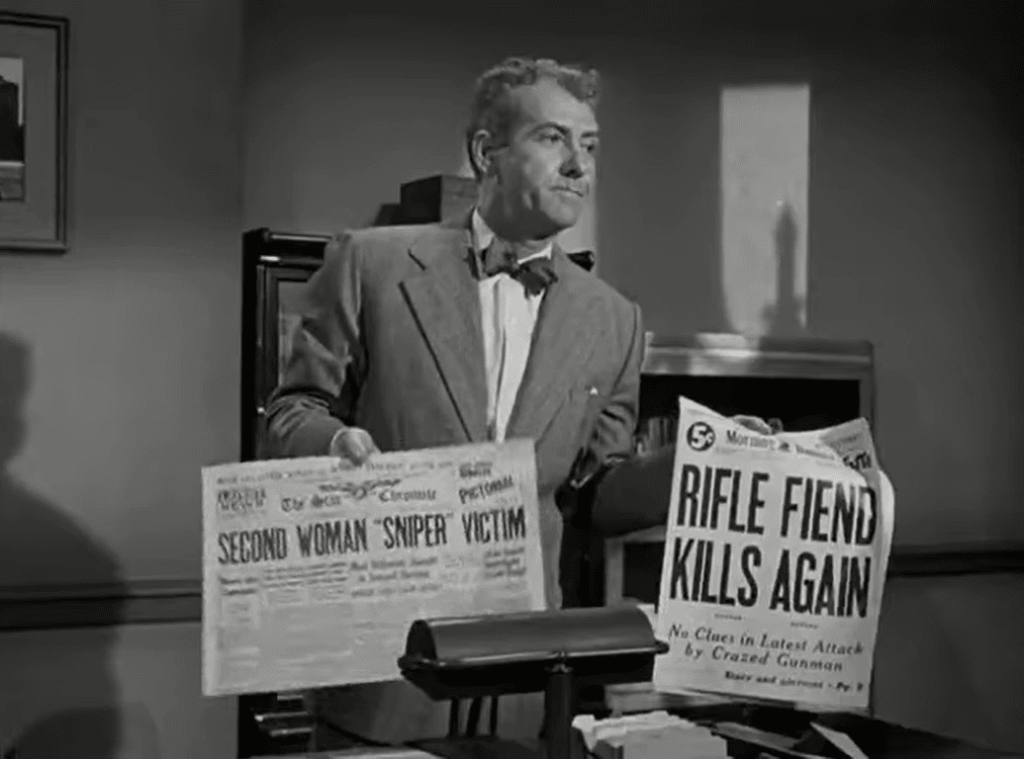
Frank Faylen, 1905-1985
Franz, 32, started in films in 1948 and worked steadily and dependably for 34 years, appearing in 47 feature films, nine TV movies and 94 series. Occasionally he had leads (including goofy low-budget faves like Monster On The Campus and The Atomic Submarine) with this his best-known and stand-out role; he does a suitably intense job conveying the mind maelstrom of someone who was warped from the whelp on. Naturally, it’s dated some over the ensuing decades, but for the most part he delivers as required. *
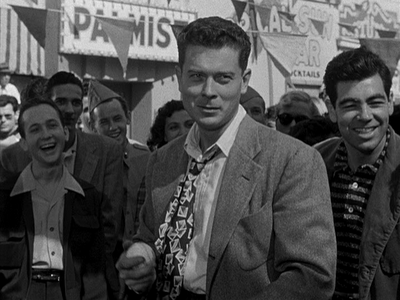
88 minutes, with Gerald Mohr, Mabel Paige, Marlo Dwyer, Byron Foulger, Robert Foulk, Charles Lane, Jay Novello, Paul Dubov, Charles Watts, Karen Sharpe, Jean Willes, Jesse White and Victor Sen Yung. Box office $1,500,000, #181 in 1952.
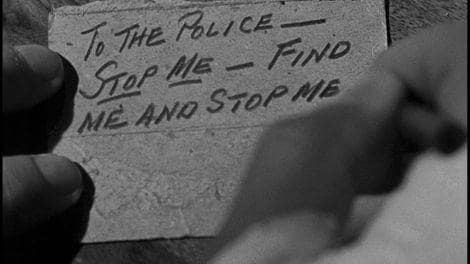
* Franz, Kiley, writer Brown, the Anhalts and director Dmytryk immediately signed on for Kramer’s second low-budget production that year, Eight Iron Men. Two years later Kramer produced The Caine Mutiny, with Dmytryk directing (his best effort) and reliable Franz as one of the crew stewing under another fella with personality issues.
When my late brother-in-law, actor Larry Pennell, was still with us, I’d barrage him with questions about actors he’d worked with, knew or knew something about. I remember him saying that Franz (who did a guest bit on Larry’s TV series Ripcord) was “bottled pretty tight” and got “mad as hell” about some trivial thing. Maybe he had a touch of PTSD, having been shot down over Romania in WW2 (he was a navigator on a B-24), spending time in a POW camp—before escaping. Arthur Franz (1920, 2006) left the service with the rank of Major. I guess he earned the right to blow his top on occasion.
 Movies ala Mark