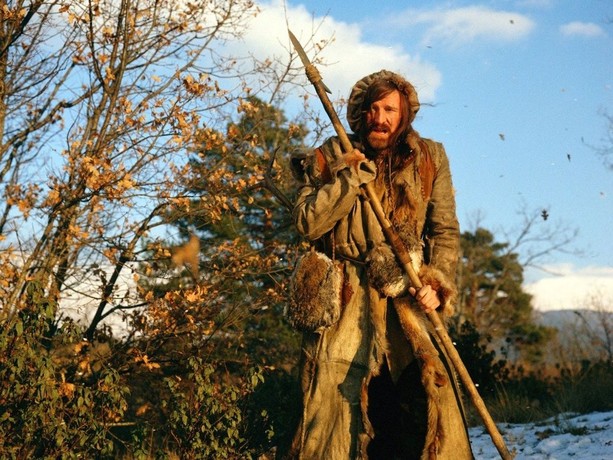
MAN IN THE WILDERNESS, a rugged adventure survival saga from 1971, brought flamboyant Richard Harris back to the 19th century to undergo physical agony and spiritual rebirth in the NorthWestern American wilderness, gain-thru-pain territory he’d explored in the previous year when he’d released four movies. The excellent The Molly Maguires and soso Cromwell, were expensive bombs. Bloomfield sank without a trace. But the 1820’s western A Man Called Horse was a big hit, and the hell-for-breakfast star answered another call of the wild in the grueling ’71 entry. He declared “This movie is Genesis to me. It’s my apocalypse. It’s a very special and very personal statement about a man struggling for personal identity, looking for God and discovering Him in the wilderness, in leaves and trees. It’s all the things that the young people, and we, are missing today.” Fair enough, but let’s assume the pines being pined for didn’t include one you looked up at while being gnawed upon by a grizzly bear.
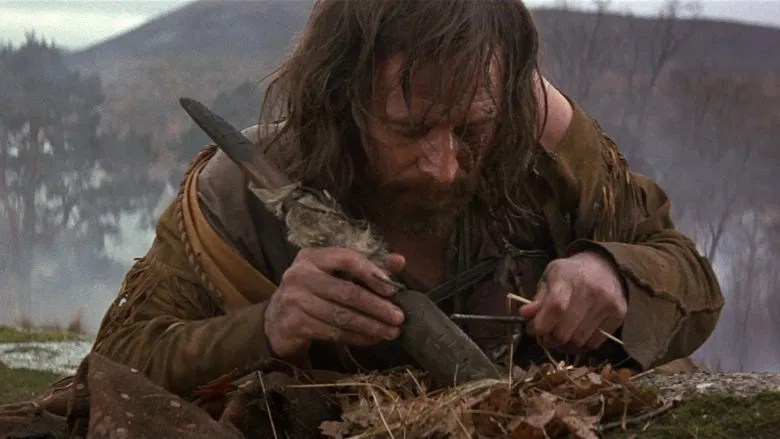
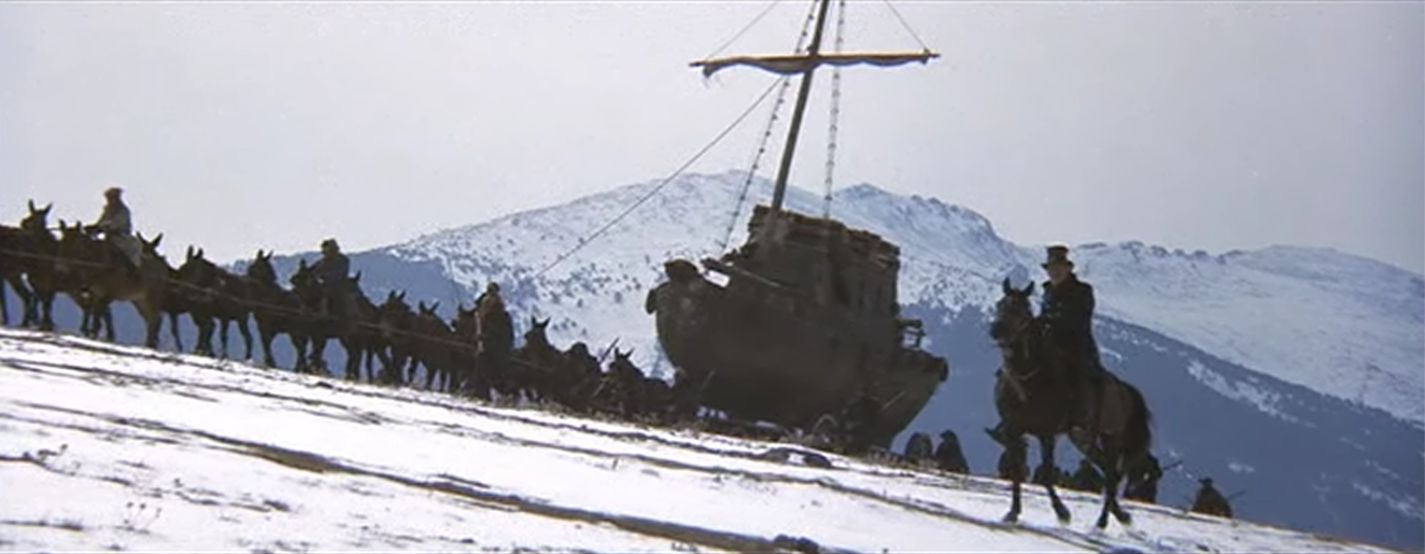
1820, out West, decades before the wagon trains and cavalry outposts. A two-year expedition to collect fur pelts is on its way East when ‘Zachary Bass’ (Harris), the most trusted and able in the party of fifteen or so, is terribly mauled in a bear attack. Ripped and broken, Bass is left for dead, while he-bull ‘Captain Henry’ (John Huston) and the rest trek on, their mule teams dragging a large cannon-outfitted keelboat on wheels, hoping to make the Missouri River before full winter sets in. But Zach not only doesn’t die, he survives, recovers and follows them, bent on vengeance over being abandoned, sheer will guiding him alone thru plight and peril.
We think not
Jack DeWitt, who’d written A Man Called Horse, based his script on the real-life endurance miracle of frontiersman Hugh Glass. Richard C. Sarafian, who’d drawn notice for Run Wild, Run Free, was selected to direct, and a mountainous province in Spain helpfully provided serviceable (if inaccurate) locations. Made for a thrifty $2,000,000, with Harris carrying clout (or counting coup) from ‘Horse‘ it scored a decisive win with an $8,200,000 gross placing #42 at the box office. *
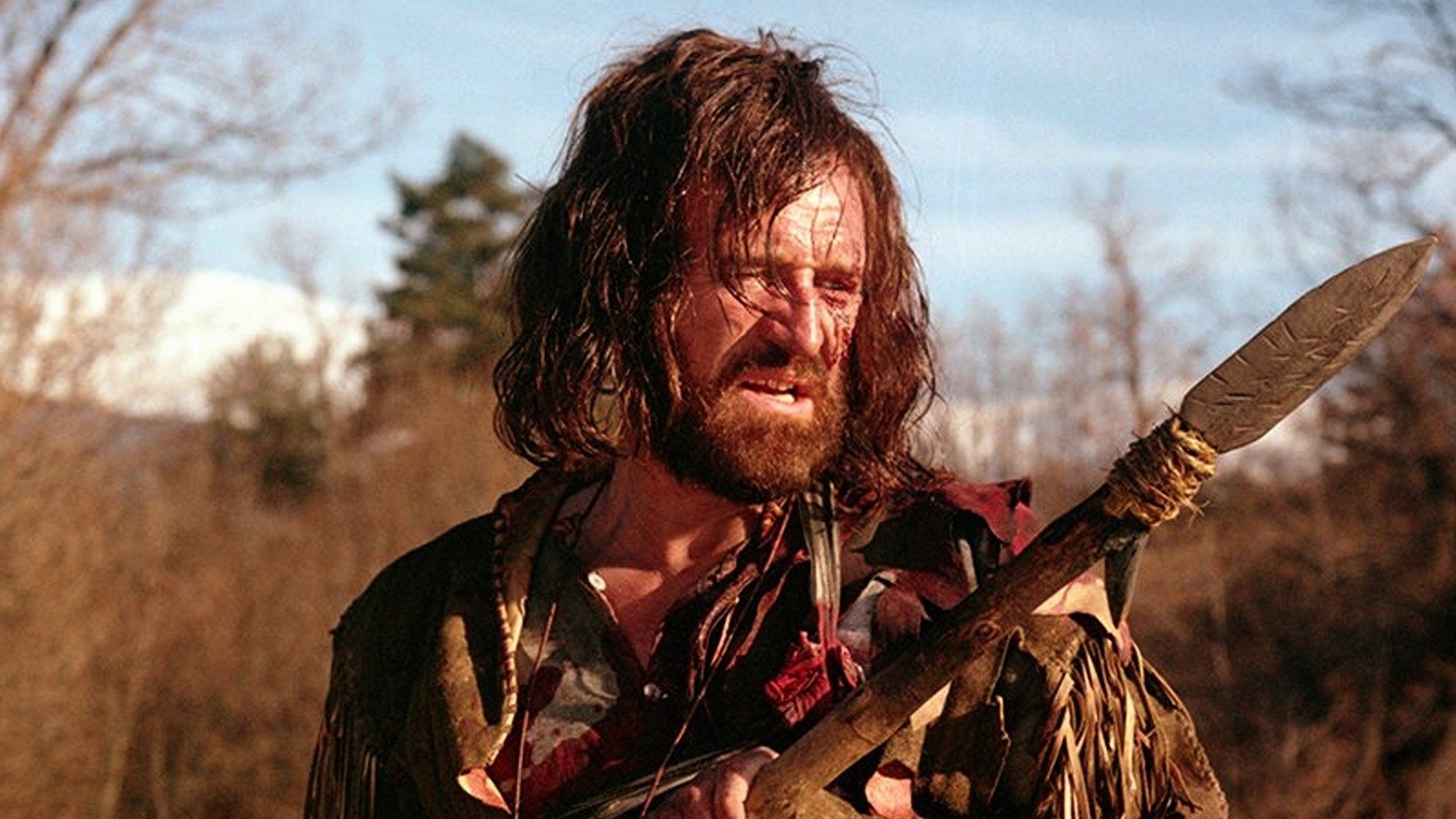
At the time, the grizzly maul was, well, grisly, the ante upped considerably from the family-friendlier claw & chomp done in 1966 for The Night Of The Grizzly. It’s since been surpassed in ferocity by the ursine assault in 2015’s epic The Revenant, which also took on the Hugh Glass story: cine-history partisans engage in the Internet version of intertribal warfare over whether the Harris or DiCaprio version is better.
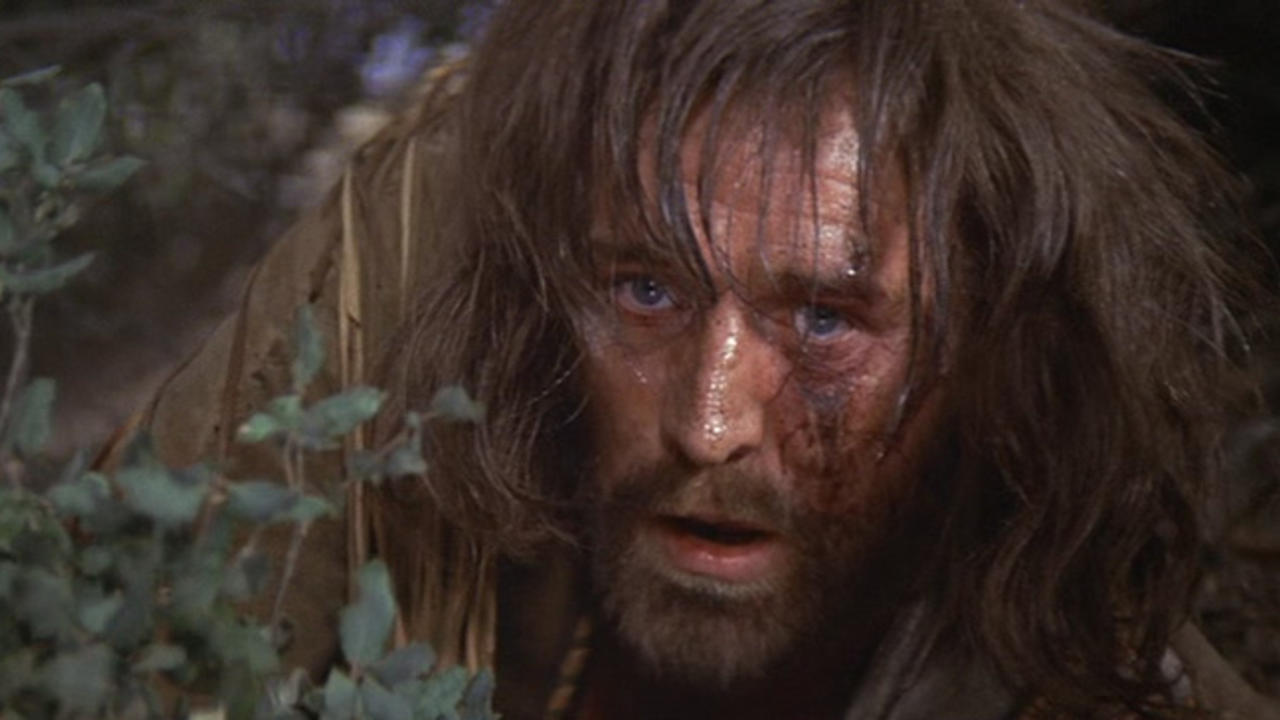
This one is marred by slow pacing, especially in Zach’s delirium flashbacks to his deceased wife, featuring Prunella Ransome with requisite 1971 hairstyle (paging Candice Bergen in Soldier Blue and scads of other young actresses of the day, looking about as frontier’y as MacArthur Park) and soft focus lensing. The business with the boat, with Huston’s character going messianic ala Ahab & Moby Dick is attention-grabbing but ridiculous; numerous reviews compare the boat drag to the (believably) crazy one in in Fitzcarraldo, which came out eleven years later. It also may recall the giant cannon (hauled across Spain, fittingly) for The Pride And The Passion back in 1957. For a movie that ostensibly is trying to grab you with ‘authenticity’ it’s rough sledding, as is the finale with a large-scale Indian attack, one of those action scenes that looks good on the surface but trips badly over the logic bar.

Henry Wilcoxon, 1905-1984
However, Harris is compelling, his bravado performance almost entirely physical, with only nine lines of dialogue. There’s an excellent turn from veteran Henry Wilcoxon, 65, playing the Arikara chief who from time to time has observed Zach’s struggles and eventually leads his warriors against Huston’s crew. Gerry Fisher’s cinematography is commendable and there’s a not bad score from Johnny Harris.
With growling and griping from Percy Herbert, Norman Rossington, Dennis Waterman, James Doohan and Ben Carruthers. 104 minutes.
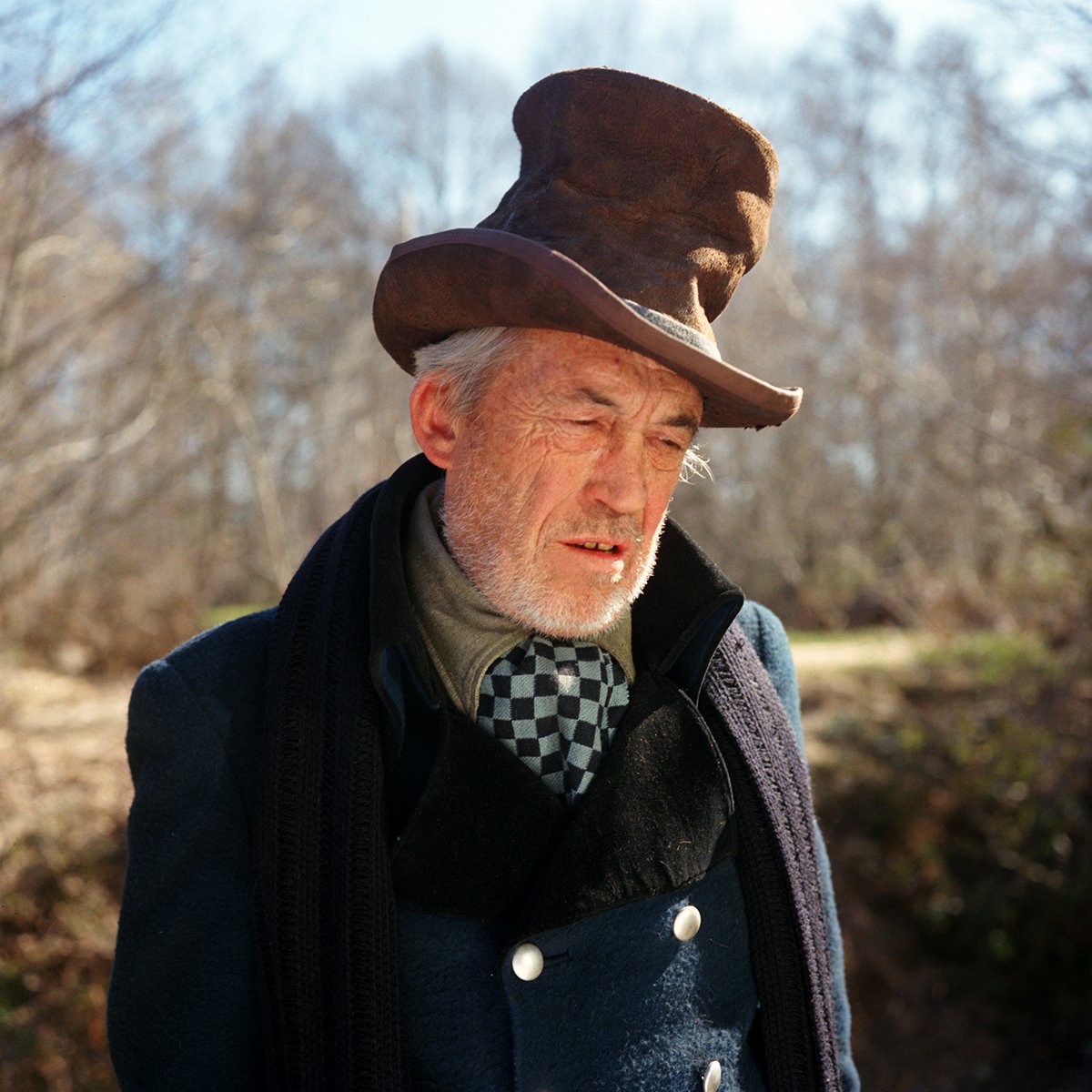
* Marching back and forth—while much of the shoot was done in Spain, some portions were accomplished in Arizona and Mexico: all rugged and scenic, but none accurately resembling the story’s geographical setting. Not the first time, not the last.
Richard C. Sarafian’s other release in 1971, coming out eight months earlier, was another existential action journey, Vanishing Point. Despite critical snubs it ultimately did strong box office and turned into a cult item. His later output was pretty lame (The Man Who Loved Cat Dancing, The Next Man, Sunburn, Eye Of The Tiger). Flawed but sufficiently rewarding, Man In The Wilderness is his best picture.
 Movies ala Mark