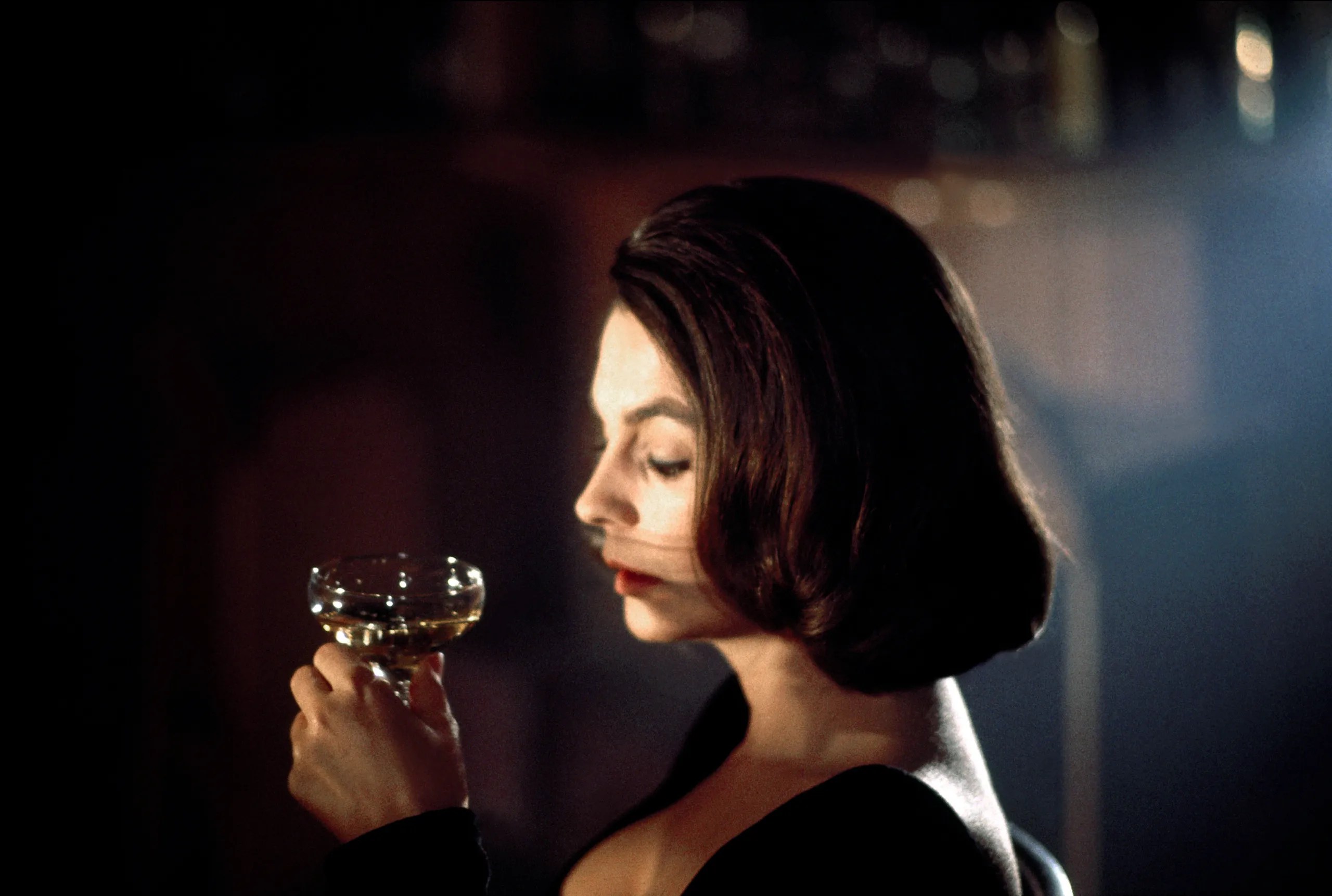
THE HAPPY ENDING, one of those misery-doesn’t-really love-company dramas that usually revolve around married women approaching or arrived at middle age. Written, produced & directed by Richard Brooks in 1969, it gave his wife, actress Jean Simmons, 40, a strong finish to the decade. After the 1960 glories of Elmer Gantry (Brooks directing) and Spartacus, apart from 1963s poignant, little-seen All The Way Home, the beautiful, class-act leading lady had been ill-served by Life At The Top (show enthusiasm for Laurence Harvey?), Mister Buddwing (awful), Divorce American Style (funny movie but a weak part) and Rough Night In Jericho (abusive). Her raw reveal in this picture brought an Oscar nomination for Best Actress. Soberly—as it were–the matrix of alienation, anomie and alcoholism also served as a public scab-rip of the couple’s own private life issues. One of number of cracking-under-the-strain dramas that flooded the era—’69 listing under a load of them—it’s not a particularly fun way to pass 112 minutes, but soul-baring Simmons and an offbeat cast command attention. *
“Start my eggs for me, darling.”
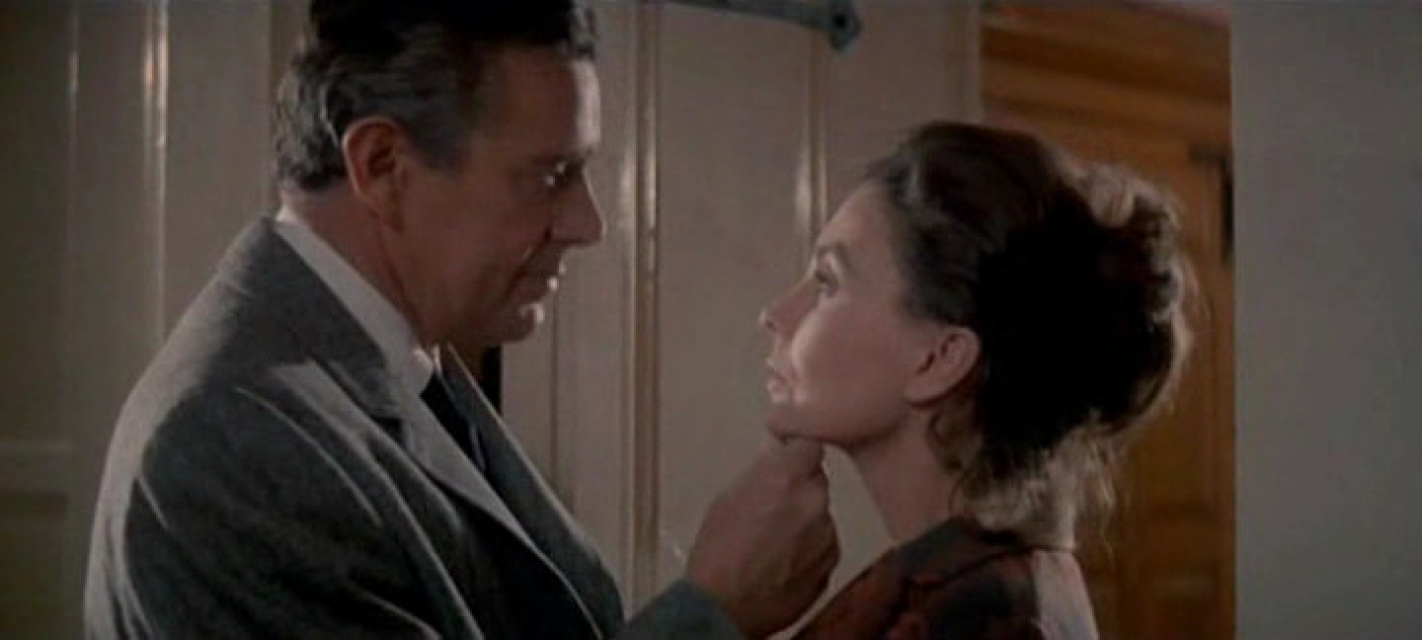
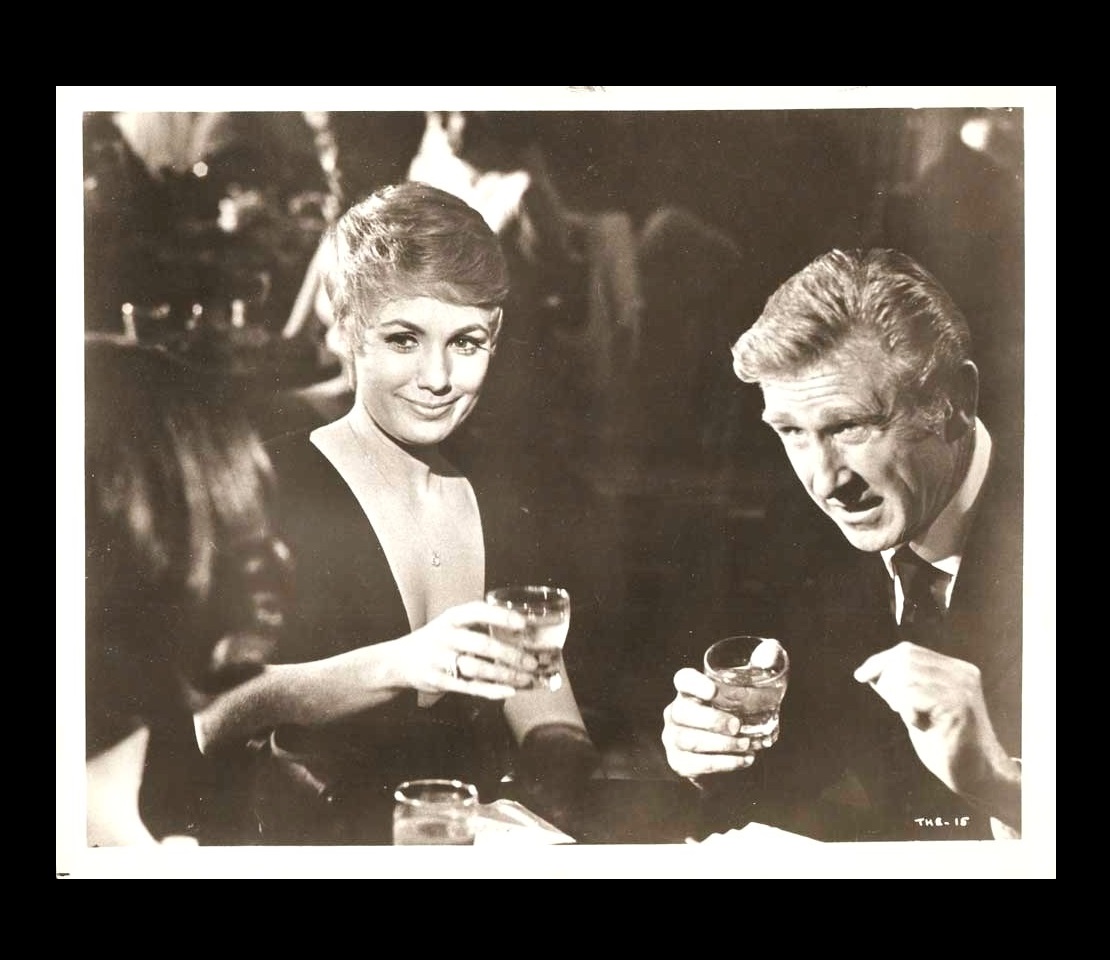
Celebrating her 16th wedding anniversary is one fake party too many for ‘Mary Wilson’ (Simmons) who bails on the evening by impulsively booking a flight to the Bahamas. While emotionally distanced husband ‘Fred’ (John Forsythe) mulls what is her latest ‘escape’, Mary, spurred by free-spirit college acquaintance ‘Flo’ (Shirley Jones), risks a fling with ‘Franco’ (Bobby Darin), a phony gigolo. Among the hangers-on back in Denver are Mary’s dismissive mother (Teresa Wright), Fred’s sleazy tax client ‘Harry’ (Dick Shawn), Harry’s viperish wife ‘Helen’ (Tina Louise) and ‘Agnes’ (Nanette Fabray), Mary’s housekeeper, a false friend. Except for not having to worry about money—if you’re bent for misery, strive for upper income status—Mrs. Wilson’s increasingly slippery deck is stacked against satisfaction.

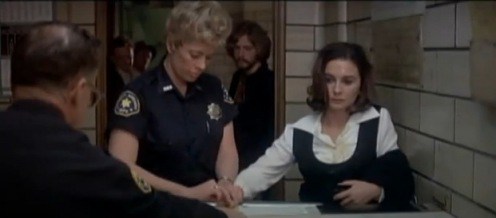
Brooks writing this time out is a bit on the obvious (and insular) side but the casting is sharp and most of the actors click. Forsythe, having done a solid for Brooks on In Cold Blood, projects practiced denial as a front for Fred’s lack of passion. Darrin’s once-burgeoning film career had faded; his cameo is an amusing perk. Away from films for a decade, Wright (you could almost mistake her for Maureen O’Sullivan) plays the brittle mother even though she was only 11 years older than Simmons. Shawn has a rare straight role, and Fabray plays against type as the unhelpful ‘helper’. Louise gets probably her best run at a well-crafted character since the days before she’d been stuck on Gilligan’s Island. Front and center, Simmons is superb, resisting any impulse to overplay or go for easy sympathy, channeling slow-burn despair and the existential panic of self-loss with subtle touches in expression and movement (her drunk scene at the police station is perfectly rendered), quietly honest work that was no doubt painful to summon and confront. Even though her husband (Brooks not the easiest taskmaster in Hollywood) wrote the screenplay with her in mind, there’s no sense of diva to the performance.
“If… if right now we were not married, if you were free, would you marry me again?”
Box office was scant, $1,800,000, 112th place. Along with Simmon’s nomination, another came for the wistful song “What Are You Doing The Rest Of Your Life”, written by Alan & Marilyn Bergman, scored by Michel Legrand. With Kathy Fields, Lloyd Bridges, Karen Steele and Erin Moran.
* Happy Endings? In 1969?—Midnight Cowboy, Easy Rider, They Shoot Horses Don’t They?, The Wild Bunch, The Arrangement, Last Summer, Castle Keep, The Damned, Medium Cool, Burn!, Che, The Comic, The Gypsy Moths....

 Movies ala Mark