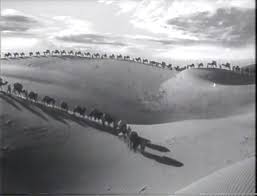
UNDER TWO FLAGS has the French Foreign Legion teaching Liberte/Egalite/Firepower to unruly Algerian tribesmen in a 1936 epic with three established stars (Ronald Colman, Claudette Colbert, Victor McLaglen), one fast-riser (Rosalind Russell), hordes of extras and big, old-fashioned battle scenes to volunteer for. Though ’39’s Beau Geste is more famous, this doozy of gallantry, romance, sacrifice and sand dune combat holds its own. Loosely adapted from a famous, best-selling 1867 novel penned by Ouida, filmed four times in the silent era, the $1,250,000 rouser grossed $4,000,000, staking out 29th place in the swarm from ’36.

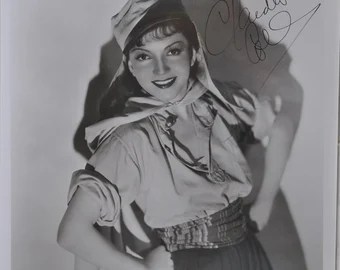
‘French’ Algeria, the 1920s. When one of the fractious tribes threatens to bring others into a full-scale revolt, the Foreign Legion mans the sand. Complicating their martial obligations are off-duty dalliances that rile the ranks. Bright, calmly courageous ‘Sgt.Victor’ (Colman, 44) is adored by saucy club owner/camp follower ‘Cigarette’ (Colbert, 32) who is the unpolished apple of the eye for blustering hardcase ‘Major Doyle’ (McLaglen, 49), whose jealousy repeatedly orders Victor in survival-dicey situations. Yet the erudite sergeant falls for refined ‘Lady Venetia Cunningham’ (Russell, 28), and vice versa. Personal differences come to a boil just when the tribesmen make their play.
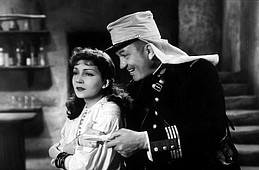
Algeria was subbed by conveniently evocative desert locales in California and Arizona. Fresh from steering another big adventure (Mutiny On The Bounty), Frank Lloyd directed, though the battle scenes were the work of expert 2nd unit whipcracker Otto Brower; they gave him a special credit for it. The suitably ‘Arabic’ score was a combo job from David Buttolph, R.H. Bassett and Cyril Mockridge.

Though the script is on the simplistic side—including some of those sudden “I love you!’s” that occur faster than you can say “Fire at will!” the personality-infused actors are all on their A-game, the charismatic leads giving committed performances, with spirited Colbert edging the others just a bit. They hold the line because there’s no action until the last act, but when it comes it’s wow-time: one of the biggest and best battle scenes of the era erupts, the hundreds of extras on horseback and foot in a swirling free-for-all that no doubt had little boys of the day reenacting it in back yards and with whatever toy soldiers they could scare up. The furious melees get an extra boost from 20th’s crack sound crew, overlooked when the Oscars rolled around.

Originally it ran 112 minutes, existing versions go 98 and 95. In support are Gregory Ratoff (decipher time), Nigel Bruce (being hearty), C. Henry Gordon, John Carradine (cut in the shorter version), Herbert Mundin, J. Edward Bromberg and Onslow Stevens. Extra-keen buffs will note that also toiling in the mob are Jack Pennick, Marc Lawrence, Tor Johnson and athlete Jim Thorpe. The screenplay was handled by W.P. Lipscomb (A Tale Of Two Cities, The Garden Of Allah, Les Miserables, A Town Like Alice) and Walter Ferris (Lloyd’s of London, Heidi).
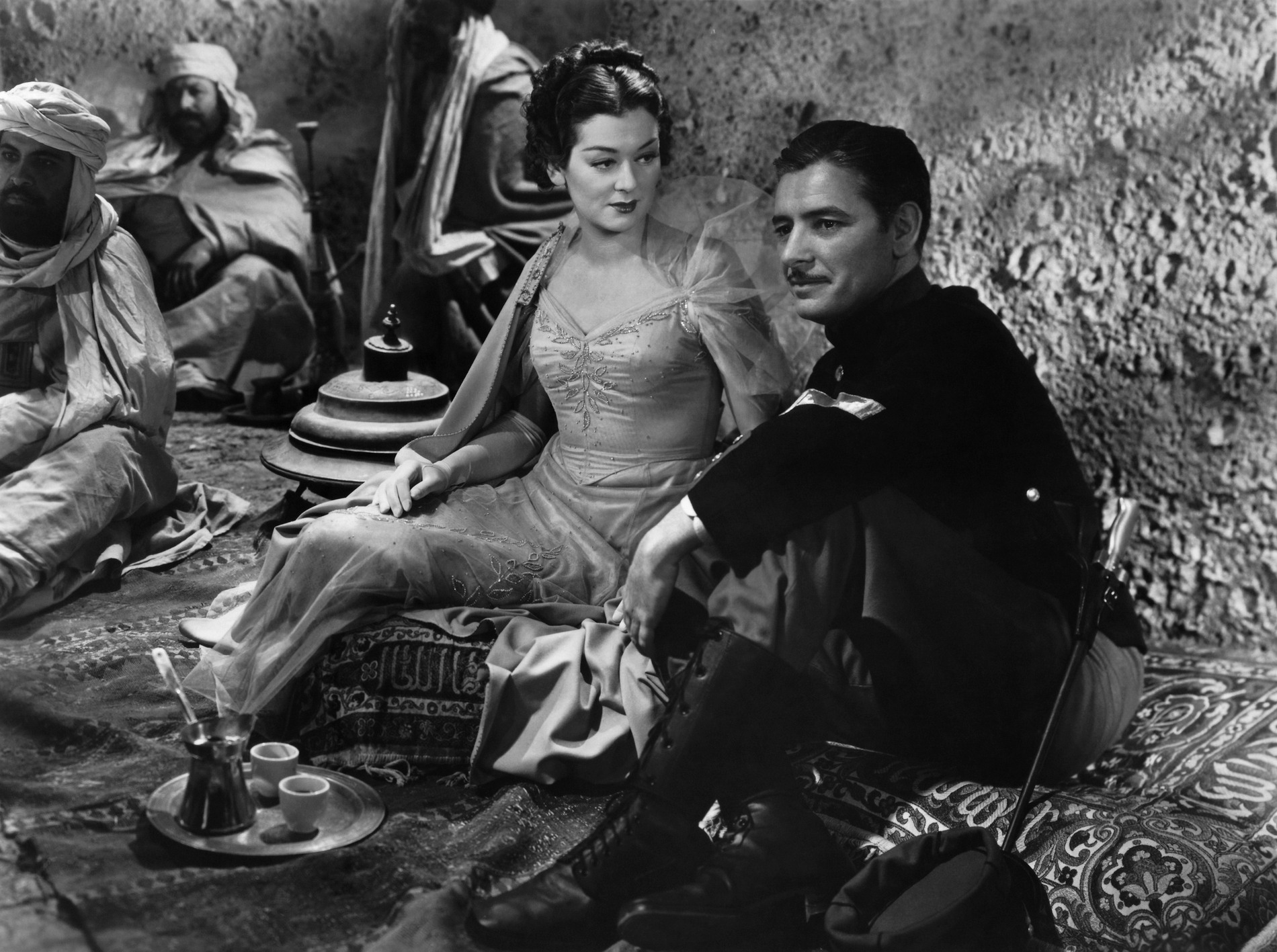
* Too close for comfort—Colman was nearly taken out by a knife: extras jostled pro thrower Steve Clemente and his toss hit the star in the chest (with the handle). Colman was Legion-vetted, having starred in the 1926 Beau Geste, a huge hit (#4) in the late silent era. He didn’t need a wound, having logged one in World War One that left him with a lifelong limp. McLaglen barks orders with confidence since during WW1 he’d served as Assistant Provost Marshal in Mesopotamia (Iraq).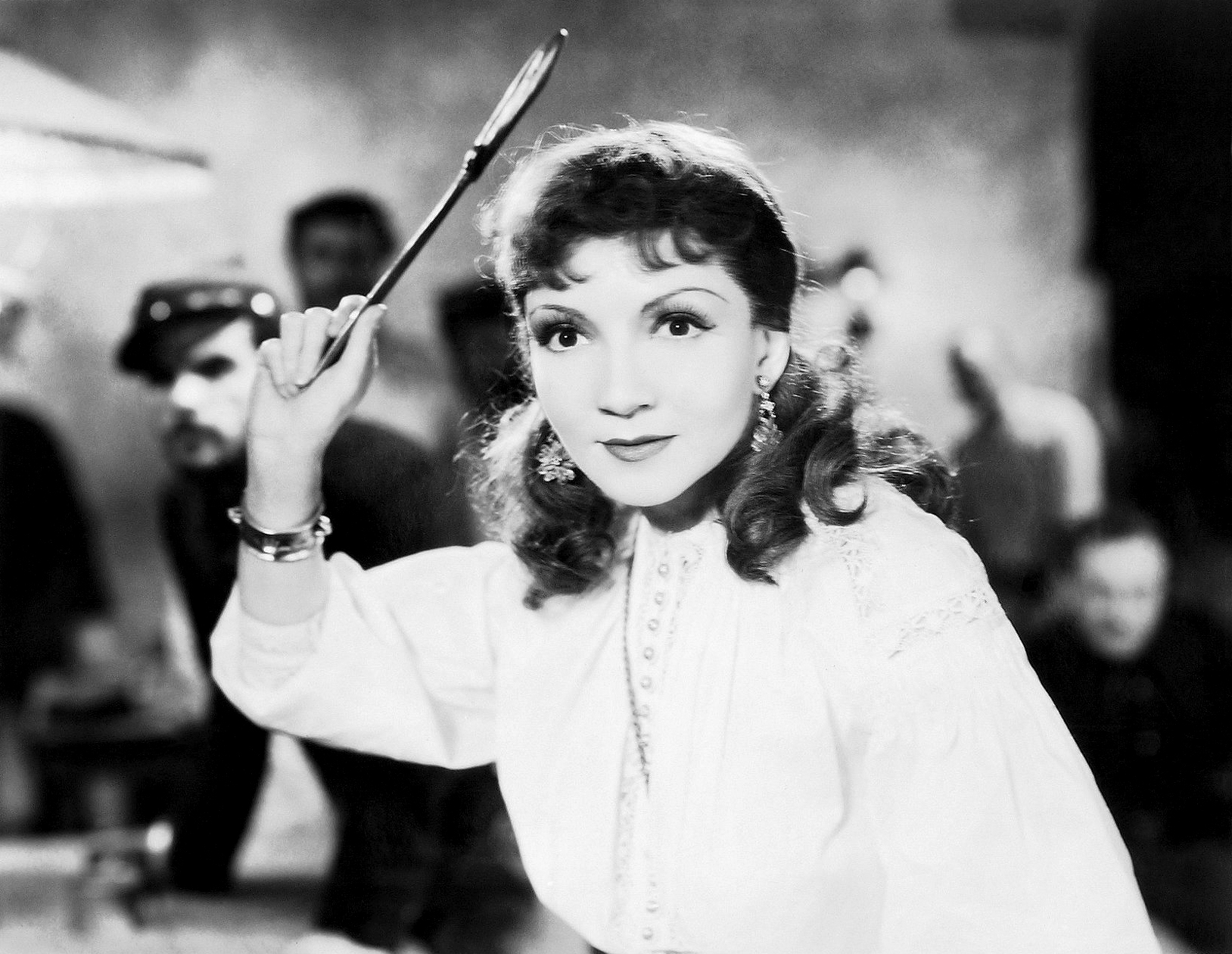

 Movies ala Mark