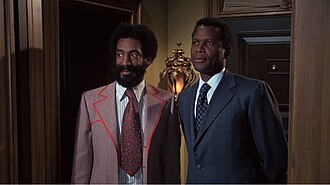
UPTOWN SATURDAY NIGHT perked audiences with a good time in 1974, a bros-mance crime comedy that gave choice farce material to a great cast, pleased critics, returned its cost seven times over and lifted star & director Sidney Poitier out of a five-year slump. His third shot as a director was not only the 27th most popular show of the year but made for a welcome break from the crew of crass, violent and mostly dumb blaxploitation grinds that in the guise of ‘taking it to The Man’ offered a new set of negative stereotypes about African-Americans. *
“That was the hardest-hittin’, fastest, baddest little black man of colored descent, I have ever seen in my life.”
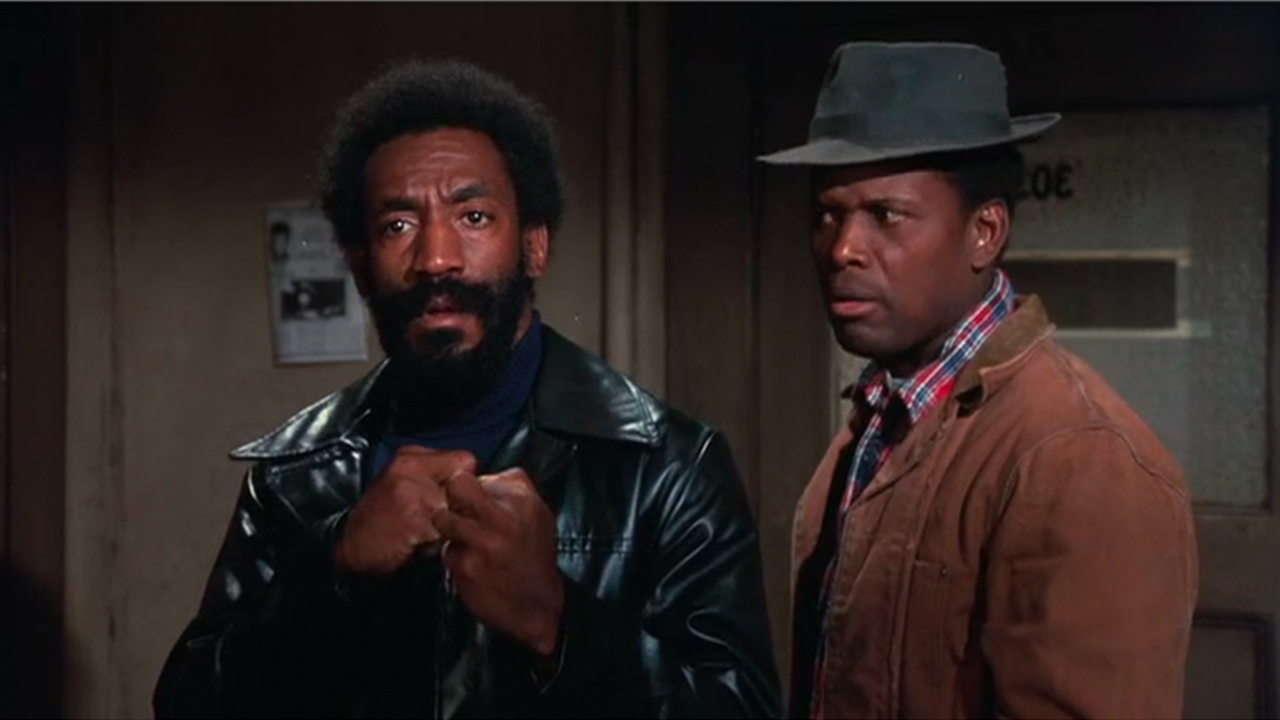
Chicago. Mill worker ‘Steve Jackson’ (Poitier) and his best friend, taxi driver ‘Wardell Franklin’ (Bill Cosby) are both happily married, but more rambunctious Wardell drinks Steve into going on a jaunt to ‘Madame Zenobia’s’, notorious nightclub for the well-heeled, where ‘anything goes’. During their visit, which includes Wardell having a 20-grand hot streak with dice, the place is gang-robbed and everyone in it stripped and relieved of money and jewelry. To his horror, Steve realizes that in his swiped wallet is a winning lottery ticket. The guys undertake a search thru the underworld to find the thieves and get that ticket back. Complications ensue. **
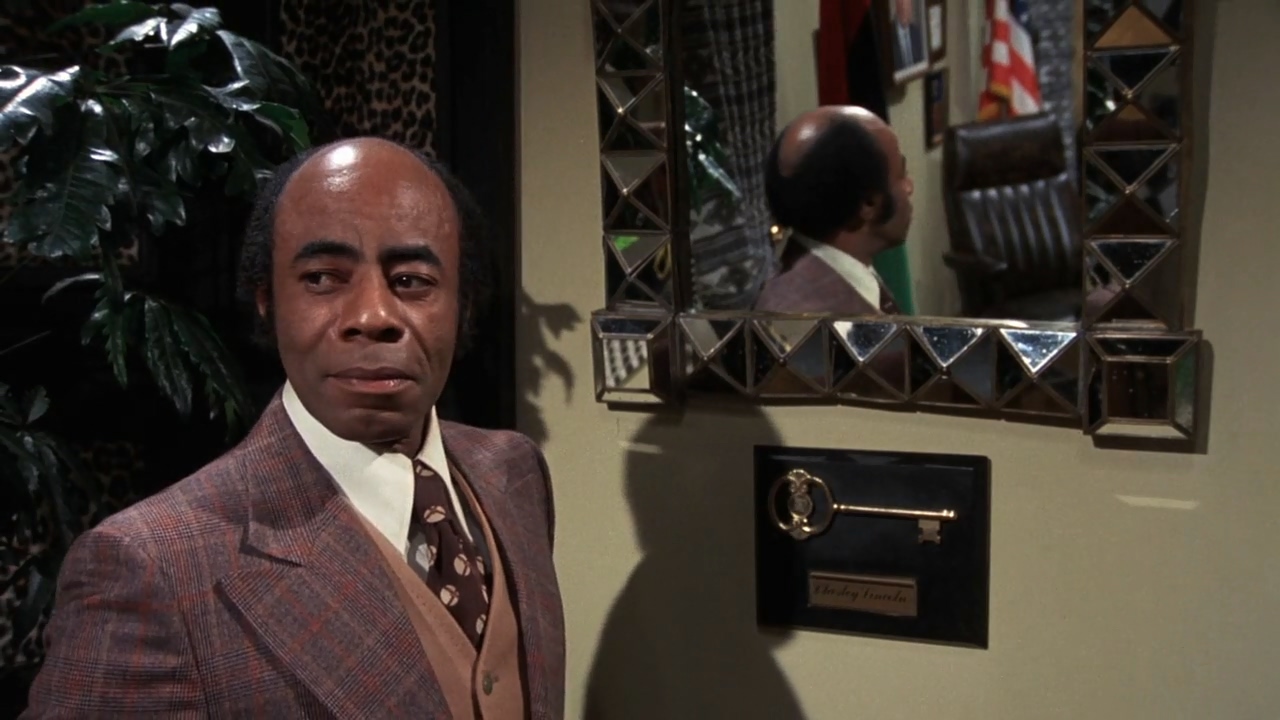
Poitier and Cosby, 36, make a swell Mutt & Jeff team, and the supporting lineup allows much of the top Black talent of the time to have a blast. Among them are Flip Wilson (strutting Flip-like as ‘The Reverend’), Roscoe Lee Browne (as a phony-baloney Congressman) and Paula Kelly (the pol’s more-than-carefree wife, ‘Leggy Peggy’). Wilson, 40, did this gig during the last of his four-year TV run. There’s also Harold Nicholas (52, of the immortal Nicholas Brothers) as ‘Little Seymour’.
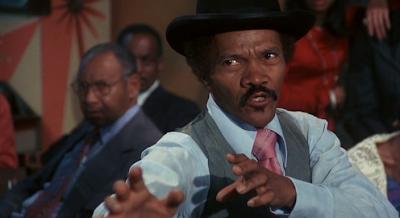
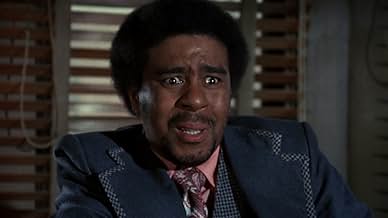
Richard Pryor, 33, wallops a scene as charlatan private detective ‘Sharp Eye Washington’. That same year he helped write Blazing Saddles and had a huge comedy album hit “That Nigger’s Crazy”. Nerve-rattled Sharp Eye lets us know “It’s a lonely, dangerous life being a private detective. All you do is risk a little money. I solve the cases, and people are after me! Look at my eye, my right eye. See how bloodshot it is? Know how it got that way? From sleeping with one eye open, baby. Life ain’t easy. Always on the move, people after me with guns, looking under the hood of your car for bombs, peeking out windows, peering down hallways. ln the movies, right? The movies always got some super nigger killing some white boy in the Mafia – beating up the crooked police. That’s not true and it don’t help me either. And women. They all got women. Black detective in the movies always got a woman. Watch yourself. Well, I ain’t had a woman in how long? Months! Months. I might as well be a monk.”
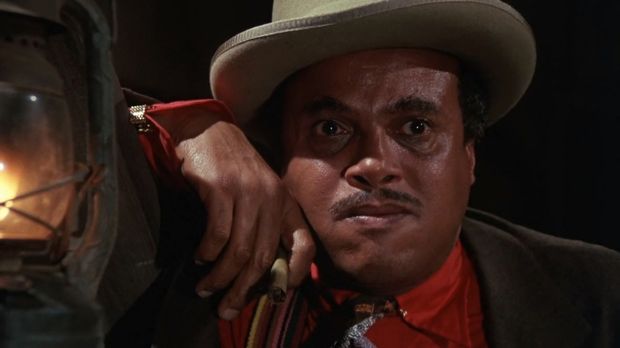
The best, most surprising turn comes from Harry Belafonte, 46, as mobster ‘Geechie Dan’. He’s unrecognizable in makeup and voice, doing a brilliant send-up of Brando’s ‘Godfather’, beautifully playing it simultaneously humorous and straight. It’s a revelation, good enough to have been up for a Supporting Actor Oscar—alas, they missed him. ***
Written by Richard Wesley. With a righteous score from Tony Scott and Morgan Ames, bearing a title number belted by Dobie Gray. Produced for around $3,000,000, answered by a gross of $22,400,000. Poitier followed up a year later with Cosby in Let’s Do It Again and two years after that in A Piece Of The Action.
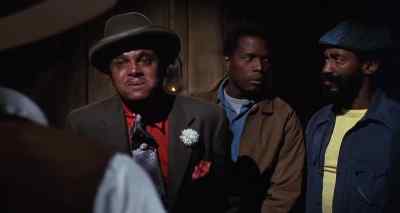
“I hear your breath’s so bad you put the three leading toothpastes out of business.”
104 minutes, with Calvin Lockhart (hood ‘Silky Slim’), Rosalind Cash (Steve’s wife ‘Sarah’, loyal and confused),Ketty Lester (Wardell’s long-suffering spouse ‘Irma’), Lee Chamberlin (suggestive ‘Madame Zenobia’), Johnny Sekka, Don Marshall, George Reynolds (‘Big Percy’) and Ray Parker Jr.
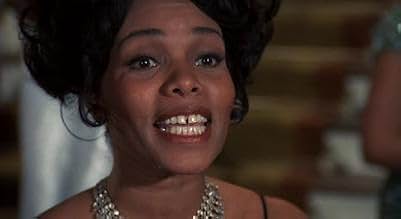
Lee Chamberlin, 1938-2014
* After a 17-year climb to the top that landed with a 1967 trifecta of In The Heat Of The Night, Guess Who’s Coming To Dinner and To Sir, With Love, followed by 1968’s winning For Love Of Ivy, Poitier abruptly became old news: six pictures in a row (two he directed) under-performed commercially and critically—The Lost Man, They Call Me Mr. Tibbs!, Brother John, The Organization, Buck And The Preacher and A Warm December. Only the revisionist western Buck and The Preacher won any hindsight recognition.
** Be-Cos—in the soured twilight of the eventual extensive predator reveals of Cosby, re-watching him now doing excellent work back then (he was a good actor) is challenging to a degree, having to separate the disgust over a wrecked image from fair appreciation of his talent (paging Woody, Roman, etc.) Oldsters remember him from his classic, groundbreaking comedy albums of the 60s and the great 1965-68 TV series I Spy. Others were fans of his 1984-92 series (we’ll take a miss on that fakeout). He’s very funny in this movie.
*** International treasure Harry Belafonte (1927-2023) had limited screen credits, 14 parts spread over 55 years. He was only fair in his biggest hit Island In The Sun, much better in the scorching heist drama Odds Against Tomorrow, and won applause for Buck And The Preacher and Kansas City. His last feature role was a cameo finale in Black KkKlansman and was one of the best things in that much overrated film. He tears it up as comedic & creepy in Uptown Saturday Night. We’d take Fred Astaire’s nostalgia nomination for The Towering Inferno and Lee Strasberg’s ‘pay homage’ gimme from The Godfather Part II off the roster and put Belafonte on there, along with Harvey Korman from Blazing Saddles. Were we consulted? I did have a phone.
 Movies ala Mark