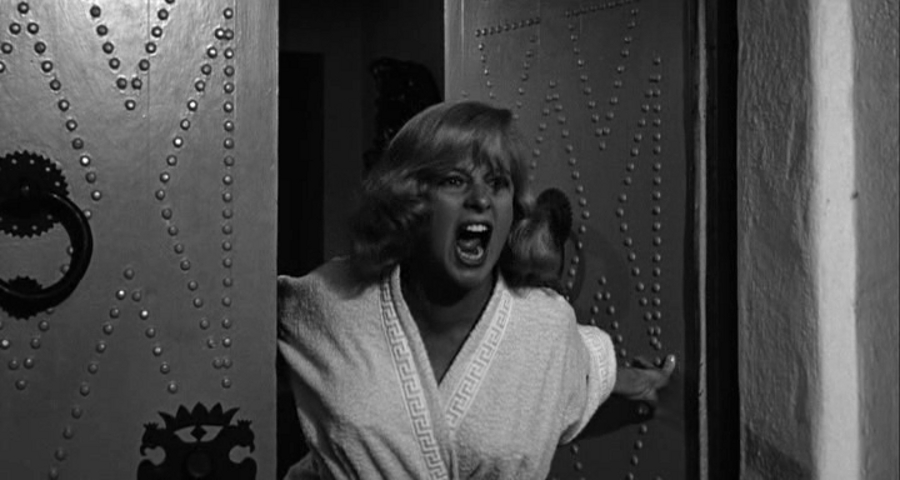
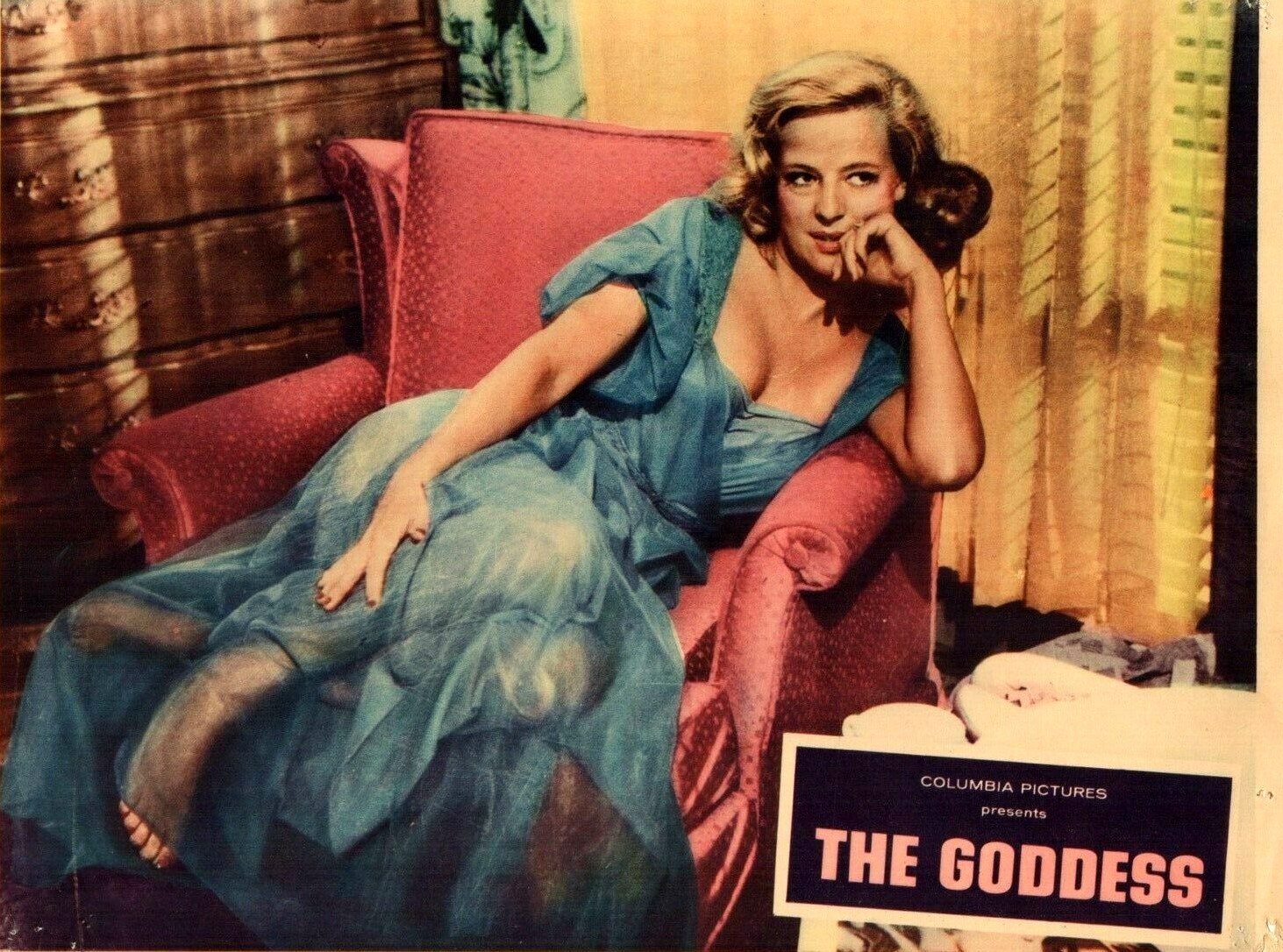
THE GODDESS, according to the man who wrote it, Paddy Chayefsky, was not based on Marilyn Monroe. Ignoring his denials hasn’t kept decades of reviewers and casual movie fans (those who’ve actually seen it) from believing its life victimized rural waif turned idolized star—‘Emily Ann Faulkner’ becoming ‘Rita Shawn’—isn’t really a disguised MM, or the second most popular guess, Ava Gardner. Both iconic sex symbols were alive (and if not kicking, than certainly writhing) when the 1958 fictive bio-drama was released; the insecurity crushed character could stand for any number of show biz casualties. Critics clapped, but the box office bombed, an unfamiliar stage actress in a depressing story. Chayefsky’s observant if overloaded screenplay drew an Oscar nomination. Who should have been on the nominee list was Kim Stanley, a Broadway & live TV success in her feature debut. Longtime studio veteran John Cromwell directed. *
“She’s going to attract a lot of attention. She’s got what I call the quality of availability.”
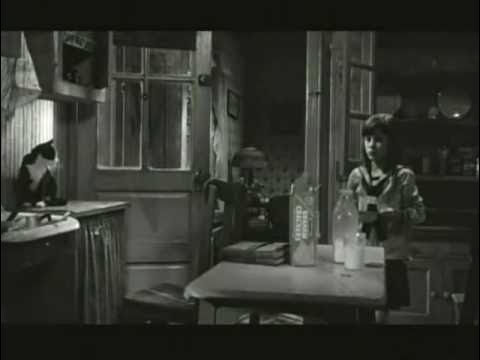
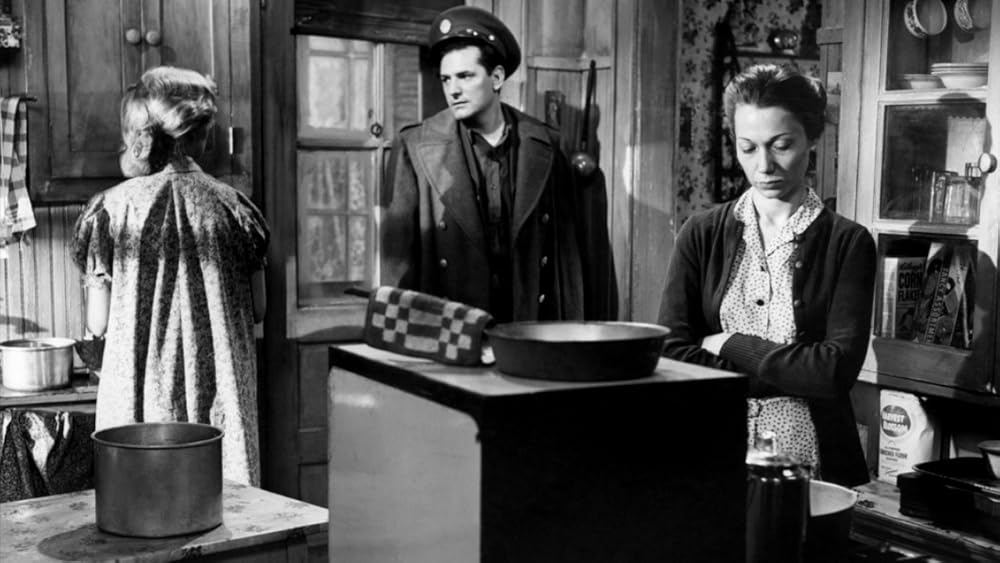
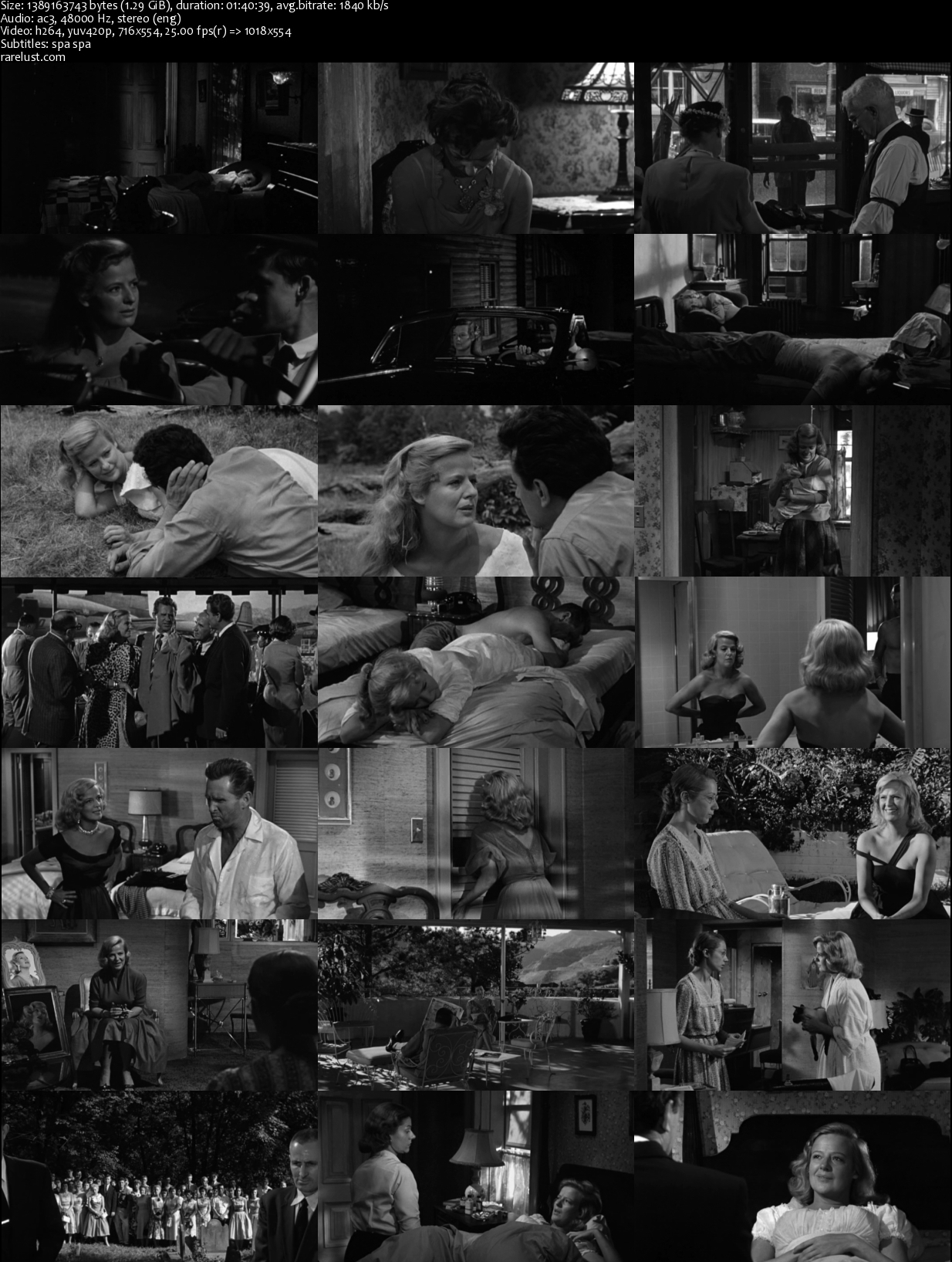
Opening with a Coplandesque Americana flourish from composer Virgil Thomson, the ascent & descent tragedy is split into three sections, ‘Portrait of a Girl,’ ‘Portrait of a Young Woman,’ and ‘Portrait of a Goddess’. The first begins in small-town Missouri, with nerve-splintered young mother ‘Laureen Faulkner’ (Betty Lou Holland) despairing of her youthful vitality being sapped into parental duty, maternal instinct baldly absent. The 44-minute segment runs from 1930 to 1947, and has Laureen’s ignored and isolated daughter ‘Emily Ann’ affectingly played by 11-year-old Patty Duke, then jumping ahead to the WW2 era and high school when the role is taken over by Kim Stanley. Steven Hill (billed Steve), 36, quivers with anxiety as ‘John Tower’, a soldier (and neurotic son of a movie star) who marries, impregnates and abandons the emotionally raw and needy teenager. Segue to the next segment, Emily has followed her acting dream to Hollywood. 25 minutes cover 1947 to 1952, Emily’s fraying 2nd marriage to self-pitying ex-boxer ‘Dutch Seymour’ (Lloyd Bridges, 45) and her sleep-up leap to stardom. Emily is now ‘Rita Shawn’. The 36-minute final section concludes in 1957, with Rita’s fame accompanied by disintegration thru booze, pills and emotional/mental collapse. A brief re-connection with her mother involves a passage of rhapsodic religious conversion—which doesn’t last. For Emily/Rita nothing works but work itself.
Raw and unflinching acting—mostly terrific, some overwrought—is the reason to watch, as the gaps in the narrative work against the complete success of the piece, marked by indictment to spare, bravura flashes of truth dueling with an over-reliance on stilted speechiness. Though Cromwell had a fine editor in Carl Lerner (12 Angry Men, Requiem For A Heavyweight, Klute) Chayefsky insisted on overseeing it and Cromwell eventually walked off in disgust. At 105 minutes, half the original length was lost; Stanley said Chayefsky cut out all the humor; she was quite unhappy with the experience. Her polite (in print) quote: “Paddy directed every movie he wrote. He was the power.” A case of irresistible force meets an immovable object. An amazing actress, yes, but like the venerated screenwriter not exactly the easiest personality to please or work with.
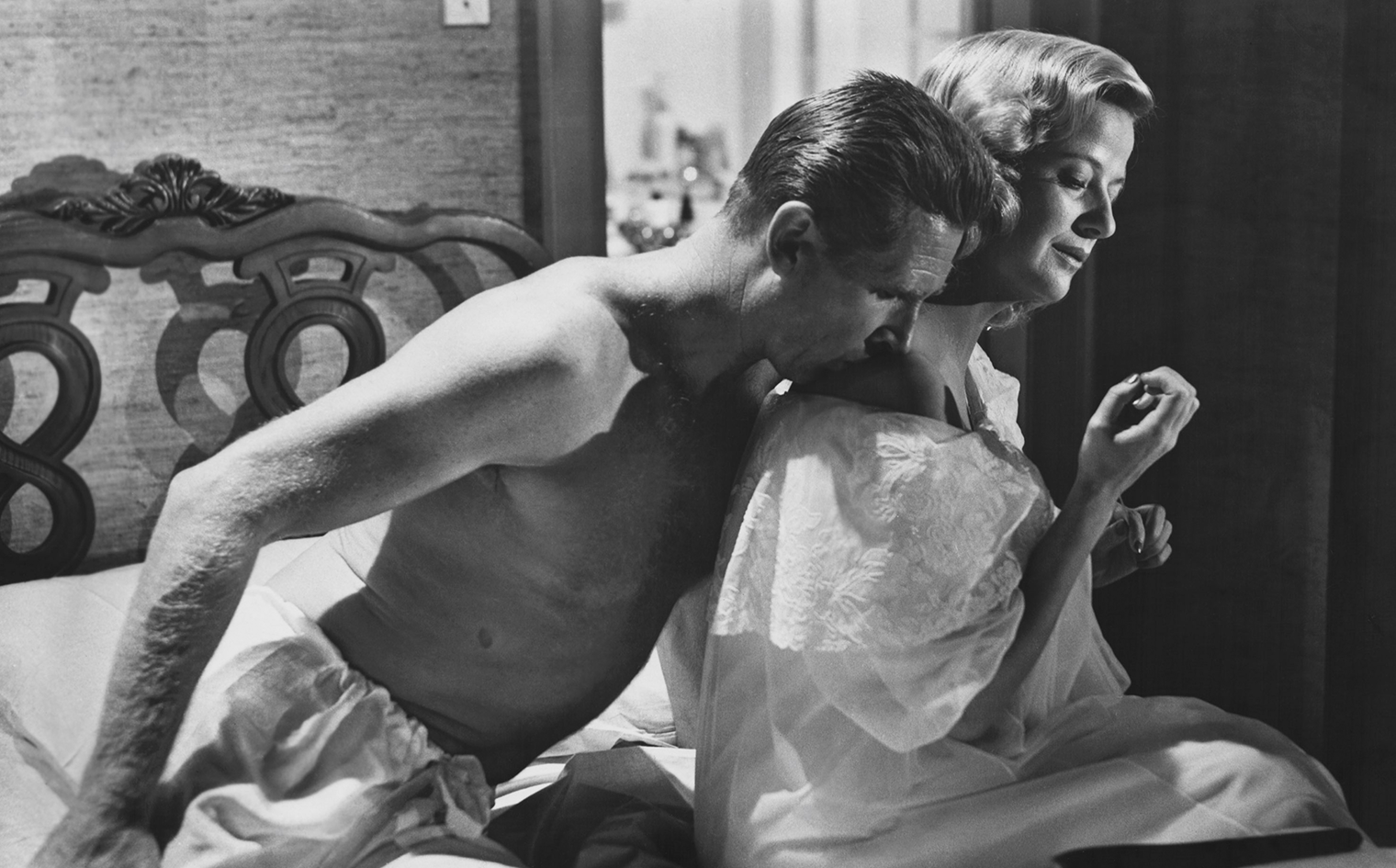
Hill, three decades away from Law & Order, is quietly impressive, particularly in the conclusion when the changed John Tower tries to bring Rita’s discarded daughter back into her life. Bridges soothes, broods and seethes as the once-hopeful-turned-forlorn Dutch. Holland, 32 in her feature debut, goes over-the-top as the bitter young mother, but nails the older, ‘born again’ zealot whose ‘salvation’ seems more like an embrace of failure and escape from responsibility. Their contributions are certainly laudable, but they pale next to Stanley’s, which saves the erratic movie from its writing and editing transgressions: the Oscar nom to Chayefsky seems reflexive after the excellence of Marty and The Bachelor Party––his brilliant boiling best was lurking down the road in The Hospital and Network.
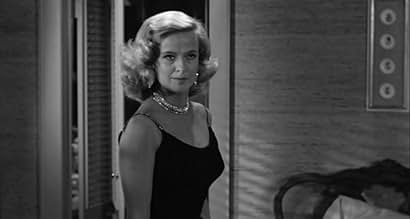
Stanley is ‘real’ and ‘open’ to a near-demonic level, even when facing twin handicaps which would torpedo most performers egos or confidence. First off, there is a face-value leap because in the early segment she’s 32, playing a teenager, and later her rather ‘plain’ looks (not being mean, just frank) don’t jive with the accepted idea of a Movie Goddess, let alone a ravishing sexpot. Yet her acting manages to be both big and minute simultaneously, every emotional cue from the situations and dialogue are answered with an immediacy and passion that is startling in its honesty, bracing in its energy, a force of nature rather than technique (similar to Anna Magnani); where Hayward or Liz, Eleanor Parker, Anne Baxter or Geraldine Page would ‘act up’ an entertaining melodramatic storm, this interior cyclone feels genuine in its elemental inspiration, unsparing in its wake.
The budget is cited as $550,000, with a gross of only $900,000, lost in 1958 at 143rd place. With Burt Brinckerhoff (intense as a nervous teenage suitor), Gerald Hiken, Elizabeth Wilson, Bert Freed, Joan Copeland, Joyce Van Patten, Joanne Linville, Werner Klemperer and Louise Beavers.
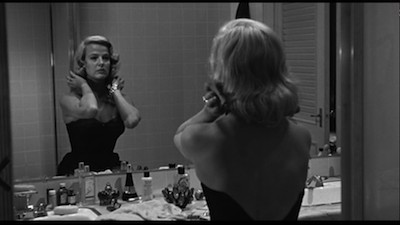
* The trophy winner that year was an industry vet, Susan Hayward, pulling out all stops as another society & self-destroyed character in I Want To Live! The flamboyant (and tirelessly self-promoting) Hayward likely got the vote because she’d been passed over for the better I’ll Cry Tomorrow and because Hollylibs social consciousness was tickled by the anti-capital punishment stance of I Want To Live! Stanley’s tormented striver eats Hayward’s slutty murderess for lunch.
The Goddess was the first of just four film appearances Stanley made, followed by 1964’s Seance On A Wet Afternoon–Oscar nomination; Frances in 1982–Oscar nomination; The Right Stuff in 1983. Brilliant in every one.
Click to enlarge for clarity
 Movies ala Mark