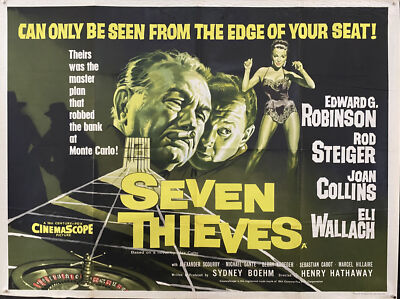
SEVEN THIEVES, a heist flick from 1960, drew positive reviews and did okay business, a $6,300,000 gross (47th place) covering the $1,650,000 tab. A neat cast, written & directed by industry pros, set in snazzy Monte Carlo, it was lapped in the loot-scooping by Oceans Eleven, a big hit about a tight-knit crew taking casinos to the bank over in Las Vegas. That more famous caper fest had the ‘Rat Pack’ and color in its corner, but today ‘Eleven’ comes over smug and stale while relegated ‘Seven‘ feels smarter, is 25 minutes shorter and isn’t lessened by being shot in clean black & white. Plus, thanks to the comeliest culprit, Joan Collins, it’s also sexier. *
“Paul, I have to accomplish something before I die. I want to make the world gasp a little.”
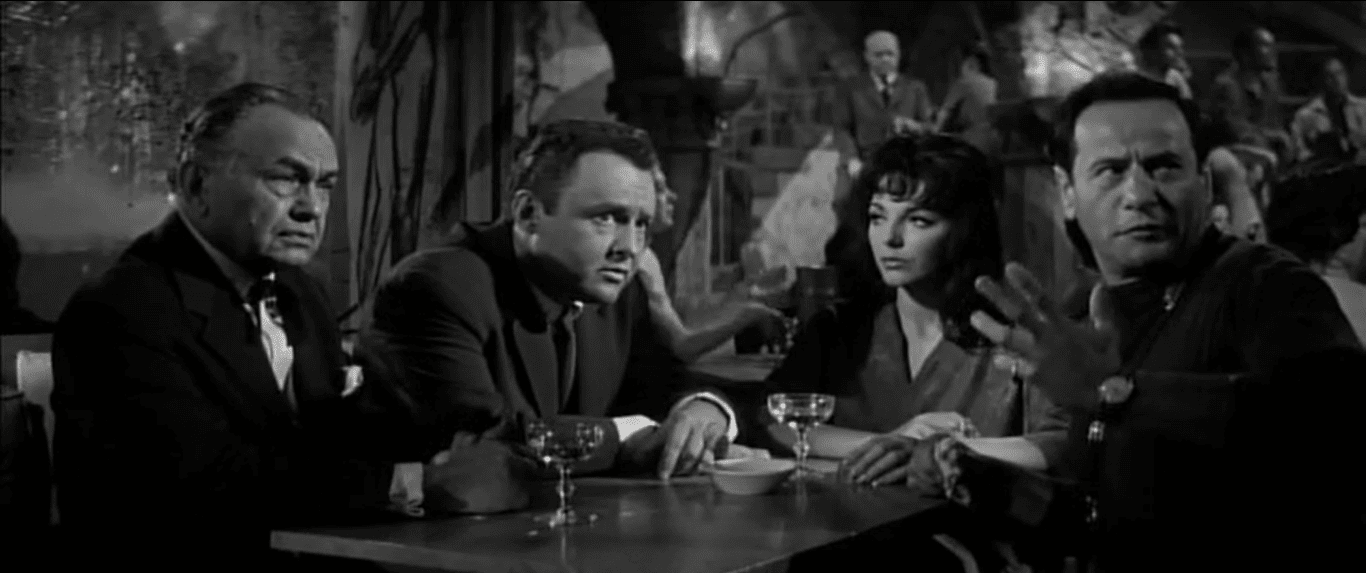
‘Theo Wilkins’ (Edward G. Robinson) is an American, a professor and an ex-pat who summons protégé/jewel thief ‘Paul Mason’ (Rod Steiger) to the south of France to join him in pulling off one last, grand heist—purloining $4,000,000 in francs—over €49,000,000 in ’26—from a casino in Monte Carlo. Since the loot is an underground vault the plan is extra complex; team assistance is required. Among those in on the hit are ‘Melanie’ (Collins), an exotic dancer; her musician pal ‘Pancho’ (Eli Wallach); and ‘Louis’ (Michael Dante), a safecracker.
“Now, an international axiom. A man who says “whiskey” is an Englishman. A man who says “double whiskey” is an Irishman. But a man who asks, “Have you any ice?” is an American.”
Returning to the suspense zone he’d served so well in the 40s & 50s, hard boiler Henry Hathaway directed with his usual unobtrusive precision, whipping cast & crew into shape with an eye to most effective narrative flow rather than calling attention to his ‘style’ so that critics could trot out their favorite French words.**
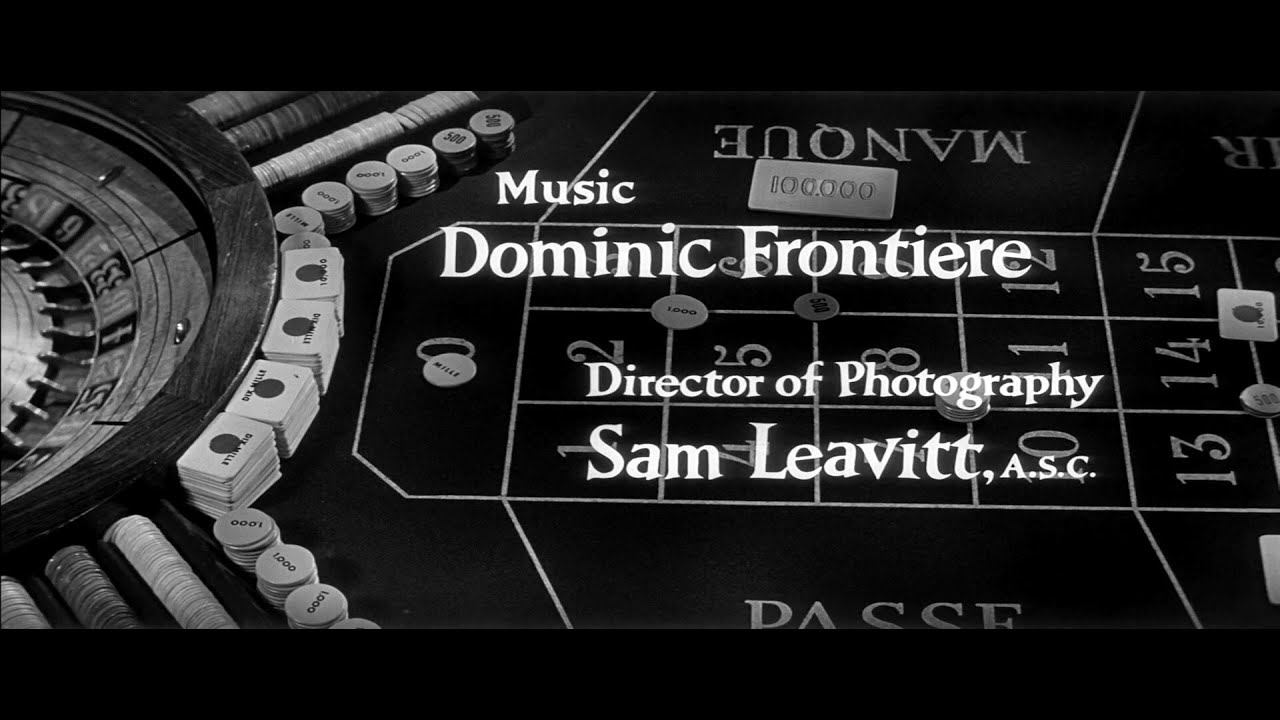
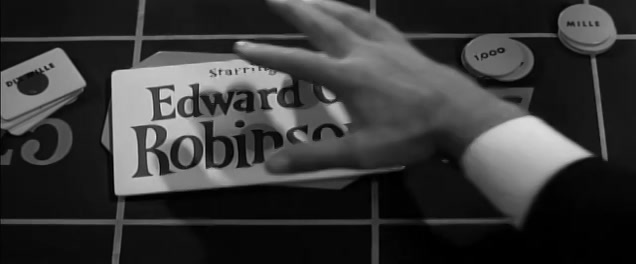
Sydney Boehm (also producing) had ample crime cred—The Big Heat, Black Tuesday, Violent Saturday); he adapted from “The Lions at the Kill”, a 224-page novel by Max Catto, whose books had a habit of turning into entertaining films like Trapeze, The Devil At 4 O’Clock and Mister Moses. As a cameraman Sam Leavitt could finesse black & white with the best of ’em (The Defiant Ones, Pork Chop Hill, Anatomy Of A Murder, Cape Fear); backgrounds shot on the French Riviera and in Monte Carlo, the rest matched to suit back in Hollywood. Things spin into gear with a swank title sequence backed by an energy burst from composer Dominic Frontiere in his first feature assignment: he’d become best known for the dynamic themes on TVs The Outer Limits, 12 O’Clock High and The Rat Patrol.
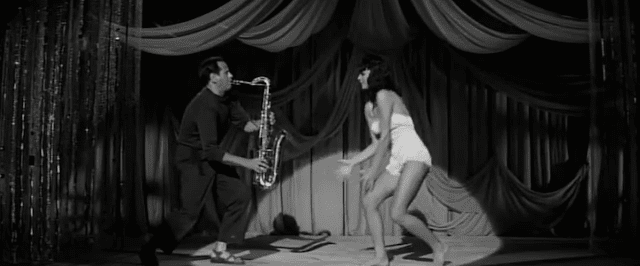
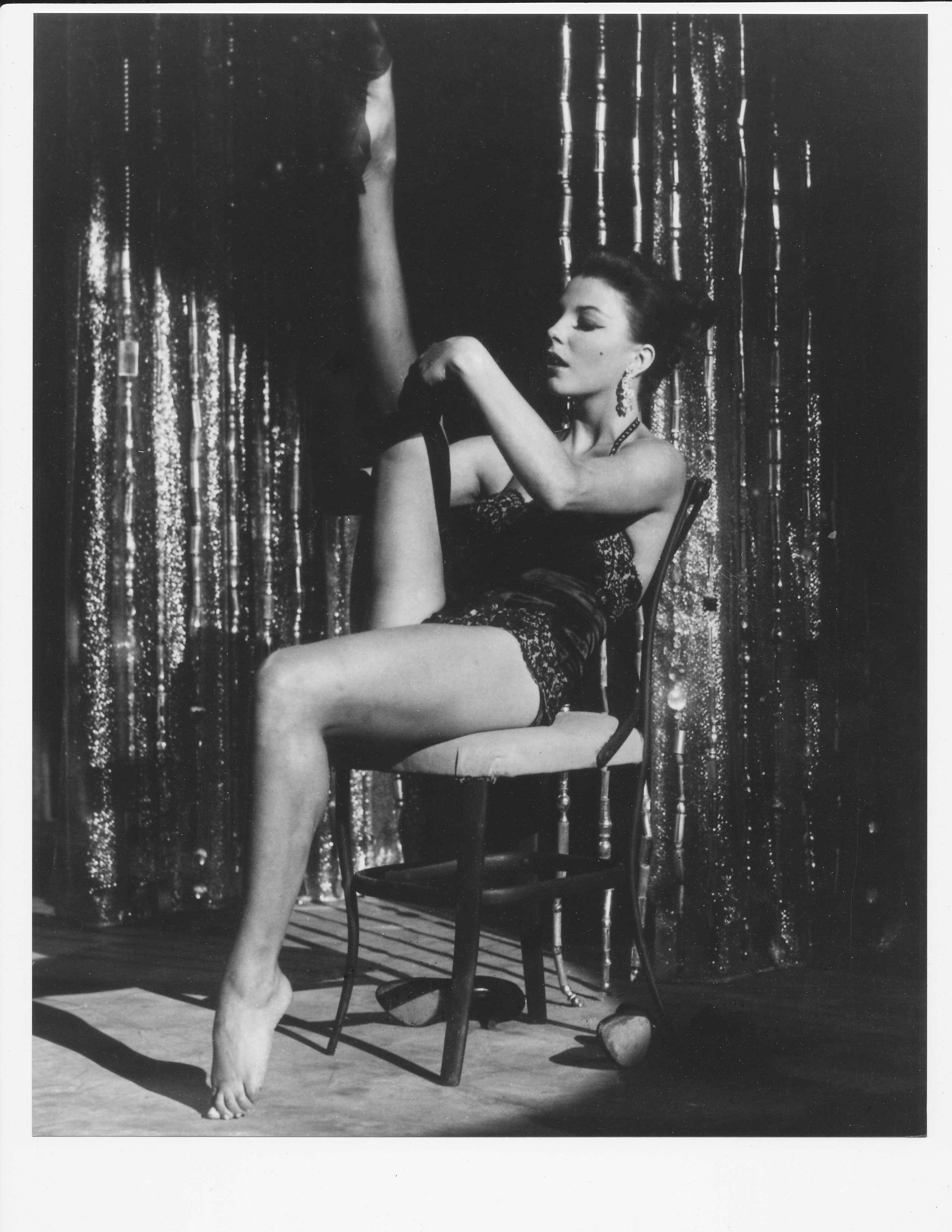
Robinson, 65, was now in his ‘sage stage’, begun the year before with A Hole In The Head and that would go until his 1973 swan song in Soylent Green. Steiger, 34, even though he’s playing a criminal, gets a reasonably sympathetic part for a change after a run of coarse baddies (he’d just been Al Capone). Wallach had a much showier role that year in The Magnificent Seven; here he gets to cut loose as a saxophonist goading Collins in an erotic dance number. At 26, Joan was sizzling; for the more heat-seeking scenes in this project she was choreographed by stripper and men’s mag model Candy Barr, who coached her on bumping the grind: let us acknowledge that she/they did vital work. Actually Joan had warmed up with some wild (and delightfully comic) groove moves in Rally Round The Flag, Boys!, fun from ’58. A now departed family friend, Mike Dante, 28 at the time, was allowed a pretty good part as the safecracker.
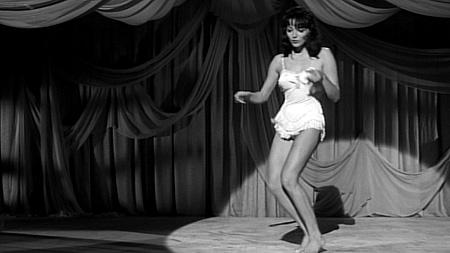
An Oscar nomination came for Costume Design, perhaps goosed by the outfits svelte Collins was poured into. With Alexander Scourby (‘Raymond Le May’, in-house ‘thief’ #6, smitten by Joan—well, yeah), Berry Kroeger (thief #7, wheel man ‘Fritz’, on the expected surly side), Sebastian Cabot, John Beradino and Marcel Hillaire. 102 minutes.
* Fishing for chips—1960 gambled five heist thrillers, with a larcenous trio from England: The League Of Gentlemen (best of the whole pack), the quite good The Day They Robbed The Bank Of England and the larker Two Way Stretch.
** Hathaway, 62, who’d aced noirs like Kiss Of Death, Fourteen Hours and Niagara, had wanted something with a lighter tone for this outing, but his well-cataloged ire quotient was early irked by one of his stars: “Christ, it was supposed to be a fun film – and Steiger is far, far from having a sense of humor”. Rod’s method buckled under and he toed the Henry Line: Hathaway was noted for not suffering much from anyone. Knocking off Seven Thieves, he then steered one of 1960’s biggest, most enduring winners, rambunctious fave North To Alaska.
 Movies ala Mark