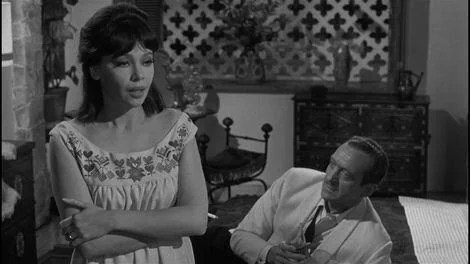
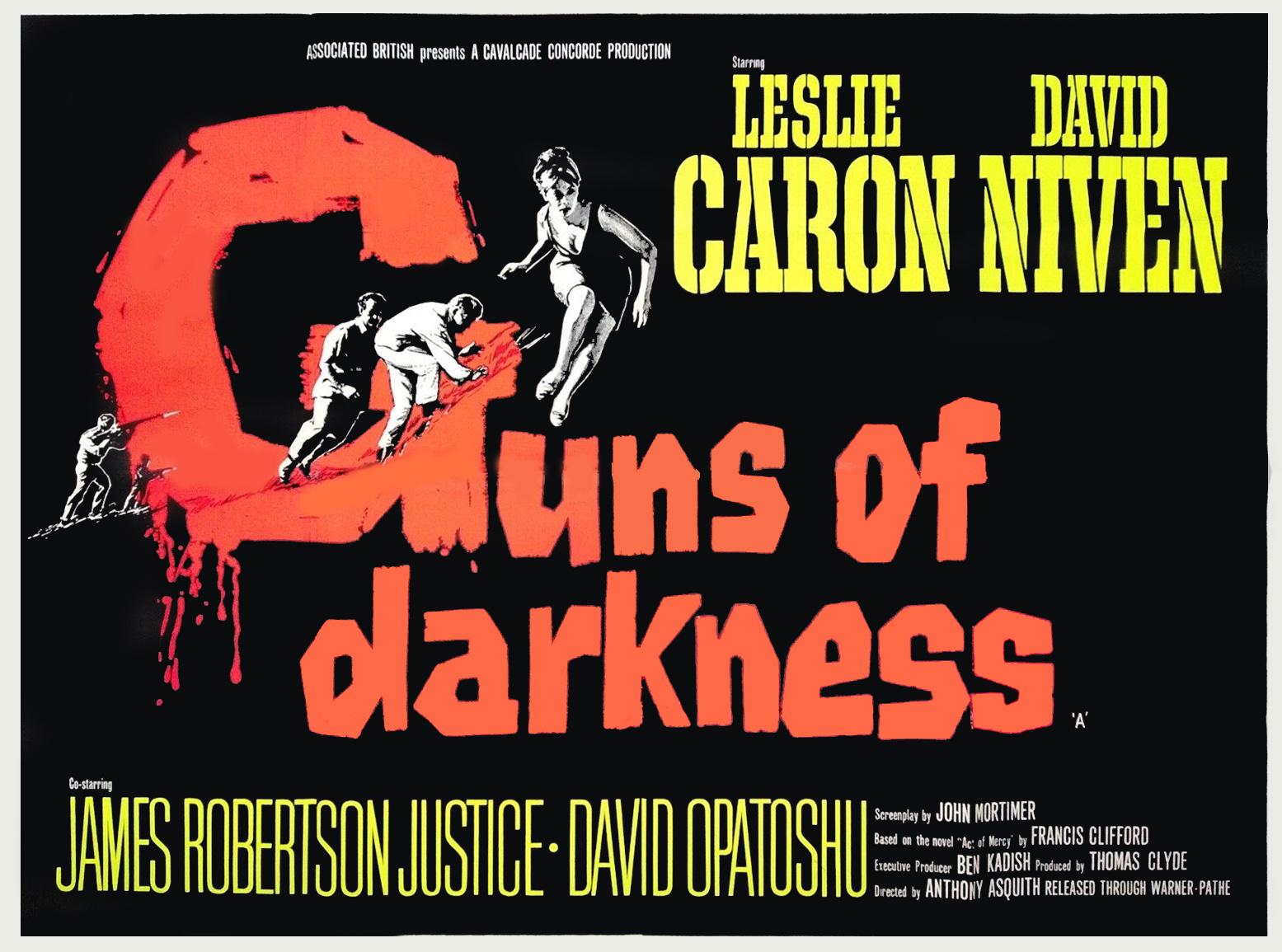
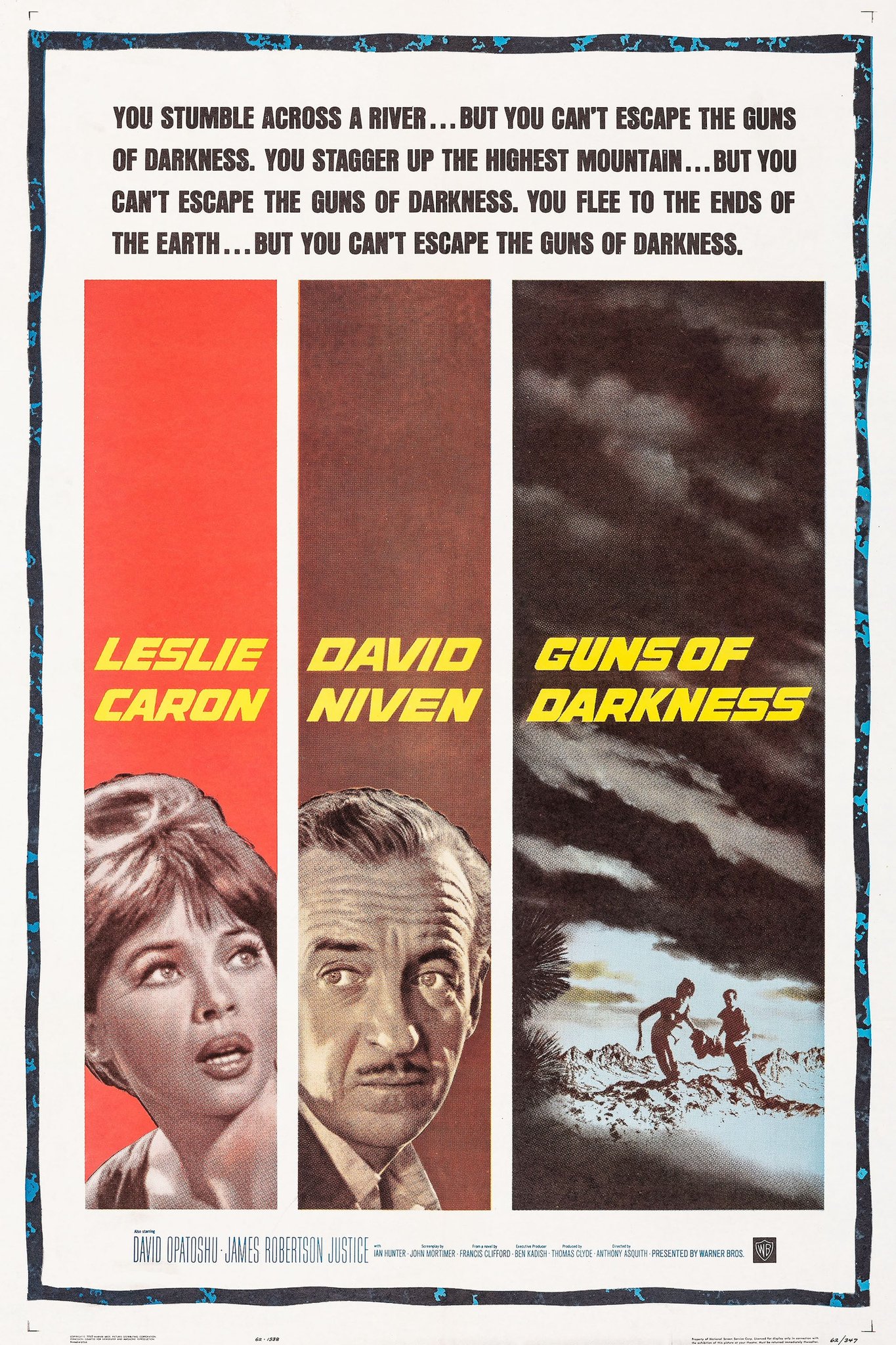
GUNS OF DARKNESS is a sort of “Let’s call it this instead!” gimmick title for an interesting 1962 adventure drama that fell between the cracks at the time and is little known today, despite two class-act stars in the lead and a director of note. It was based on on a novel by Francis Clifford, “Act of Mercy, which is more apt for the storyline; the name switch-up reveals the relative attention grab and box office marquee allure between “guns” and “mercy”. One of the leads had just come off a huge hit with “guns” crucial in its title: mystery solved. *
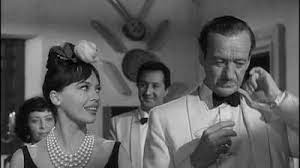
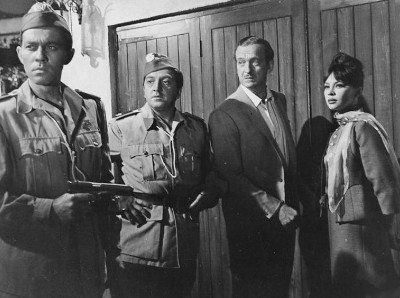
New Years Eve, in the capital of the Latin American country of ‘Tribulacion’. During a party attended by Brit ex-pats, diplomats and business leaders, the celebrating is tarnished a bit when plantation official ‘Tom Jordan’, soused and bitter, argues with his embarrassed wife ‘Claire’ (Leslie Caron) and tells off ‘Bryant’ (James Robertson Justice) his stuffy boss. While they continue quarreling at home, back at the presidential palace a coup takes place, and a new, casually cruel military ruler assumes control. This is SOP in Tribulacion; it just happens to coincide with Tom and Claire’s deteriorating marriage. Rotten luck and circumstance leave ‘Rivera’ (David Opatoshu) the wounded ex-Presidente, in Tom’s care: a dicey situation. The instantly ‘guilty’ couple and their surprise guest (wanted, for public execution) make a desperate flee for the border.
Caron, 30, sandwiched this between Fanny, a big hit, and the superb The L-Shaped Room, which gave her an Oscar nomination. Niven, 51, who’d had a huge 1961 smash with The Guns Of Navarone, (cue the title tweak) knocked off three quick pix between that and the 1963 epic 55 Days At Peking: the enjoyable The Best Of Enemies, this topical adventure and the programmer Conquered City, which didn’t make it to the US until 1966–it’s next to impossible to find.
Locations in Spain served for Tribulacion (South or Central America?, take your Yankee-gone-home pick), and the director Anthony Asquith, had a number of wins in his resume—Pygmalion, The Browning Version, The Importance Of Being Earnest. All on the polished, brainy side, a tense exotic thriller not his usual wicket. He lucked out by having a top-rank cameraman in Robert Krasker (Odd Man Out, The Third Man, El Cid) who gets in some decent black & white work, especially in the night shots.
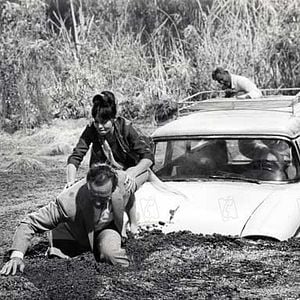
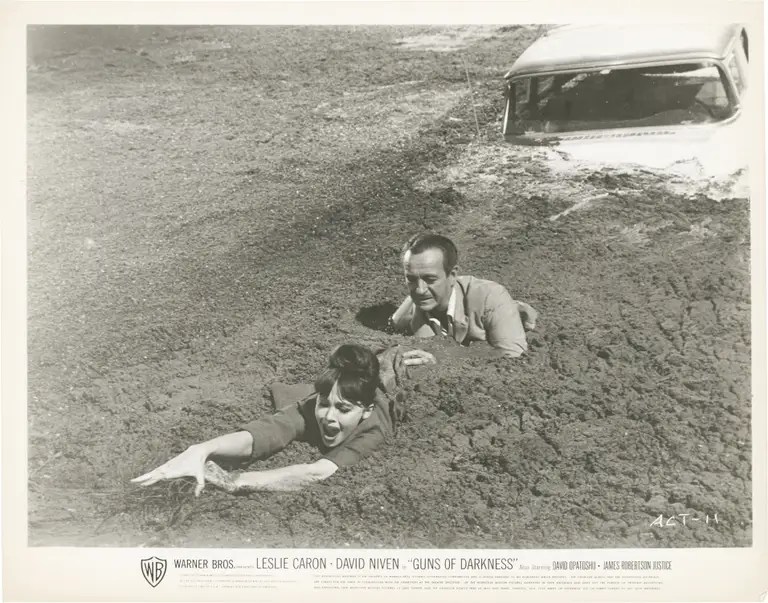
The script written by John Mortimer is problematic, switching between pungent (the fighting between the couple is sharp and telling) to convenient (much of the narrow escape stuff); editing isn’t too keen, and some baldly obvious sets and painted backdrops detract. Benjamin Frankel’s score goofs up during an elaborate six-minute quicksand sequence that’s visually fine but hampered by continual refrains on the soundtrack. The screenplay made a big change from the book; in the novel the couple were happily married whereas the script decides that a revolt and armed pursuit needed domestic spats as well. Though both Caron and Niven were noted for their charm, they didn’t get along during the shoot; sometimes chemistry that would seem to indicate a lock instead goes out the window. However, their acting is fine; she’s faultlessly honest as ever, and he seems to relish a chance to play someone who’s challenging to the point of nastiness.
102 minutes, with Derek Godfrey, Ian Hunter and Tutte Lemkow.
* Passported to peril—the early & mid-60s spun out a number of quality adventure dramas set in various contemporary international trouble spots (‘the Third World’); examples include The Ugly American, Where The Spies Are, The 7th Dawn, Guns At Batasi, The High Bright Sun, The Battle Of Algiers, Lost Command and The Comedians.
Though this entry came and went—115th place, $1,200,000 in the States—director Asquith finished his career with two box office successes, The V.I.P.s and The Yellow Rolls Royce: big budgets, all-star casts, flashy color.
 Movies ala Mark