
THE INVISIBLE MAN was first ‘seen’ in 1897 in H.G. Wells 149 page novel, third of five classics he spun in a six year period, preceded by “The Time Machine” and “The Island Of Doctor Moreau”, followed by “The War Of The Worlds” and “The First Men In The Moon.” They’ve all been adapted to films, some more than once. With a Welles-approved script by R.C. Sherriff (famous for his WW1 play “Journey’s End”), “The Invisible Man” reached the screen in 1933, and audiences, eager to duck out of the blight of the Depression and the emergence of a troublesome bully in Germany, made it the 19th most popular picture of the year. James Whale—whose 1931 hit Frankenstein joined Dracula and Dr. Jekyll And Mr. Hyde in securing science & horror oriented fantasy as a durable genre—directed, and a new star was born in the person of 43-year-old Claude Rains.

“The drugs I took seemed to light up my brain. Suddenly I realized the power I held, the power to rule, to make the world grovel at my feet.”
England. A Sussex village inn receives a strange visitor, his eyes goggled, head swathed in bandages. His manner soon turns from brusque and imperious to insulting and demanding. Challenged, he becomes violent and gleefully destructive. ‘Dr. Jack Griffin’ (Rains) is a chemist whose injection of a drug called ‘monocane’ has rendered him not just handily invisible but stark raving mad. Casualties mount, the public panics, authorities are foiled as bonkers Griffin is bent on using his newfound power to subdue and plunder the planet. His former associates and distraught fiancée try to reason with him, but monocane + brain = insane.
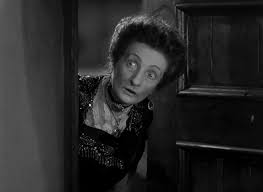
The cherished oldie is a mix of marvelous and age creaky. Sherriff’s script and Whale’s handling wisely use an ample amount of humor–the basic setup being so obviously preposterous that playing it entirely straight would be too much to accept, chuckles balancing the thrills from the (still very impressive) visuals. The archaic end is in the simplistic ‘science’ and the stagy acting from the chief supporting players Gloria Stuart (23, sixty-four years away from being ‘found’ in Titanic), Henry Travers (13 years before ‘saving’ Jimmy Stewart in It’s A Wonderful Life) and William Harrigan. Whale was tickled by Una O’Connor (later deploying her in Bride Of Frankenstein) and reviews always praise her comical innkeeper’s wife, though for our two quids worth a little of Una’s frantic sonic shrieking goes a long way and there is a LOT of it here: laugh at will, earplugs optional. The playing in the smaller parts holds up better; Whale chose a great gallery of faces for the villagers and coppers.

Rains, a successful stage actor and highly respected drama teacher, had only appeared in one British silent flick, in 1920. His Hollywood/international debut was not only a boon to his career and film history but was as out-of-the-norm as the subject. With his face shown for only a few moments in the very last scene, he carried off the role with just his voice—richly mellifluous, silky and commanding—and his body movements, aligned with the costuming and special effects.
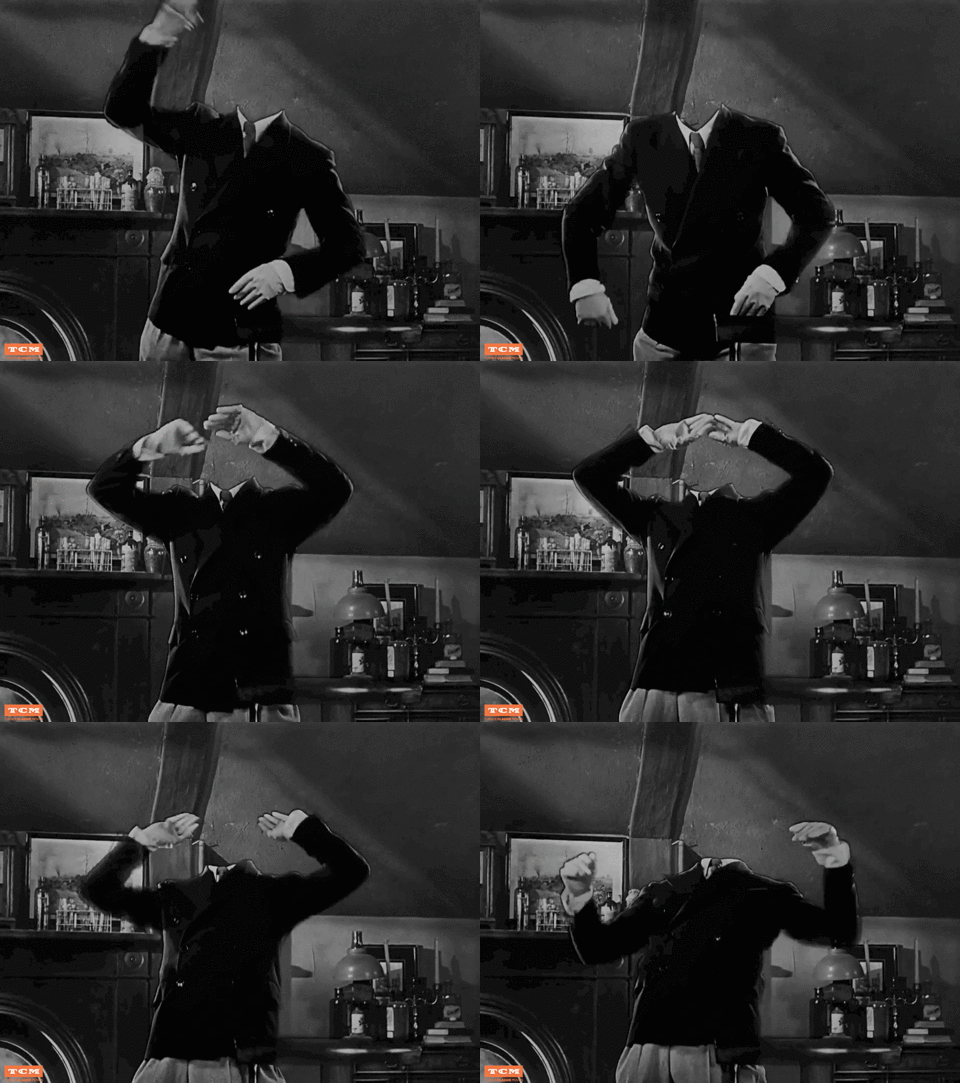
 Whale’s fluid direction and the camerawork from Arthur Edeson zip things along adroitly and Charles D. Hall’s art direction is a treat. Expert miniature work shows up in spectacle scenes of a car crash and a train wreck when Griffin blithely takes out a hundred innocent people. John P. Fulton’s ingenious special effects are delightful, with the unseen maniac being ‘revealed’ only via movements of props and process tricks—utensils, steps in the snow, smoking, moving furniture, etc. The freshman Academy Awards ceremonies were still five years away from a category for special effects, otherwise Fulton’s creativity would have gone mano-a-gorilla with 1933’s number one smash King Kong.
70 minutes long, done up for $328,033, with the US box office tabulating $2,800,000. Contributing sputters of outrage or fright are Forrester Harvey, Holmes Herbert and Dudley Digges. In quick bits spot then-unknown Walter Brennan, 39 and John Carradine, 27. Whale lets Frankenstein & Dracula alumnus Dwight Frye pop in as a reporter.
“Power, I said! Power to walk into the gold vaults of the nations, into the secrets of kings, into the Holy of Holies; power to make multitudes run squealing in terror at the touch of my little invisible finger. Even the moon’s frightened of me, frightened to death! The whole world’s frightened to death!”
 Movies ala Mark