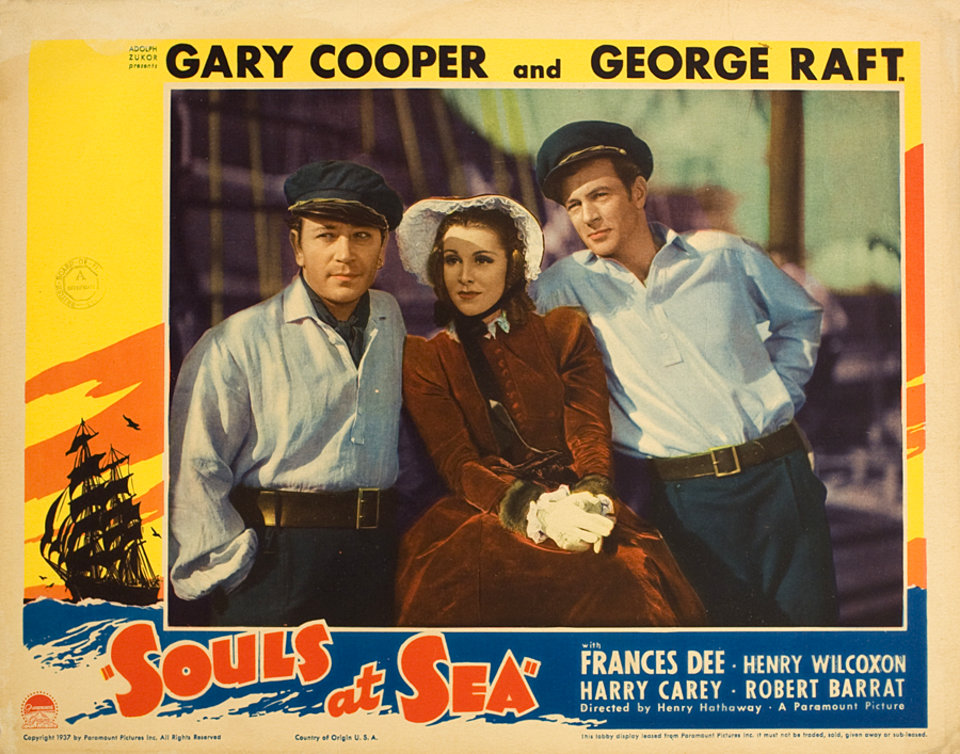
SOULS AT SEA docked in theaters in September, 1937, three months after a similarly themed nautical/historical adventure titled Slave Ship. Both dealt with the last days of the Atlantic slave trade, both climaxed with mutinies and shipwrecks, both were boosted by popular stars and vetted directors. For this one, a box office gross of $3,700,000 anchored in berth #67 for the year. Slave ship, first on the horizon, did more business but Souls At Sea is a considerably better movie. Written by Grover Jones (The Shepherd Of The Hills) and Dale Van Every (Captains Courageous), besides condemning the odious human trafficking, it offers a slate of offbeat characterizations, humor, passion and pathos, rousing action and a ‘take responsibility and its consequences’ dilemma that would turn up again twenty years later in the unsung Tyrone Power fave Abandon Ship!/Seven Waves Away.
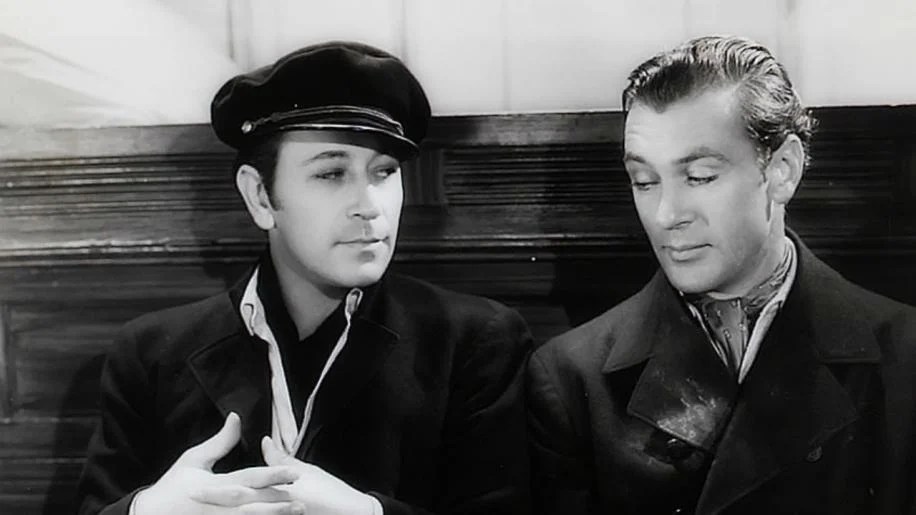
1842. On trial for murder after his actions during a shipwreck, American sailor ‘Michael Taylor’ (Gary Cooper) is revealed to have been an abolitionist, secretly aiding officials of Great Britain to uncover slavers who still play their trade despite its being outlawed. Thru testimony—pro and con—of the vessel’s survivors, flashbacks reveal the extent of Michael’s involvement, that of his longtime buddy ‘Powdah’ (George Raft), the two women they loved, and a gallery of villains & victims, frauds & heroes.
Henry Hathaway directed this oddly overlooked winner, a forgotten nugget in his resume and that of his stars. Seeming opposites Cooper and Raft who make a surprisingly adept and likable team. This was the third of six times (The Lives Of A Bengal Lancer, Peter Ibbetson, The Real Glory, You’re In The Navy Now, Garden Of Evil) the easygoing Cooper would work for the legendarily explosive director. Hathaway deserves credit for doing the improbable: he drew an excellent performance out of the range-limited Raft. No doubt the layered material and a copacetic relationship with Cooper helped; Raft drops the one-note slickster/tough guy act here and reveals surprising warmth, even heart.

Courtesy of cinematographers Charles Lang and Merrit Gerstad, you get neat footage of old-fashioned sailing ships coursing thru the waters off Santa Catalina, and when the Big Finish gets underway, it’s a whopper for the special effects crew, their end of collective bravura work from the cast, editing, camerawork and direction.
The Art Direction and Music Score were Oscar-nominated, as was Hal Walker for Assistant Director. Had the Special Effects category been created (it came in a year later) it’s likely this would have been up for a nomination, the dandy shipwreck sequence contesting the locust swarm in The Good Earth and the isle-ravaging gale force of The Hurricane.
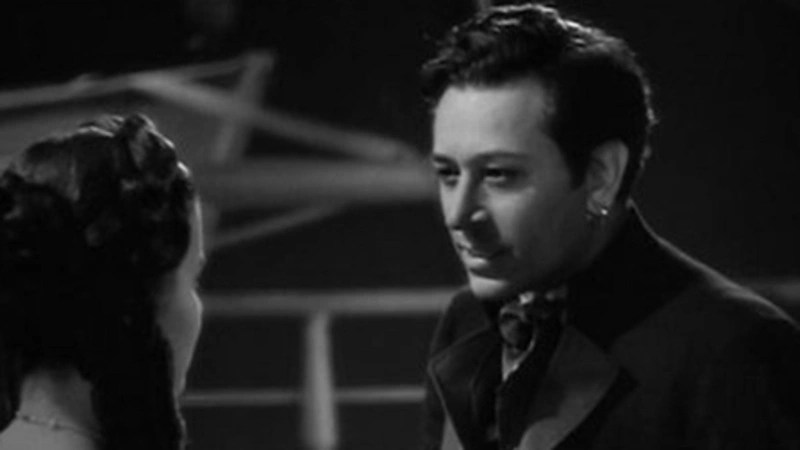
With fine support from Frances Dee (winsome, even if burdened by a hairdo that would embarrass a musk ox), Henry Wilcoxon (effective, more animated than usual, as a sarcastic swine), Olympe Bradna (charming French actress with a brief career), George Zucco (as a good guy for a change, one of his nine parts that year), Harry Carey, Porter Hall, Robert Cummings, Joseph Schildkraut, Virginia Weidler (10, amusing and unforced, telling Coop “Just like I told Papa, I think you’re awfully nice, and if I were older I’d marry you“) and Paul Fix. New-swell-on-the-lot Alan Ladd, 23, has a bit part as a sailor. 92 minutes.
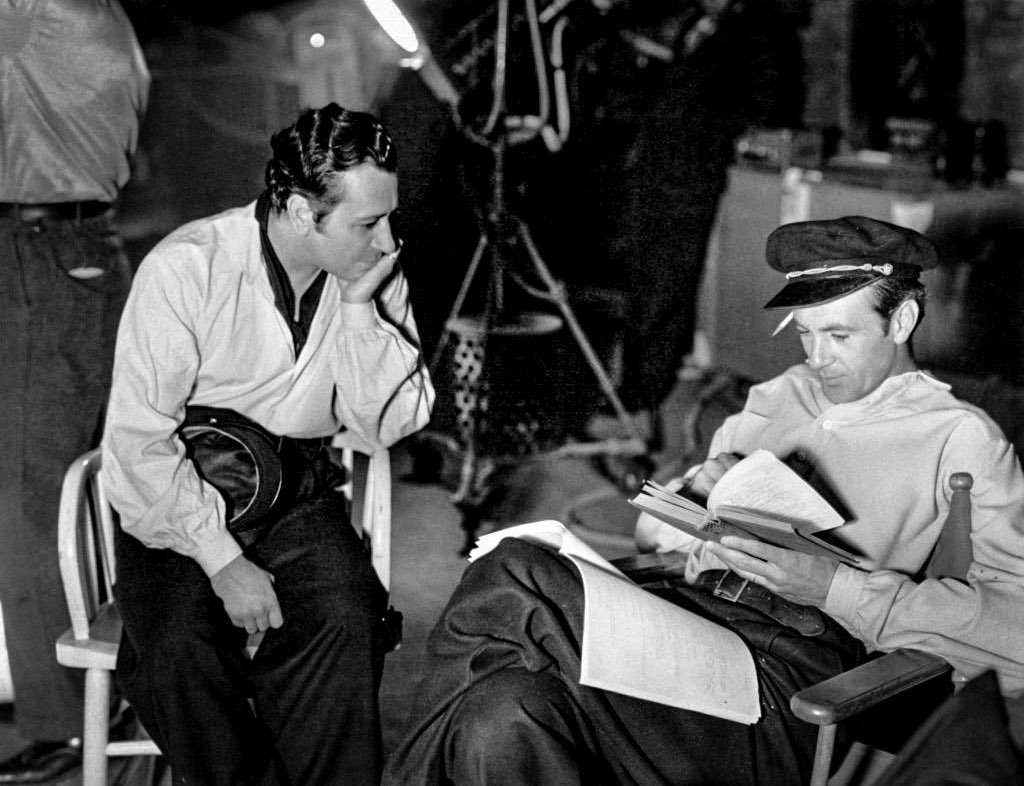
Between set-ups.
 Movies ala Mark