
ATLANTIC CITY—“You should have seen the Atlantic Ocean back then” nostalgically laments longtime resident and senior citizen ‘Lou Pascal’ to a younger new arrival. The sublime silliness of the absurd yet heartfelt statement tells us two things. One is that to a degree Lou lives in walking cryogenic suspension, that re-imagined ocean part of his pathetic self-deception. He’s told the young guy—a guileful punk out to make a cocaine deal—that in the old days he was a connected mobster while in reality he’s just a small-time numbers runner eking out his days in a decrepit apartment building. The second is that the way the line is delivered by a classic era leading man—Burt Lancaster—shows that an old pro knew a great part in a great a script was in his grasp and he would reel it in like a prize marlin.

He told the director “This is the kind of a part for an actor my age (he was 66) that comes along once every ten years”. Two decades after winning an Oscar for his fire & brimstone Elmer Gantry, his beautifully modulated performance in this 1980 piece cinched his 4th nomination, one of five for the film.
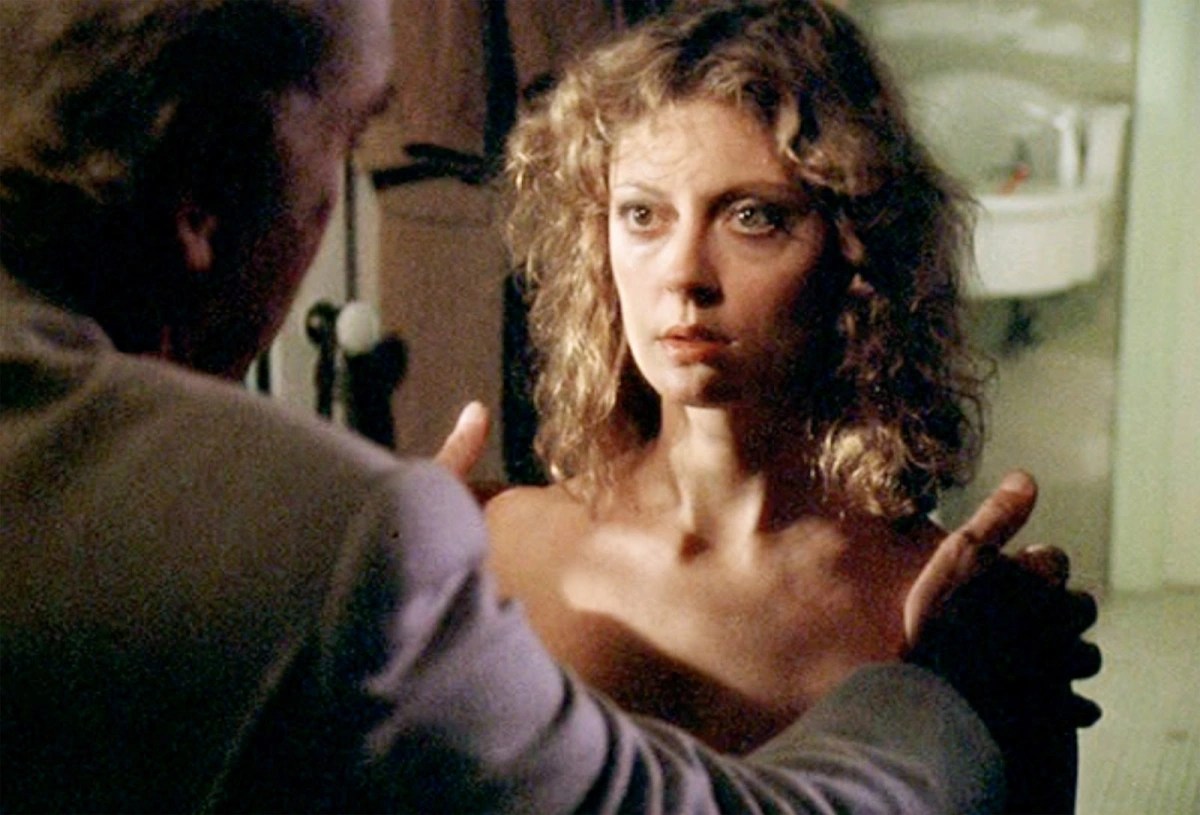
Back to the Atlantic—the plot involved a sea change for Lou, since the jerk he gets mixed up with is the estranged husband of beautiful casino employee ‘Sally Matthews’ (Susan Sarandon, 33) who lives across the alley from Lou: he secretly observes her erotic nightly routine of massaging lemon juice onto her torso, and is understandably smitten. She hopes to become a blackjack dealer, but that rat husband and his foolish schemes may upset everything. Sally’s losing streak needs a knight but the one who arrives proves to have tarnished armor.
Though set in the States (shot in Atlantic City, Philadelphia and New York City) it was a French and Canadian co-production. It bears a distinctly European texture, thanks to director Louis Malle (The Lovers, Viva Maria!, Lacombe Lucien) who’d moved to Hollywood after directing the controversial Pretty Baby, which co-starred Sarandon, who became Malles girlfriend. She’d suggested the story idea which became John Guare’s superb screenplay.
Critics raved, and though the $7,000,000 dramedy was a box office disappointment, grossing but $12,730,000, its quality scored Academy Award notice; besides Burt’s, nominations went to Best Picture, Actress (Sarandon, her first of five), Director and Screenplay.
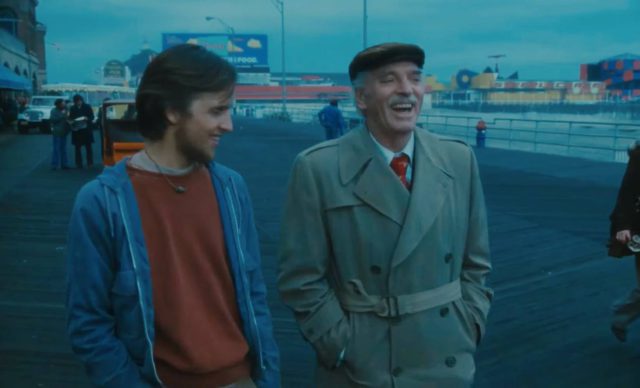
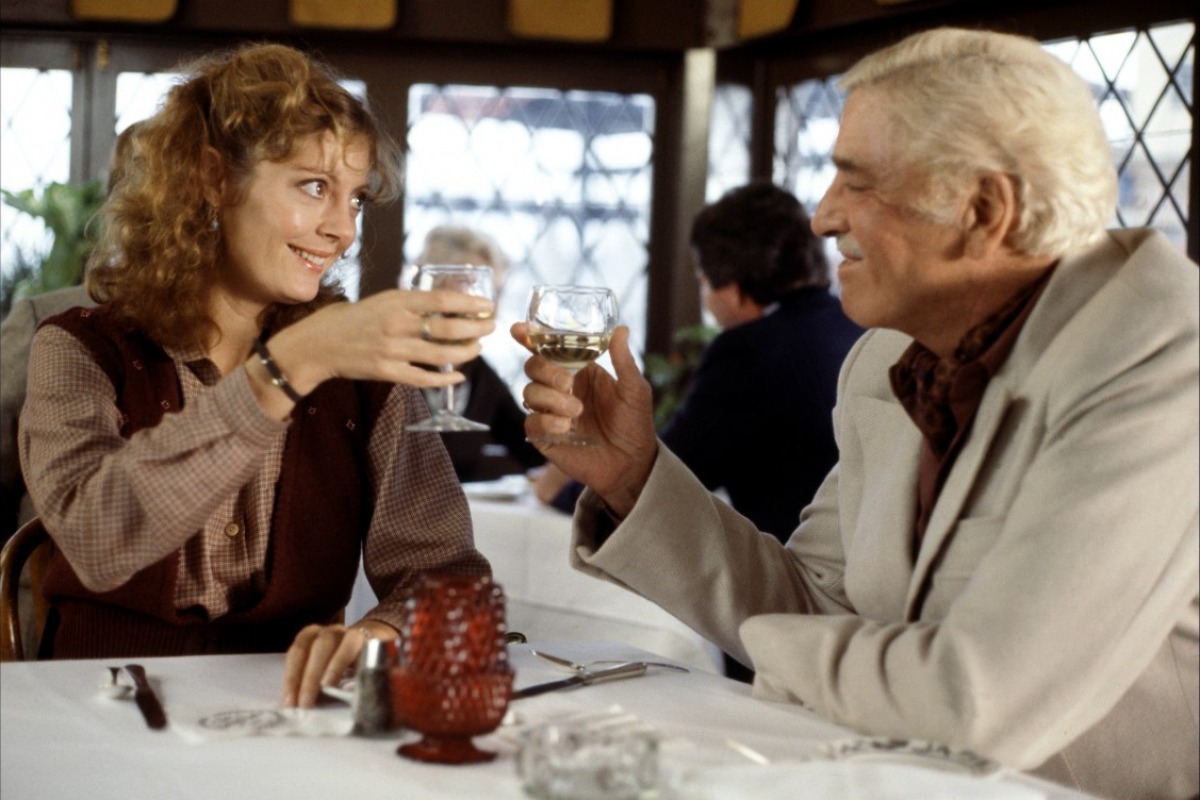
Lancaster toned down his outsized persona (“Ive never tried anything like this—a weak character. It’s good to reach out to try something different’) and with some coaxing and clashing with Malle, and his daring, emergent co-star, his loser Lou becomes a multifaceted latent hero, humorous and confident, fearful and pathetic, ultimately dignified and honorable. Sarandon, along being blessed with luxuriant beauty and arresting, thought-reflective eyes, is keen enough to depict naivete without making it come off vapid, wounded innocence with honesty instead of artifice. Her flair had been evident in The Rocky Horror Picture Show, King Of The Gypsies and Pretty Baby; this role secured her place on the A-list. Over the previous decade, Burt had shone in Ulzana’s Raid, 1900, Go Tell The Spartans and Zulu Dawn, but they were all overlooked at the box office (no hit since 1970’s Airport); this was his most personal baring since The Swimmer.
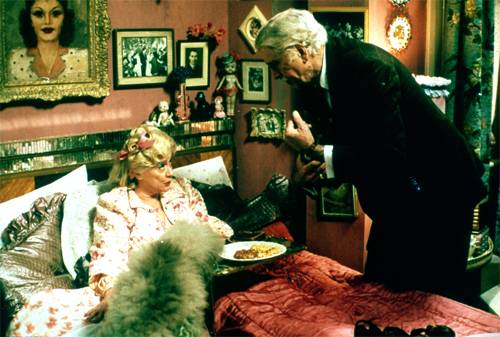
Strong supporting work comes from three Canadian cast members: The Andromeda Strain‘s Kate Reid, 48, playing, without a shred of vanity, Lou’s witch of a consort, ironically named ‘Grace’; Robert Joy, 27, feature debut as ‘Dave’, the ultimate weasel husband; and Hollis McLaren, 23, as ‘Chrissie’ Sally’s pea-brained hippie sister, knocked up by Dave. Like the leads, their roles are written with flesh & blood dimension.
With Michel Piccoli (the martinet croupier instructor who treats trainees like they’re in the French Foreign Legion), Al Waxman, Robert Goulet (being a good sport, as himself), Moses Znaimer, John McCurry and Wallace Shawn. 104 minutes.
 Movies ala Mark