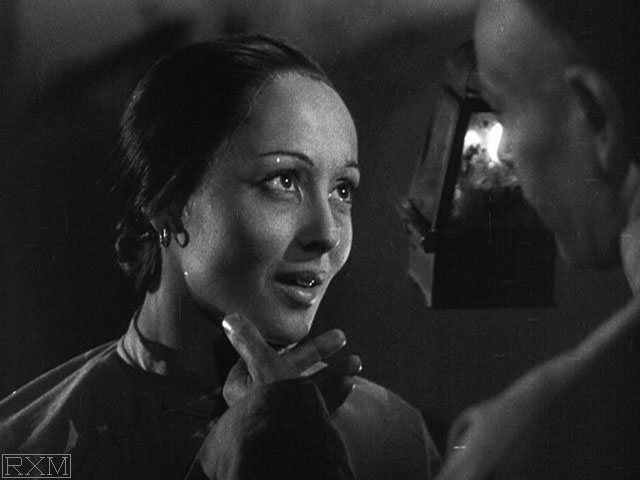
THE GOOD EARTH, the biggest of 1937’s ‘prestige’ productions, used 500 acres of California hills and valleys especially cultivated to portray a Chinese setting, deployed 1,500 extras for the crowd scenes and lavished $2,816,000 to turn Pearl Buck’s 356-page 1931 Pulitzer-winning bestseller into 138 minutes of engrossing epic drama. The sprawling yet intimate saga of peasants enduring hardship harvested a crop of Oscar nominations, taking two home. Audiences, dazzled by the spectacle, moved by the universally relatable plight of the characters and warmed by the performances, paid tribute via the $8,000,000 that made it the year’s 5th most popular motion picture. *
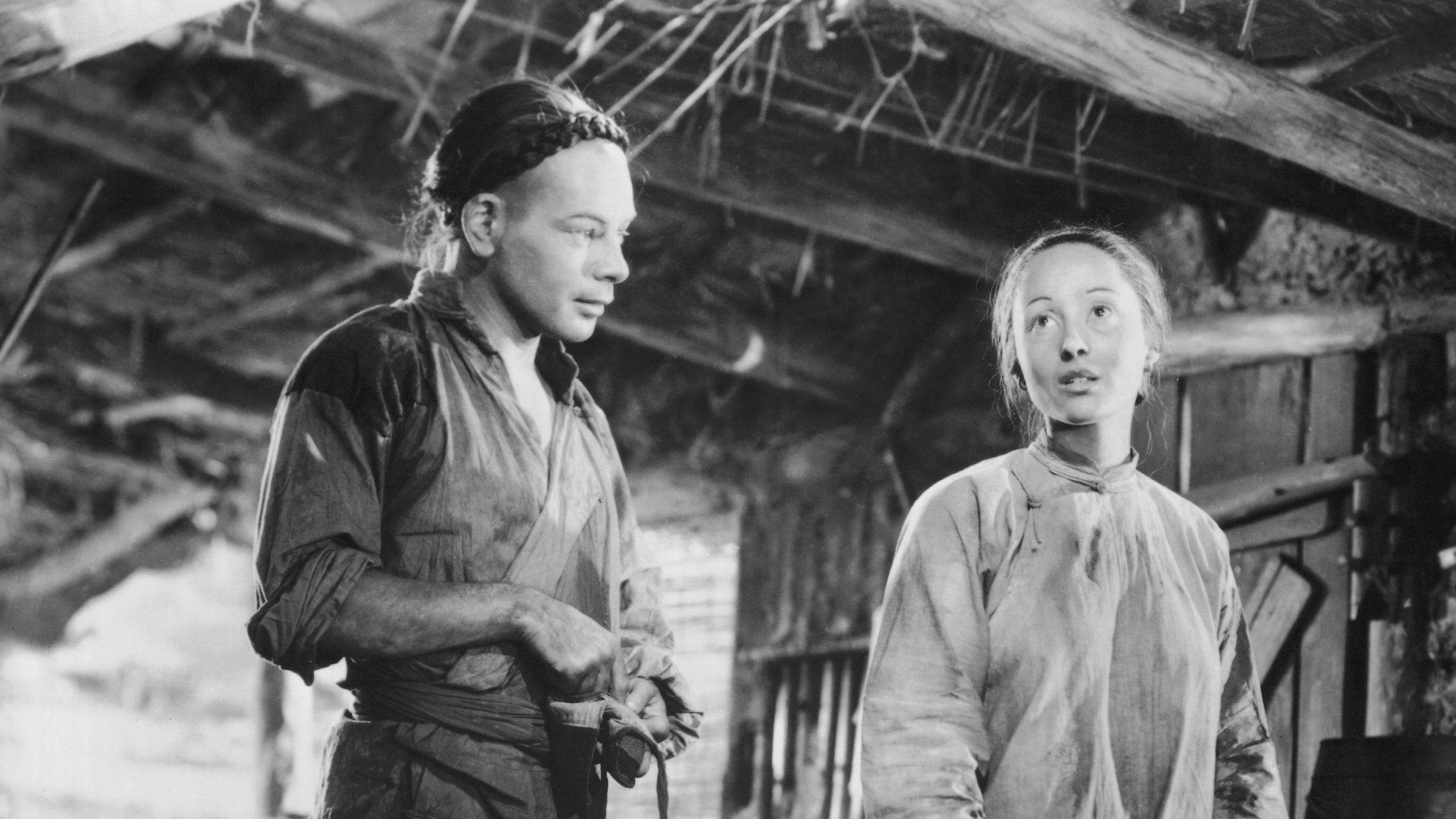
Northern China, the early 1900’s. Genial peasant farmer ‘Wang Lung’ (Paul Muni) takes as his wife ‘O-lan’ (Luise Rainer), a humble slave at the house of the villages most powerful family. Her delighted new husband according her respect instead of abuse, sweet-natured O-lan toils with Wang Lung and they eventually prosper, barely surviving setbacks from drought, revolution, pestilence and human weakness. An ode to spirit and sacrifice against odds natural and man-made, the essential theme is indomitability vs. calamity.

MGM’s legendary producer Irving Thalberg spent the final three years of his life setting it up, first dispatching a crew to China under director George Hill to shoot 250 cases (2,000,000 feet worth) of location film. Hill’s personal woes ended in suicide, so Victor Fleming took over. After supervising the elaborate farm set project and hashing out script versions, Fleming fell ill and was in turn replaced in the director’s chair by Sidney Franklin.
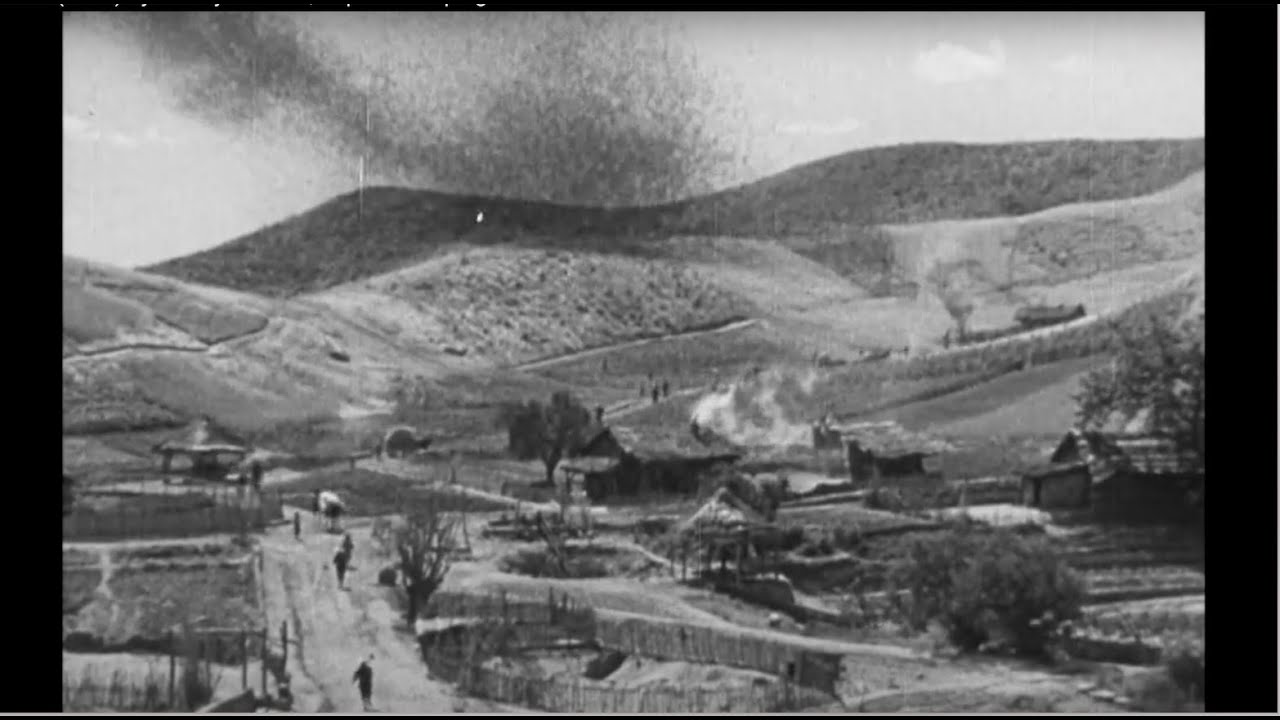
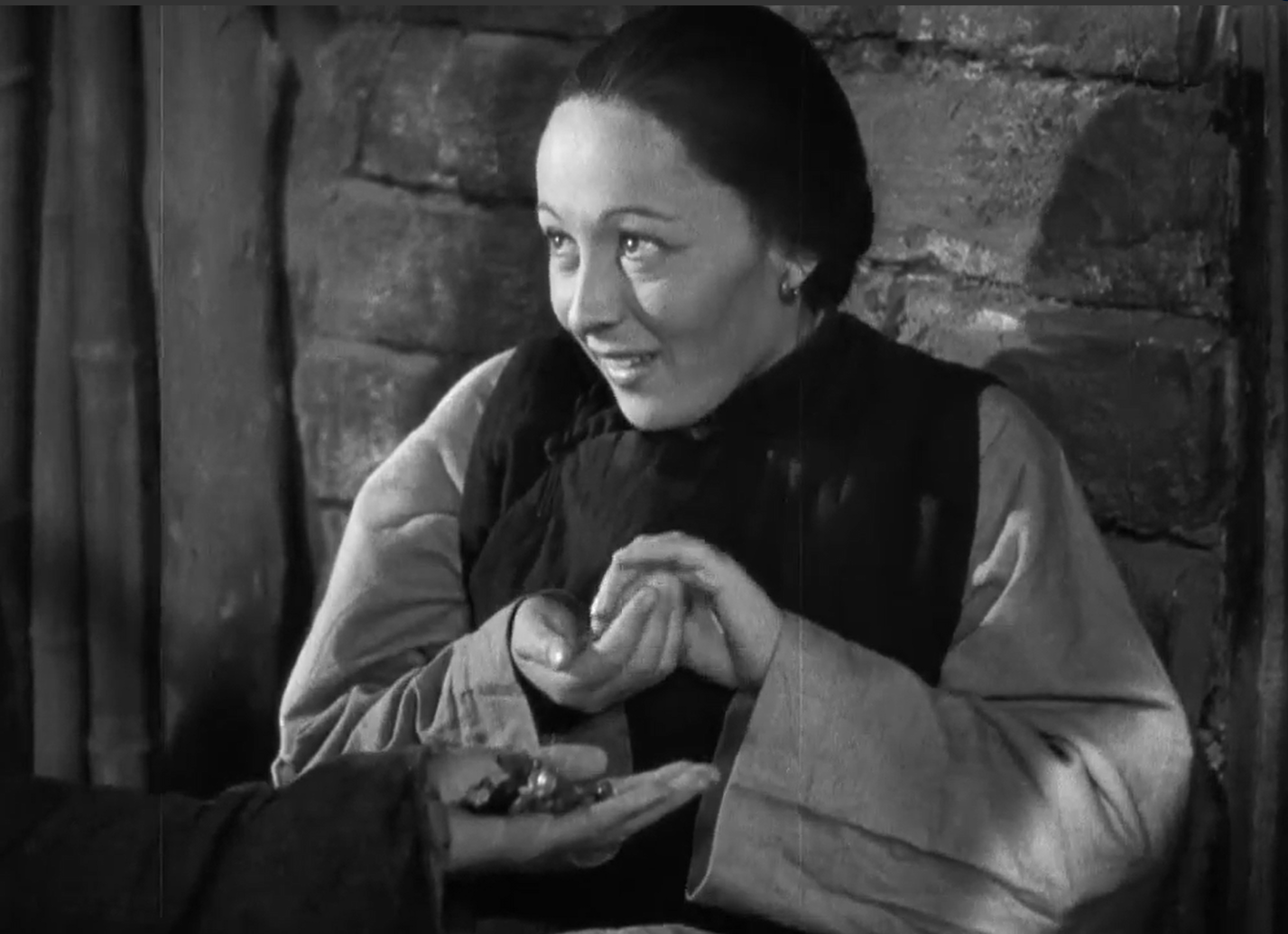
Beautifully acted (get over your voguish kneejerk casting cavils about a bygone era) by Muni and Rainer (taking her second consecutive Oscar for Best Actress), with memorable supporting turns from Charley Grapewin (‘Old Father’) and Walter Connolly (wheedling ‘Uncle’), meticulously produced on a grand scale, exceptionally well-lensed by Karl Freund, whose camerawork nicked its other Oscar win. The touching interactions between Muni’s effusive, naïve, pride-flawed husband and Rainer’s shy, taken-for-granted treasure of a mate are handled with the accent on dignity and sensitivity. The big set pieces of crushing famine and wild rioting are marvels of 2nd-unit skill and montage brilliance. The whopper is the community battle with a locust swarm, a mix of special effects and live action vying for awe value with the same year’s storm from The Hurricane and the fire of In Old Chicago: it’s a true Old School classic. **
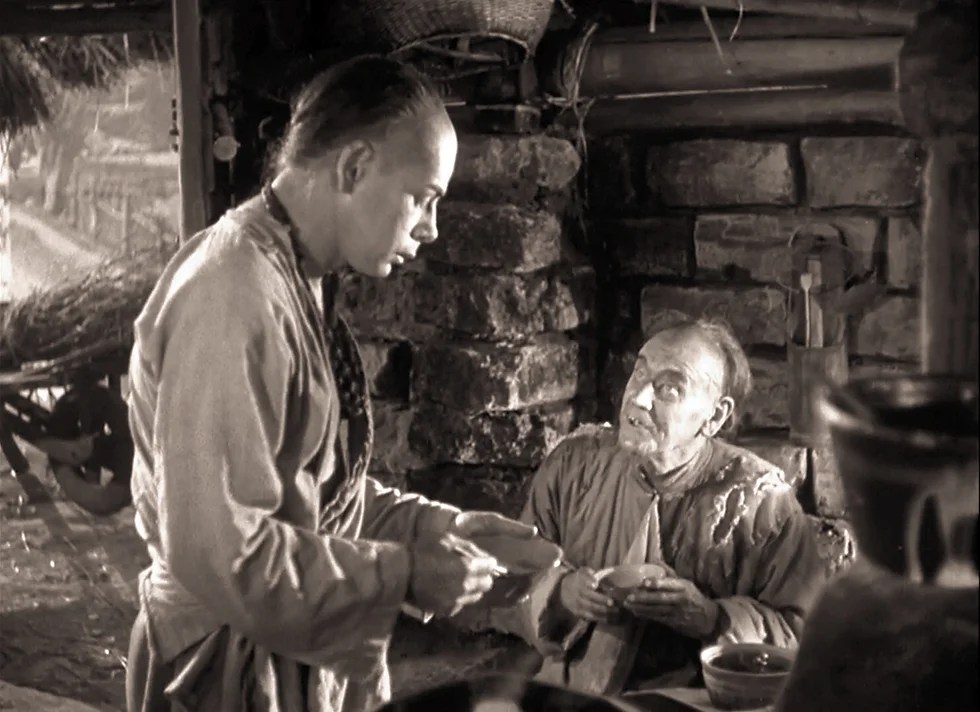
Along with Rainer’s and Freund’s peer trophies, the other Academy Award nominations were for Best Picture, Franklin’s direction and Basil Wrangell’s superb film editing. Directorial assists from Fleming and Gustav Machaty were not mentioned, but there was a credit allotted to “montage” done by Slavko Vorkavich: his work is simply outstanding.
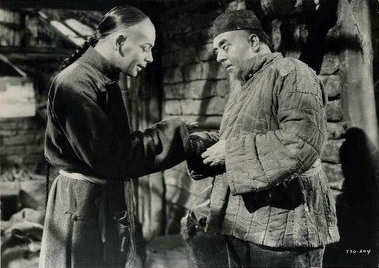
Also in the cast are Ching Wah Lee (loyal friend ‘Ching’), Tilly Losch (destructively seductive 2nd-wife ‘Lotus’), Jessie Ralph (venomous ‘Cuckoo’), Keye Luke, Roland Lui, William Law, Harold Huber, Charles Middleton, Philip Ahn, Richard Loo, Victor Sen Yung, Sammee Tong. The screenplay was credited to Talbot Jennings (Northwest Passage, Anna And The King Of Siam), Tess Slesinger (A Tree Grows In Brooklyn) and Claudine West (Goodbye Mr. Chips, Mrs. Miniver); MGM’s go-to composer Herbert Stothart and the uncredited, unsung Edward Ward (thirty-eight assignments in ’37 alone!) designed the suitably place-redolent music score.
“O-Lan, you are the earth.”

* Pearl Buck’s novel—the best-selling book in both 1931 and 1932, was the first of a trilogy, followed in 1933 by “Sons” and “A House Divided” in 1935. Prior to the epic movie version it had been done as a successful play in ’32, adapted by Owen and Donald Davis, starring Claude Rains as Wang Lung and Alla Nazimova as O’lan.
Louis B. Mayer to Thalberg: “Irving, the public won’t buy pictures about American farmers and you want to give them Chinese farmers?” And about Rainer, “She has to be a dismal-looking slave and grow old; but Luise is a young girl; we just have made her glamorous—what are you doing?” So much for front office acumen.

** Rainer’s beatific peasant was the surprise winner with Greta Garbo the expected statue-swiper for Camille. There were a slew of superior performances from actresses that year. Other nominees were Irene Dunne in The Awful Truth, Janet Gaynor at her career best in A Star Is Born and Barbara Stanwyck’s Stella Dallas. Not on the list: Katherine Hepburn and Ginger Rogers for Stage Door, Carole Lombard in Nothing Sacred, Anna Neagle’s Victoria The Great.
A few years later, fed up after being shoved into a run of lame projects, Rainer gave Hollywood the boot.

 Movies ala Mark