
BUNNY LAKE IS MISSING and if you sit thru this train wreck of a movie to find out the who, where & why you’ll find the one sentence capsule that sums up the 107 minute exercise in excess when Carol Lynley gasps “You can’t possibly be serious.” Not counting comedies, which have exaggerated characters doing certifiably crazy things that in real life would get them shunned, locked up or put down like a hydrophobic dog, 1965 rolled out at least ten thrillers that revolved around psychopaths, perverts and/or the plain diabolically homicidal. This one, directed & produced by Otto Preminger, may not be the worst, but it’s the most obstinately frustrating. *
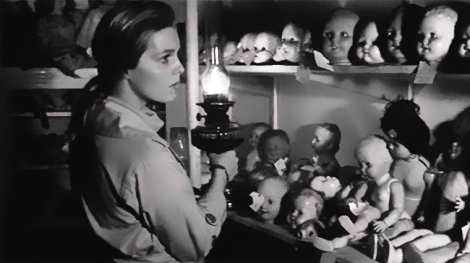
London may have been ‘swinging’ in ’65, but it’s ringing alarm bells for unmarried single mother ‘Ann Lake’ (Lynley), recent arrival from America, about to pick up her six-year old daughter from her new pre-school. ‘Felicia’, nicknamed ‘Bunny’, is nowhere to be found, the seemingly cavalier, work-overwhelmed school staff flummoxed, the police are called in. The search led by Superintendent ‘Newhouse’ (Laurence Olivier) is quickly complicated. Ann’s brother/housemate ‘Steven’ (Keir Dullea) has an arrogant, antagonistic attitude and his brother-sister posture is ‘closer than normal’; ‘witnesses’ are conveniently missing; there are weird reactions from the head of the school (Martita Hunt) and the landlord (Noël Coward) of the house Ann & Steven have rented; and Ann herself is not just alarmed but evasive. Is there even a Bunny to be found?
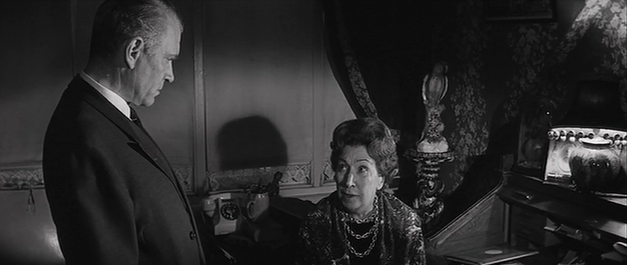
A compelling set-up, with relaxed pro work from Olivier, a tasty sample of bemused oddness from Hunt, a supporting cast stocked with durable actors in throwaway bits—Clive Revill, Anna Massey, Finlay Currie, Megs Jenkins, Adrienne Corri, Percy Herbert, Richard Wattis, Victor Maddern. The excellent black & white cinematography from Denys M. Coop (This Sporting Life, King And Country, 10 Rillington Place) is appropriate to the grim subject matter.
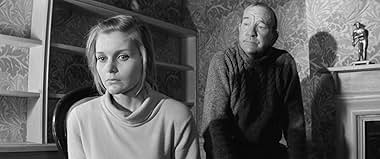
So what’s Bunny missing? Logic, in spades, given the increasingly absurd behavioral tics and outbursts of the key characters other than Olivier’s steadiness as the patient grown-up on the set in the plot. Intrigued by Evelyn Piper’s 240-page 1957 novel, Preminger scooped the rights in ’58 and spent six years toying with adaptations from different screenwriters (Dalton Trumbo, Ira Levin, Walter Newman among them) before settling on John & Penelope Mortimer. Preminger and the Mortimer’s made major changes to the novel. London replaced New York City, and both the brother and the police inspector were added, the former a major goof, the latter a Hail Mary for grounding in something like reality. More flubs were the music contributions. The intrusive score from Phil Glass makes itself a pest and then, possibly to tag off the Beatles and the new pop sound, there are glaring inserts from the group The Zombies, their tunes blaring on the telly in a middle-class, middle-agers pub. Was this “grab the kids” nonsense there to show how hip Otto was? And the selections are lame; their 1964 hit “She’s Not There” would at least fit with ‘missing’ (classic “Time Of The Season” was three years in the future).
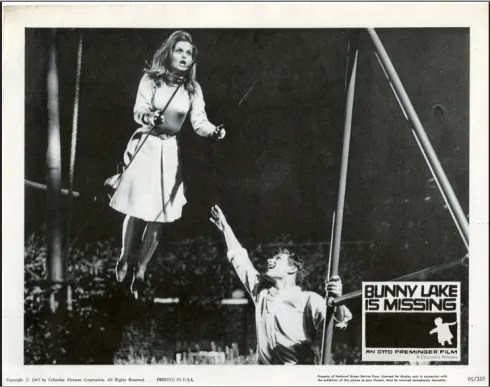
Whereas Martita Hunt’s belfry resident was held within the Weird City limits, Coward’s drunk, drooling wretch is just an example of indulgent grotesquerie. Lynley, 23, blew a hole in her career with her awkwardness in this role (and the same year’s low-rent version of Harlow—the other with Carroll Baker did her no favors, either). But the waxen Saxon torpedo that really sinks things is the godawful performance from Dullea, who apparently based his interpretation off something like “Look At Me, I’m So Deranged You Could See It From Jupiter”. The finale is so off-the-wall ridiculous it would be rejected as an improv skit. Plus it accomplishes the dismal feat of taking the joy out of swingsets.
With spooked little Suky Appleby, as you know who. US grosses were $2,400,000, 96th place for the year.
* Bunny’s mixed company of miscreants in 1965 ranged from the excellent (The Collector, Repulsion) and very good (Return From The Ashes, A Study In Terror, Die! Die! My Darling!) to worthwhile (The Nanny), then camp hilarity (Who Killed Teddy Bear?) and the mediocre (I Saw What You Did, My Blood Runs Cold). Otto’s clodhopping Bunny has its fans, but we’ll take a miss and head for a lake.

Posterity poke—the shoot was noted for Coward’s quip upon meeting his young co-star: “Keir Dullea, gone tomorrow.”
 Movies ala Mark