
INSIDE THE WALLS OF FOLSOM PRISON, a harsh Warner Brothers B-flick from 1951 draws notice today mainly because it planted the seed for a famous pop song. Serving as a Morse Intercept Operator in the Air Force over in West Germany, 19-year-old airman Johnny Cash saw this movie and it sparked the fuse that led to one of his signature numbers, “Folsom Prison Blues”.
Proclaiming under its opening title that it—California’s legendary/notorious Folsom—was “Photographed For The First Time In Its 100-Year History“, the credits are then followed by a narrator speaking as the prison. That unusual tic out of the way (he intones at the conclusion, too) what follows is a pretty good crime & punishment saga—accent on the latter—with a cast of familiar tough mugs and wise guys.
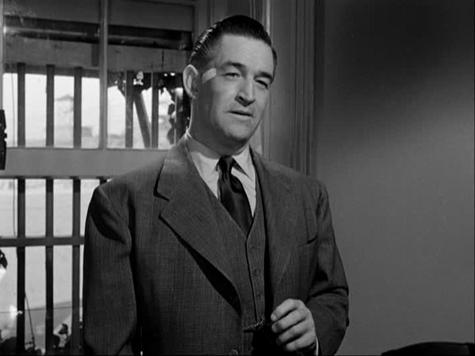
The 1920s. Prison reform in California was twenty years in the future, and Folsom is run as a fiefdom of abuse by ‘Warden Ben Ricky’ (Ted de Corsia at his meanest) who dishes out beatings, torture, deprivation and rank food to the inmates. Hardened con ‘Chuck Daniels’ (Steve Cochran) organizes a break that fails, the numerous casualties inviting press criticism that results in a new captain of the guard being assigned. ‘Mark Benson’ (David Brian) believes humane treatment and rehabilitation are the way to go. Warden Ricky strings him along, while Daniels and his followers plan another crash-out.
 Written & directed by Crane Wilbur (He Walked By Night, House Of Wax, Mysterious Island), the show doesn’t go for subtlety, which works in its favor for the most part, the exception being the dismal addition of comedy relief from Dick Wesson, who someone at Warner’s thought was funny: they stuck him in a dozen pictures in the 50’s— westerns, war movies, sci-fi, musicals—adding irritant to all of them.
Other than the humor nonsense, it works effectively. The filming inside the prison is grimly interesting, and the cast credits includes the following supporting players under the ‘also’ tag: 07321—Murder, 08438—Arson, 04327—Forgery, and 06752—Kidnapping. After a good deal of violence the lockdown concludes with the narrator letting the audience know that things (in 1951) are better now, and includes the nifty fact that 11,000,000 license plates were turned out this year.” Swell.
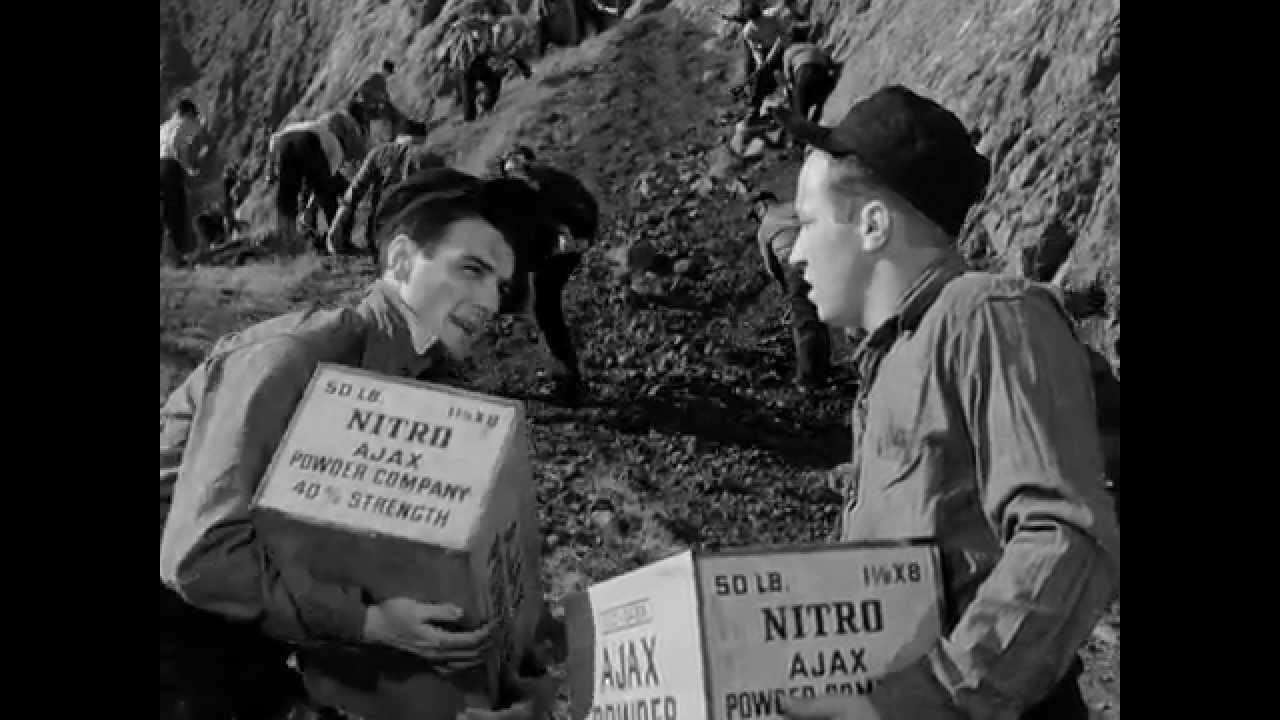 Opening narration (uncredited Charles Lung): “I am Folsom Prison. At one time they called me “Bloody Folsom. And I earned the name. I’ve been standing here in California since 1878. My own prisoners built me, shutting themselves off from the free world. Every block of my granite is cemented by their tears, their pain, and the blood of many men. This is a story from my rough, tough past. It happened not long ago after the turn of the century. At the time I tell about, I had within my walls a thousand dangerous men that other prisons couldn’t hold. But I held them. If I couldn’t break a man’s spirit, I broke his bones. I kept many of them in a cellhouse that wasn’t fit for animals, let alone men, It’s cells were more like tombs, and the doors were made of solid iron, secured by bars that only dynamite could budge. Two men, and often more, were crowded into those airless crypts. They slept, when the could sleep, on mattresses alive with vermin, They froze on winter nights, and their bodies were drained of sweat in the breathless heat of summer. Every morning, while it was still dark, my guards made the rounds, turning out the inmate kitchen workers, so they could cook the slop that was fed my prisoners under the name of “breakfast.” As the saying goes, ‘don’t do the crime if….’
During the 87 minutes inside those grey stone walls look for Phil Carey (a few months ’til parole, just wants to get home to wife and kids—what do you think happens?) Scott Forbes (reporter disturbed by what he finds), Edward Norris (brutal guard, warden lickspittle), Paul Picerni (a target of the warden’s wrath), William Campbell (a punk, what else?), Michael Tolan, Mari Aldon (Carey’s hopeful wife), Richard Benedict, Larry J. Blake, Anthony George, James Griffith (stoolie, not long for this world) and Sheb Wooley. Box office was $2,200,000, 1951’s #147 on the list of earners.

 Movies ala Mark