
THE LIBERATION OF L.B. JONES, despite being directed by class-A hitmaker William Wyler (his last feature) and based on a successful book, was mostly dismissed by critics and ignored by audiences in 1970. That’s understandable in that its take on race relations isn’t an uplifting hug (Guess Who’s Coming To Dinner) so that people walk out of the theater with some hope but instead is a raw wound that burns the spirit, the marketing posters were tastelessly exploitative and it may also have been that it had to jostle for attention with at least eight other race-related pictures that year. That said, oblivious reviewers and anger-swamped ticket buyers missed out: while unsettling, it’s a strong, vividly acted piece of dark and bitter Americana, whose currency as drama—racial/sexual/social/legal—tragically carries over into our unraveling present. *
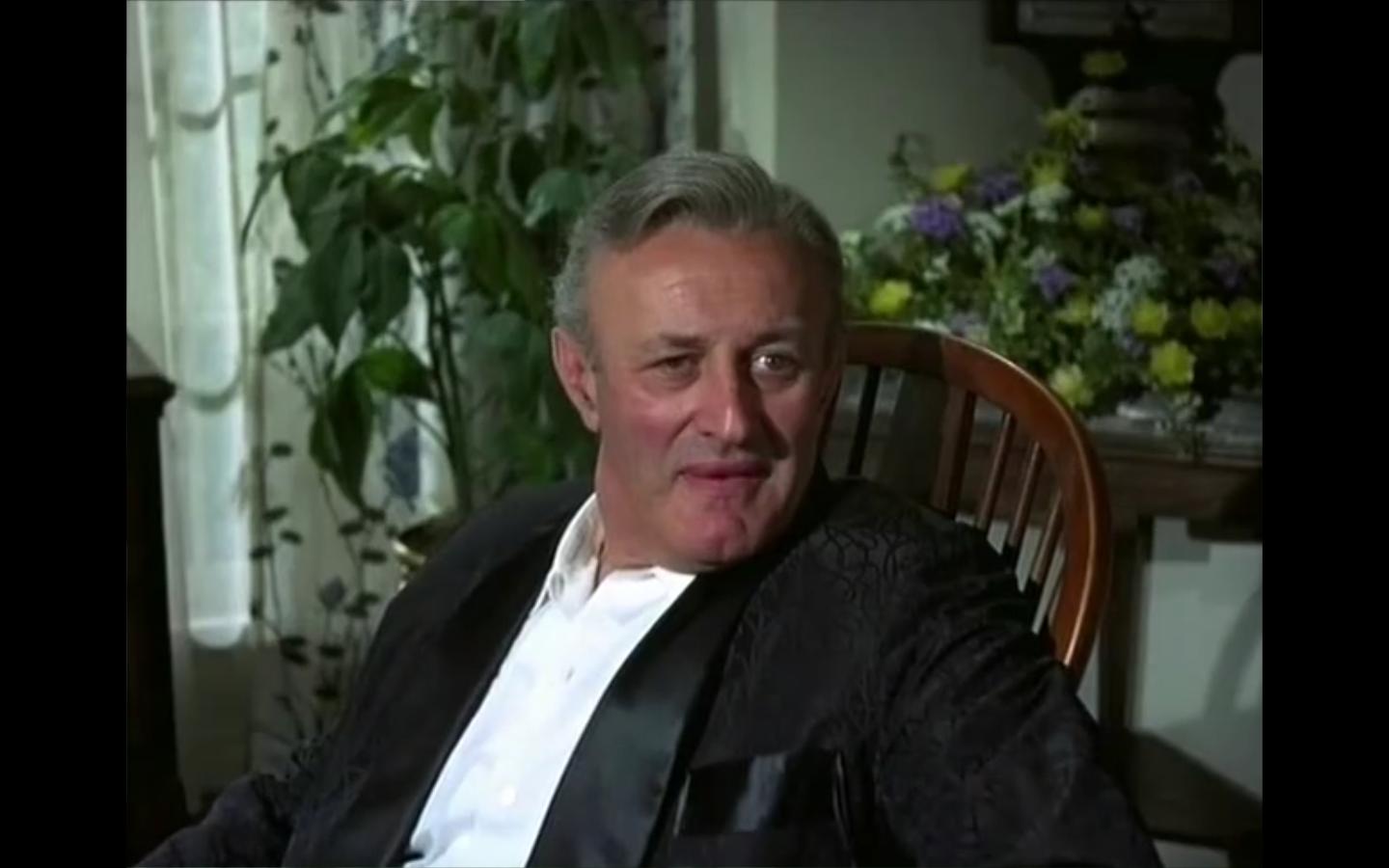
The screenplay by Stirling Silliphant (In The Heat Of The Night) adapted Jesse Hill Ford’s truth-based novel “The Liberation of Lord Byron Jones”, a 364-page 1965 bestseller nominated for a Pulitzer. The story is set in the small town where Ford resided and where the actual events had occurred, Humboldt, Tennessee. A few weeks of location filming was done there, but for decorum (and safety) in book and film the town is christened ‘Somerton’. Got to consider the un-neighborly neighbors…

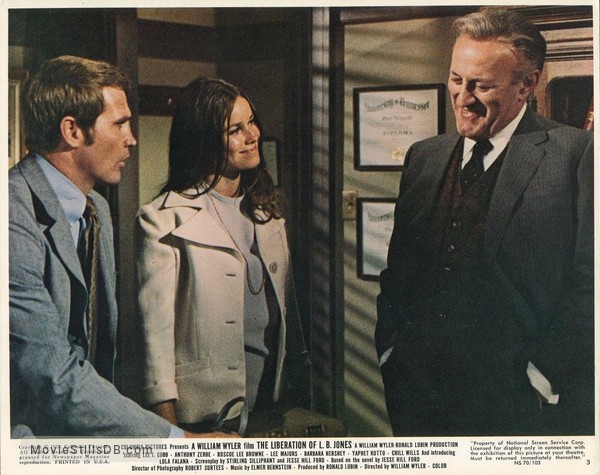
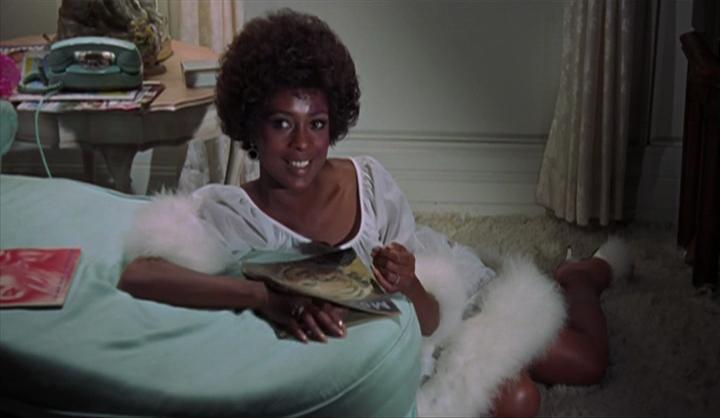
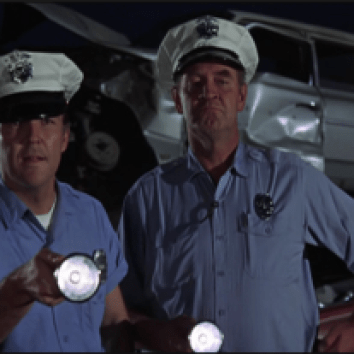
In his Tennessee town, well-off funeral director ‘L.B. Jones’ (Roscoe Lee Browne, 46) seeks a divorce from his caustic, avaricious younger wife ‘Emma’ (Lola Falana, 26), flagrantly cheating with ‘Willie Joe Worth’ (Anthony Zerbe), a town cop. The dissatisfied Jones couple are African-American, Worth is white. He’s also surly and none-too-bright. The sexual tangle goes from scandal to tragedy which local bigshot lawyer ‘Owen Hedgepath (Lee J. Cobb) intends to ‘solve’ like many of the community’s social & racial problems ‘always have’ been. Also involved are Hedgepath’s liberal nephew ‘Steve Mundine’ (Lee Majors), and vengeance-bound ‘Sonny Boy Mosby’ (Yaphet Kotto), keen to settle a score with racist cop ‘Stanley Bumpass’ (Arch Johnson), Worth’s brutal partner.
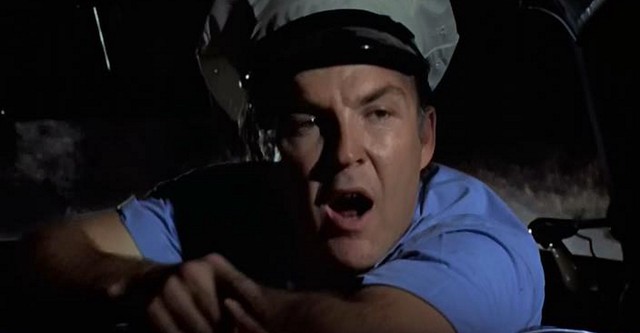
From Elmer Bernstein’s driving, suggestive title music onwards the movie pulsates with tension in several interlocking templates—racial, marital, sexual, political, cultural—and includes some unnerving violent moments (and one well-deserved instance of delayed payback), with little in the way of easy-solution payoffs. At the time critics dinged it as exploitative (the ad campaign didn’t help) but while certainly rougher than In The Heat Of The Night its harshness is appropriate to the plotline. Where weakness shows up its in the editorial choices made by writer Silliphant, who excised hopeful elements present in the novel that gave more to the character played by Majors: he and his especially his wife (played by Barbara Hershey) seem incidental.
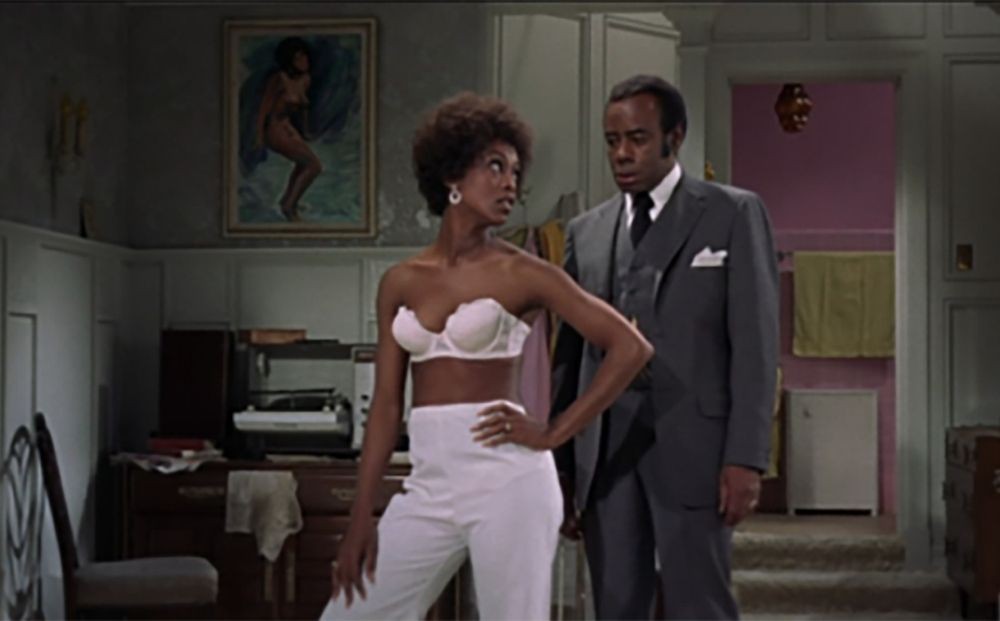
As the relaxed, confidently power-broking lawyer Cobb is better than he’d been in a decade, eschewing the tiresome bellowing he fell back on so often. Browne is his customarily urbane self, L.B.’s dogged decency wracked by Emma’s crass cuckolding. As the repulsive Willie Worth, Zerbe has one of his biggest and best roles of that early part of his career, shrewd enough to lace the character with enough discernible frailty to make him as pitiful as he is vile. Falana is superb as the sensual but stupid trophy wife, attacking the part with bold fearlessness, a vivid reminder of what a multifaceted talent she held: regrettably her big screen follow-ups include ripoff junk like Lady Cocoa and the truly reprehensible The Klansman. Her charisma was wasted on those projects but gets a fierce display in this outing.
 Per the jazzy Bernstein soundtrack—reminiscent of his hot scores for The Rat Race, Walk On The Wild Side and The Carpetbaggers—we add that the selection included below is a tame cut; the main title riff behind the credits packs more heat. Box office position at #68 in ’70, grossing $3,900,000, was a big loss on the production cost of $3,500,000. The critical diss and public shrug wronged the piece, relegating it to undeserved obscurity. ***
Fine work from Zara Cully (‘Mama Lavorn’), Chill Wills (casually bigoted policeman ‘Mr. Ike’), Dub Taylor (corrupt mayor), Lauren Jones, Fayard Nicholas (54, of the famed dance duo The Nicholas Brothers, in a rare dramatic role), Brenda Sykes and Ray Teal (his last of countless times playing some manner of lawman, here the police chief). 102 minutes.
* Simmering ’70—race relations related releases, in order of box office attendance: Cotton Comes To Harlem, The Great White Hope, They Call Me Mr. Tibbs, …tick…tick…tick…, The Liberation Of L. B. Jones, Watermelon Man, The Landlord, The McMasters and Halls Of Anger.
 ** Irony never relents—Nine months after the film’s debut, author Ford, who’d been harassed by both white & black members of his community (the same town the story’s events, real & fictional, took place) shot and killed a 21-year-old black soldier who he thought was threatening his teenage son. He was acquitted after a 5-day trial, similar to the cover-up business in the story. The man’s female companion was a relative of the character played by Lola Falana. Ford took his own life in 1996.
*** William Wyler’s stellar track record closed with an unfortunate dud, a career-finale curse that also afflicted veterans like John Ford (7 Women), Fred Zinnemann (Five Days One Summer), Raoul Walsh (A Distant Trumpet), Henry King (Tender Is The Night), Frank Capra (A Pocketful Of Miracles) and Lewis Milestone (Mutiny On The Bounty). All of those are undervalued to one degree or another, not least The Liberation Of L.B. Jones.
 Movies ala Mark