IF I HAD A MILLION was the 8th most popular box office winner in 1932, 83 minutes of an alternately comic and dramatic anthology spree with a prologue and epilogue framing eight stories of varying length (the shortest just 2½ minutes), steered by as many directors, using sixteen writers and a bevy of Paramount’s stars. *

A rich businessman (Richard Bennett), about to kick the bucket, fed up with lawyers and doctors, disgusted by his relatives, decides to leave a million bucks each to people he arbitrarily picks out of a phone book.
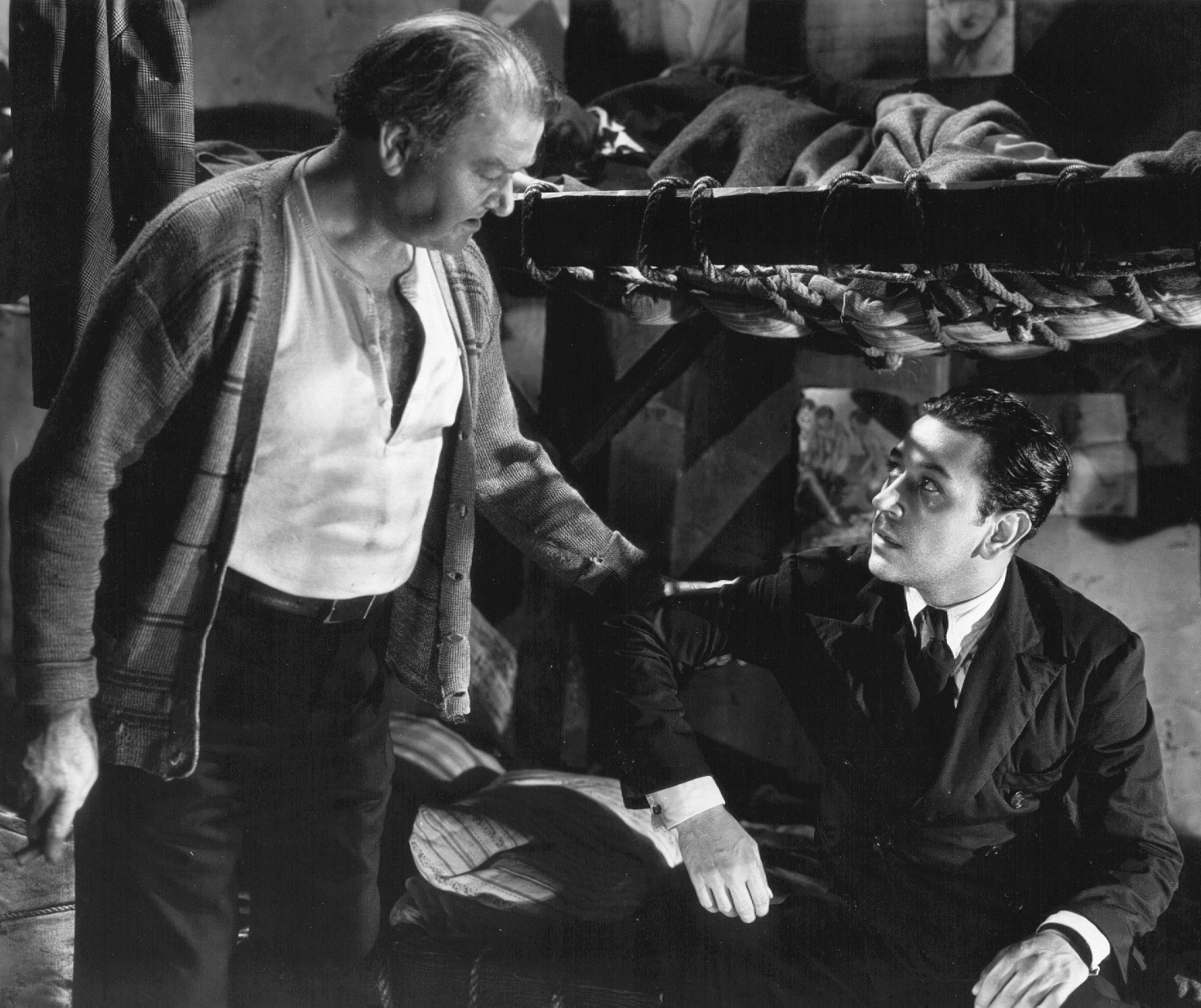
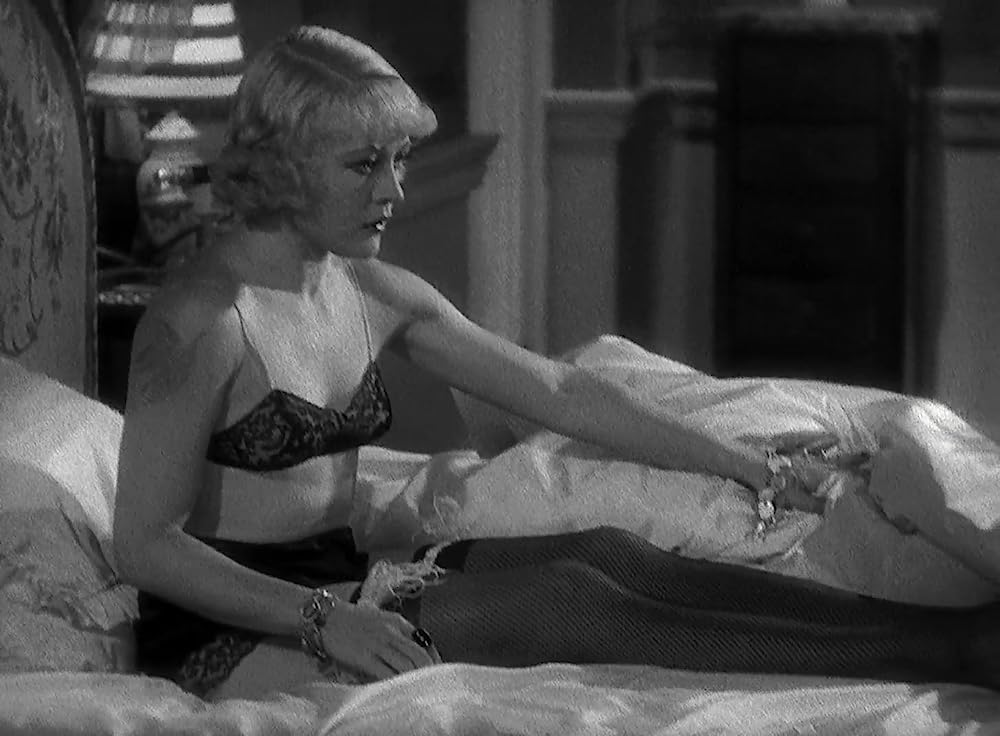
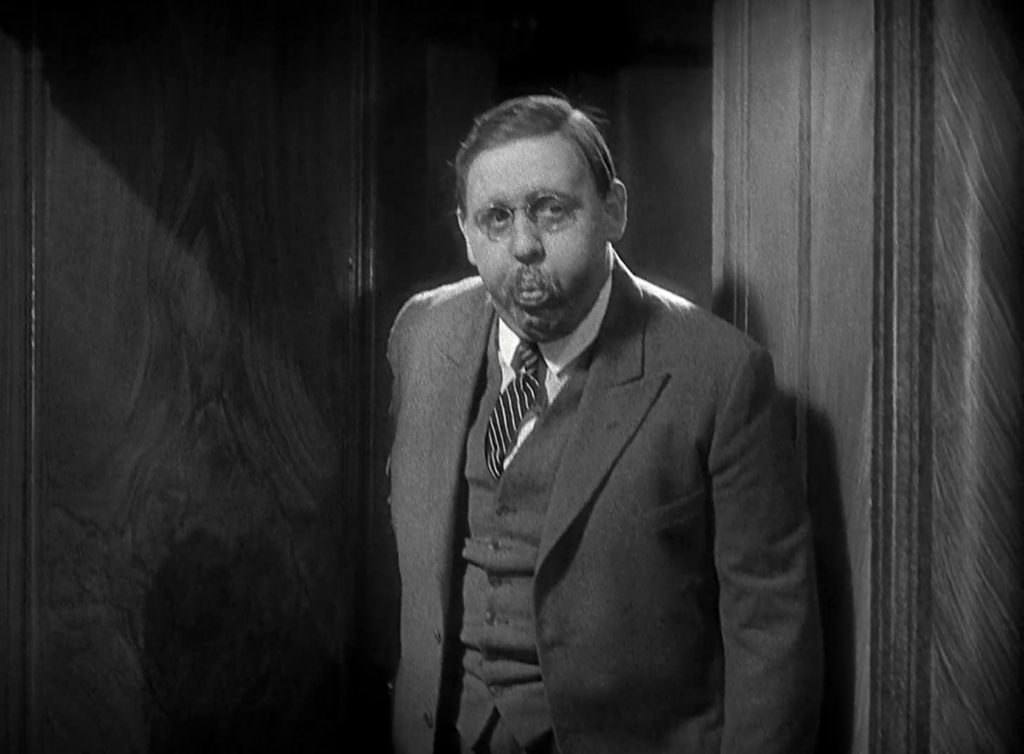
In China Shop, hapless ‘Harry Peabody’ (Charles Ruggles) is bullied at work and pestered to distraction at home by his wife. Sweet revenge awaits. Loud (Mary Boland’s badgering gets old before it’s young) and obvious, this segment shows its age. That farce is followed by the brief and touching Violet with Wynne Gibson’s world-worn lady of the evening finally getting a well-deserved good night’s sleep; it’s a winner, poignant and—since the movie was pre-Code—pretty sexy in her attire. More drama then in The Forger, with George Raft’s thief finding a big score has a heavy price tag. Neat knife-twist finish to that one. Back to kiddin’ around with Road Hogs where ‘Rollo La Rue’ (W.C. Fields) and wife ‘Emily’ (Alison Skipworth) use their windfall to get V-8 vengeance on bad drivers. Fields uses the endearment “My little chickadee” and the car stunts are elaborate. Comic payback gives way then to unyielding justice/injustice via The Death Cell where convict Gene Raymond hopes his last-minute miracle gift can get him a good lawyer and keep him out of the chair. Ask the warden. Enter stage left The Clerk with Charles Laughton getting one line (actually a sound) and a laugh (back when ‘Bronx cheers’ were a big haw-haw). Then more roustabout dorkiness with The Three Marines, who as played by Gary Cooper, Jack Oakie and Roscoe Karns (‘Gallagher’, ‘Mulligan’ and ‘O’Brien’, doncha know) aren’t actually much of a salute to Leatherneck brains; it’s a bit tiresome. Rounding things out with sentiment and compassion (and some grand old faces) is Grandma, with May Robson as one of the cast-aside ladies in a spirit-stifling rest home. This sad-to-glad episode makes a pinching reminder that there were good reasons for instituting that darn ‘Socialist’ Social Security (which began three years later, thank you FDR).

In the cast mix look for Blanche Frederici (witch in charge of the rest home), Frances Dee (the condemned man’s wife), Jack Pennick (Violet’s customer—her last customer), Reginald Barlow (‘Otto K. Bullwinkle’), Berton Churchill, Samuel S. Hinds, Paul Hurst (flophouse firebug), Marc Lawrence and Gail Patrick.
The directors were Ernst Lubitsch, Norman Taurog, Stephen Roberts, Norman Z. McLeod, James Cruze, William A. Seiter, H. Bruce Humberstone and sans credit, Lothar Mendes. Among the sixteen writers was 22-year-old hotshot Joseph L. Mankiewicz.
The b.o. take tallied $3,600,000.
* Paramount was showing off with this look-who-we’ve-got movie: they had a banner ’32, producing seven of the top fifteen earners. The studio’s rollout included The Sign Of The Cross, Shanghai Express, A Farewell To Arms, Horse Feathers, Dr. Jekyll And Mr. Hyde, One Hour With You, Love Me Tonight, Blonde Venus and Trouble In Paradise.

 Movies ala Mark