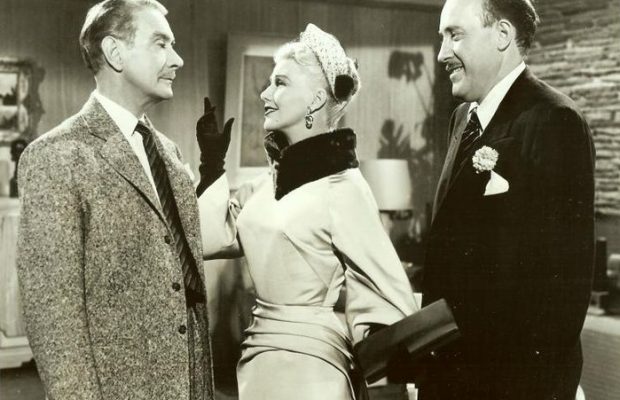
DREAMBOAT is…Clifton Webb?!? At 62, one of the 1950’s more offbeat leading men racks up another in a string of wins that ran just over a decade, co-starring with Ginger Rogers, 40, whose long movie career was winding down. This clever 1952 comedy wasn’t a smash but at 51st place, the $5,600,000 gross was more than sufficient and reviews were complimentary. Rogers had another fun role that year in Monkey Business and Webb scored a hit playing John Philip Sousa in Stars And Stripes Forever. *
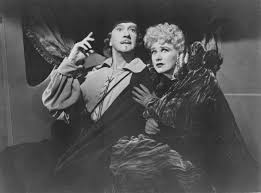
‘Thornton Sayre’ (Webb) wields his refined intellect like a scalpel as a professor English literature, and his daughter, a grad student at his college, hopes to follow in the teaching field. They’re snobbish, but that modus operandi is rudely challenged when they discover—he with horror, she with shame—that a popular TV show is broadcasting silent movies (with sound effects added) that he once starred in—as the dashing ‘Bruce Blair’. Outaged, they spur to New York City to force the producers to cease & desist, only to find that his former co-star ‘Gloria Marlowe’ (Rogers) is all-in for the revival. Thornton & Gloria worked together and may even have had a fling, but not only do her motives clash with his ideals, it also happens that they can’t stand each other.
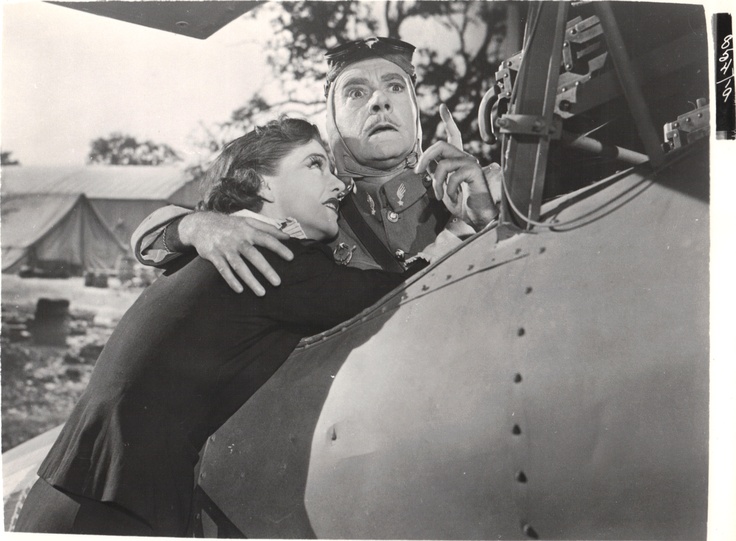
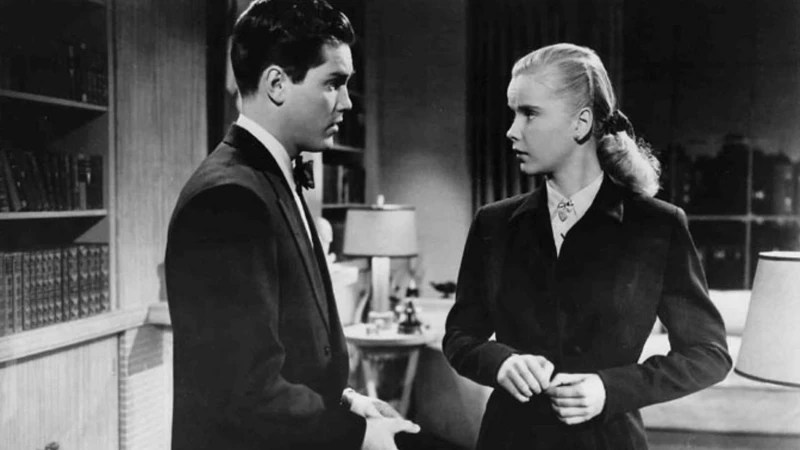
Written & directed by Claude Binyon (Rally Round The Flag, Boys!, North To Alaska), the droll 83 minutes spins on several levels. There are the assorted personality clashes, the funny sendups of the broadly played and garishly subtitled silent films, and a poke on the nose at gauche upstart television, which the movie industry of the day was loathe to cede audiences to. Joining Webb (who’s in fine form) and Rogers (having fun playing a catty meanie) are Fox contract players Anne Francis (as the daughter) and Jeffrey Hunter (as a network flunky assigned to show her around New York). More giggles come from Elsa Lanchester as the dean of the college who lusts after Thornton, especially when she finds out he is/was the ‘heroic’ Bruce Blair.
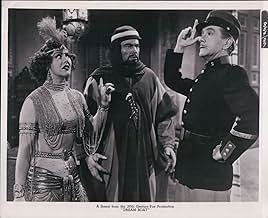
Francis, 21, was gaining notice—that year she was given a starring role in the adventure Lydia Bailey (20th was cranking out colorful costume actioners); she actually has as much screen time as Rogers. Hunter, 25, was being showcased with supporting roles in Red Skies Of Montana, Lure Of The Wilderness and Belles On Their Toes—Fox was trying to decide whether to put more emphasis on him or Robert Wagner.
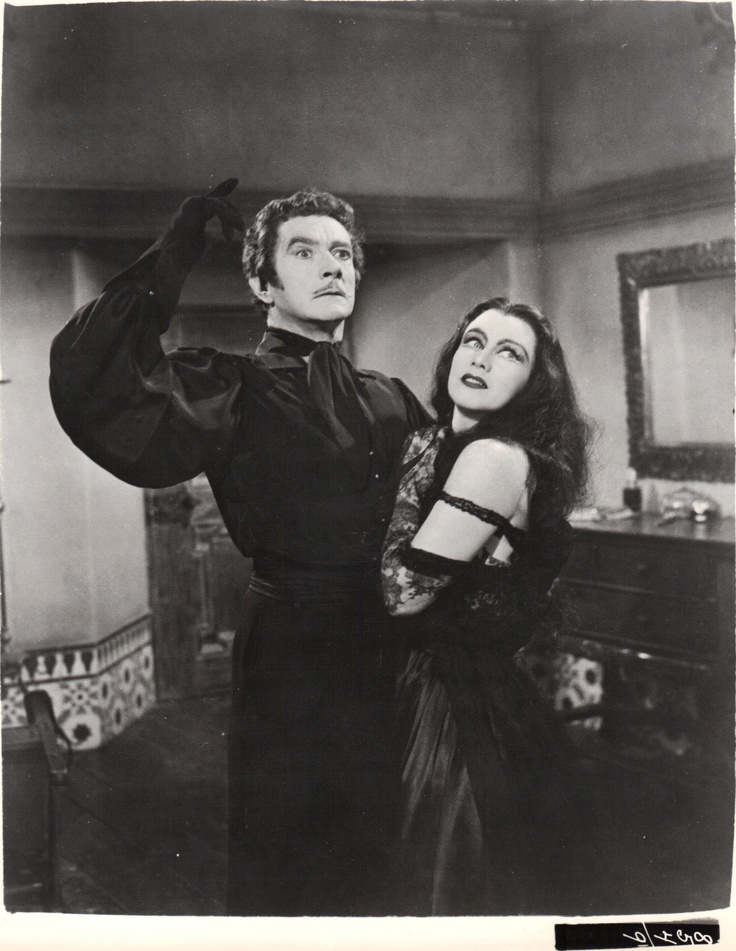
Since they had produced it back in 1936, the studio spliced in scenes from their Foreign Legion epic Under Two Flags, inserting Webb/Bruce into the action. Some of us are ancient enough to fondly recall the half-hour 1963 TV series Fractured Flickers produced by Jay Ward, which took silent films and inserted comic voiceovers. Hans Conreid hosted, with dubbing from ‘Bullwinkle’ stalwarts Paul Frees and June Foray.
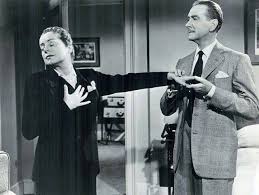
“I have to find out the truth about you, no matter what may happen to me. My poor man. You try so hard to live a decent, honorable life, don’t you? And then this something inside you breaks loose, and you become a man without conscience or scruples. A man in search of a woman!” That the impassioned speech was delivered (hilariously) by Lanchester, who was the closeted Charles Laughton’s wife, and is hurled at Webb, the most gaydar obvious actor of the era, lends an extra touch of insider deviltry to the kidding around.
With Fred Clark, Ray Collins, Paul Harvey, Helene Stanley, Jay Adler, Robert Easton, Mary Treen, Jean Corbett and May Wynn. Gwen Verdon can be glimpsed as a dancer in a TV commercial.
* Other non-glamorous actors who didn’t fit the heartthrob mold and scored lead roles in the 50s include Edmond O’Brien, Ernest Borgnine and Broderick Crawford. Webb’s lofty air of patrician disdain and cutting wit served him well in comedies, but our favorite role for him was in a drama-tragedy, 1953s Titanic; he was superb with the likewise terrific Barbara Stanwyck.
 Movies ala Mark