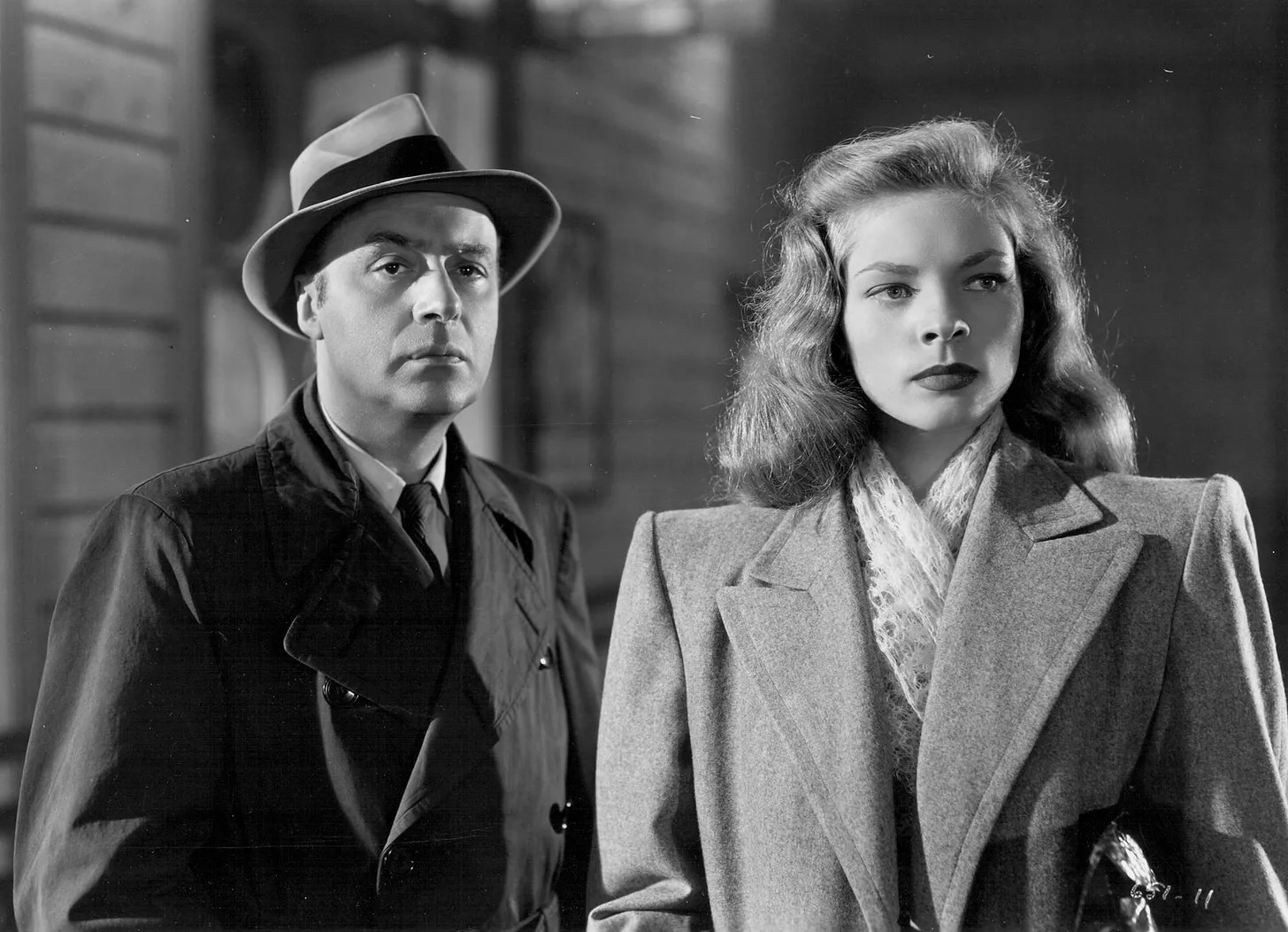
CONFIDENTIAL AGENT, a 1945 adaptation of Graham Greene’s 208-page 1939 novel, has a number of things going for it, but it also gets the rap for nearly stopping Lauren Bacall’s just-begun career in its tracks. The 21-year-old former model had arrested attention with her 1944 debut in To Have And Have Not, her inexperience patiently coached and sheltered by director Howard Hawks and star-turned-lover & husband Humphrey Bogart. She’s frankly awful in her next, this otherwise fine picture, which was considered a box office failure—$4,500,000 gross and 80th place. Nervous filly Bacall can’t take the full blame: as this was being filmed, Germany had surrendered and Japan was on the way, upon release the war had been over for three months, so an anti-climax effect worked against it. Most war-related movies from 1945 didn’t score big at the boxoffice, despite being some of the best made during the fighting. People were worn out. *
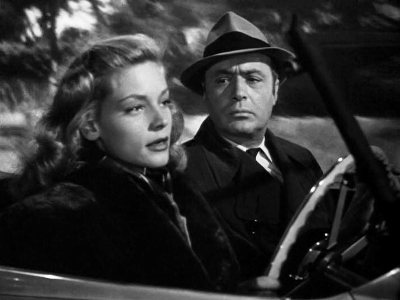
“I’ve been beaten, robbed, suckered, betrayed – I’ve failed my mission – I’ve had enough. But that child was murdered, and for this someone is going to pay.”
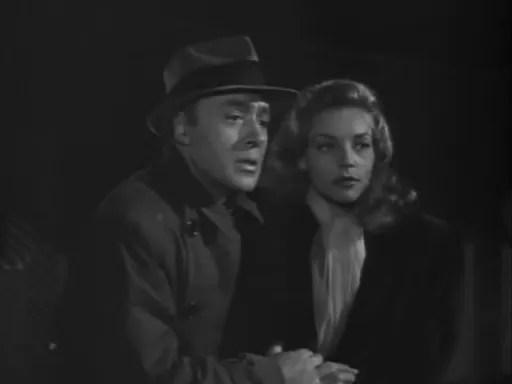
England, 1937. Once a concert pianist, ‘Luis Reynard’ (Charles Boyer) is now an agent of the embattled Republican government of Spain, sent to England on a mission to purchase coal and thereby deny it to the Fascist rebels, who are already getting military help from Germany and Italy. He meets ‘Rose Cullen’ (Bacall), an indolent rich girl whose father is one of the industrialists he wants to strike a bargain with. Dealing with the bitter Rose is taxing, but Reynard’s progress is repeatedly threatened by Fascist agents, who’ve managed to turncoat his contacts.
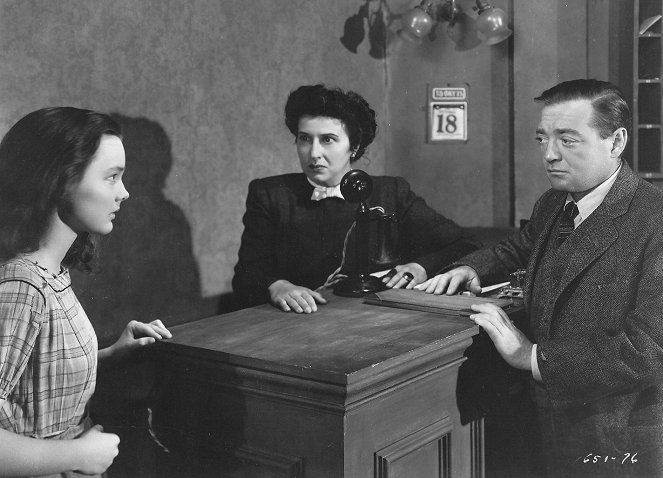
Herman Shumlin directed, Robert Buckner (Dodge City, Yankee Doodle Dandy) wrote the screenplay. Shumlin was a long established Broadway producer and director who’d scored a big hit two years earlier with his first film project Watch On The Rhine. After Confidential Agent, he abandoned movies and returned to the stage with continued success. Apart from failing to coax a convincing performance from the badly miscast and unready leading lady, Shumlin did well by his assignment; the rest of the cast, their script and the production details mesh most effectively. Bacall—who had pleaded not to be cast in the part—recovered from withering notices—she’s dire on a Jill St. John level—and rapidly improved. **
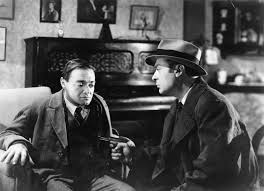
One inexperienced actress, even younger, Wanda Hendrix, does admirably in her debut at 16, playing an English girl who helps Luis after he shows her some kindness: she’s suffered abuse at the hands of her witch-like employer, one of the traitorous contacts. That venomous schemer is put across with vital malevolence by Katina Paxinou, and she’s assisted in her dark needs by Peter Lorre, crafting one more entry in his great gallery of whining weasels. Colorful ‘international’ types are smoothly conveyed by George Coulouris, Victor Francen, George Zucco, Ian Wolfe, Dan Seymour and Miles Mander.
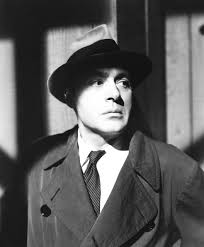
Best of all, this suspenseful, sober-minded drama makes an excellent showcase for Boyer, 46, who emanates compassion and decency as the resolute, loss-scarred hero, done not as a dashing rogue but as someone believably worn and worried by what appears to be a desperate, likely lost cause–and, yes, he’s easily convincing as as a Spaniard. The movie also reminds us that WW2 had several rehearsals.
Photographed by James Wong Howe, scored by Franz Waxman, running 118 minutes. ***
Er, make that ‘stew’
* Better late than never, way late—it took 42 years, 30 of them stained by Franco’s fascist dictatorship, before this movie made it to Spain, finally shown there on TV in November, 1987.
** Excuse us for trying—Greene in 1979: “This remains the only good film ever made from one of my books by an American director and Miss Bacall gave an admirable performance and so did Charles Boyer.” He may have been a great writer but ‘Bacall and admirable’ in the same sentence calls into question his veracity as a judge of acting talent. At any rate, the author was never the biggest fan of the USA. For the record, as of 2026 thirty-one movies have been made from Greene’s works, with nine directed by Americans, eleven if you count emigres Otto Preminger and Fritz Lang.
 Movies ala Mark