
THE BUTCHER’S WIFE, a sweet-natured romantic comedy with a charming cast, was a flop in 1991, indifferently reviewed (no surprise, it wasn’t bitter enough for chronically sour critics), and the anemic $9,690,000 gross, stalled on spot #96 for the year, was cyanide after a production cost of $18,000,000. Even the leading lady dinged it. We see this an example of what we’ve deemed ‘Orphan Movies’, pictures that unfairly get tagged with a lame rap but often eventually win a loyal fan base afterlife. The snitty critics, an incurious public and a miffed star all missed the boat.

“My wife is going off the deep end… a short trip for her.”
Gifted with clairvoyance, certain her “split-apart” will show up, ‘Marina’ (Demi Moore) is positive he has when ‘Leo Lemke’ (George Dzundza) turns up on in a rowboat on the North Carolina beach she lives by. Married in a ‘New York Minute’, they whisk sway to Leo’s home, which happens to be in New York City, more precisely the West Village in Manhattan, where Leo owns a butcher shop. In appearance, age, backgrounds and interests they’re unalike, but both are kind, hopeful and sincere. They’re also increasingly puzzled by their situation and ‘togetherness’ when Marina’s ‘touch’ reaches others in the neighborhood, including ‘Dr. Alex Tremor’ (Jeff Daniels) a self-satisfied psychiatrist, his dissatisfied girlfriend ‘Robin’ (Margaret Colin), mateless dress shop owner ‘Grace’ (Frances McDormand), who is Alex’s sister, and timid church choir teacher ‘Stella’ (Mary Steenburgen), who secretly yearns to “sing the blues“.

“Are you women always one step ahead? It’s kinda spooky.”
With so many modern era comedies that insist on bringing switchblades to a marshmallow roast, it’s a warm bath of relief to relax into a yarn where you actually like all of the characters, care what happens to them and fully appreciate and enjoy the performers who inhabit them. The hope-affirming script from Ezra Litwak and Marjorie Schwartz plays gentle with that everlasting, universal Love & Longing For It theme that our silly species fusses over. They add just enough barbed fencing for spice and don’t descend into the Screenplay 101 trapdoor of lazy leers, jaundiced jeers or faux-felt tears, letting you enjoy the ride and exit with a smile, grateful you have someone to share it with or pinching yourself back into the game believing that, yes, there is someone for you. Out there. Waiting.

Though he and arrived-diva Moore clashed, Terry Hughes, known for copious TV work, did a sleek job directing his only feature film (he’d co-piloted nine years earlier for the concert sequences of Monty Python Live At The Hollywood Bowl), getting keen assist from cinematographer Frank Tidy (The Duellists, Dracula), shooting in New York City and in North Carolina at Cape Lookout National Seashore and Bald Head Island. The story’s wistful mood is nicely scored by Michael Gore (Fame, Terms Of Endearment) and Steven Jae Johnson (A Million To Juan), not getting overly cute like too many rom-com soundtracks, and they smoothly back Steenburgen’s emerged church mouse when she does justice to standards “Romance In The Dark” and “What’ll I Do”.
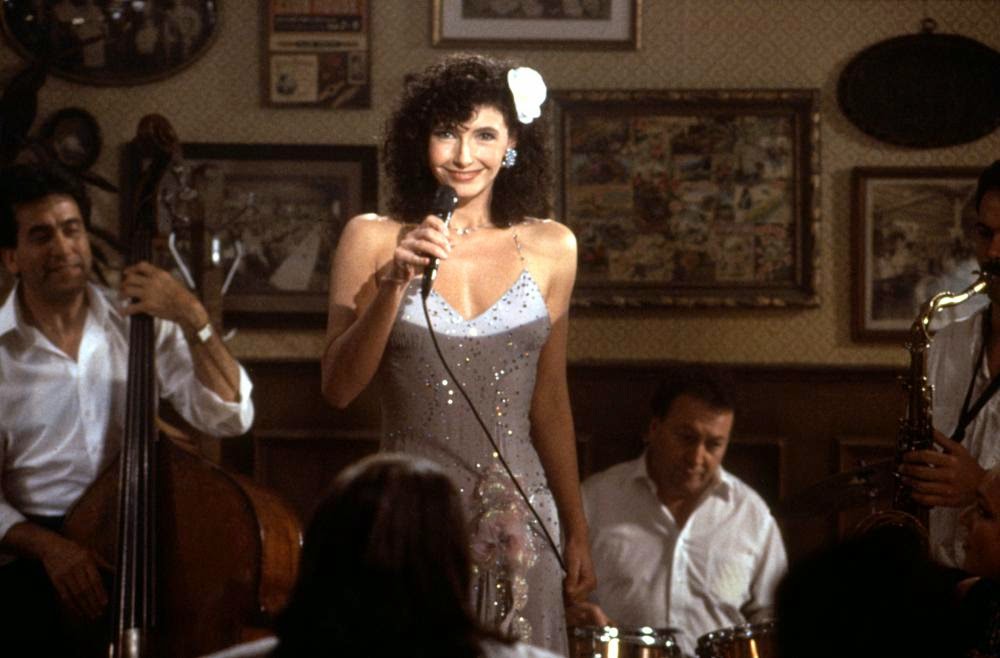
You can never go wrong with Daniels, Steenburgen, McDormand or the equally sharp, somewhat less-heralded Colin, all of them experts at gilding a line of dialogue with several shades of meaning. As the literally washed ashore, love-harpooned Leo, the malleable Dzundza, 45, adds average-guy amiability to a portrait arsenal that holds garrulous buddy (The Deer Hunter), dependable partner (Basic Instinct) and vicious commander (The Beast). But they all revolve around Moore, 27, in her last of three 1991 releases that followed the previous year’s smash Ghost. The aptly titled Nothing But Trouble was just that, a catastrophe (not her fault), while Mortal Thoughts was an okay thriller about relationships far removed from those in this semi-fantasy. Adopting a soft Southern accent (a touch of Dolly Parton mixed with Sissy Spacek’s Coal Miner’s Daughter), her hair dyed blonde, she’s luxurious and luminous as Marina, forthright, guileless and glowing. She wasn’t fully satisfied with the film, and she drew inevitable flak from some reviewers (they never gave her much credit): we think she’s excellent in this role, a winning portrayal in an overlooked and rewarding treat.

Throw in a shout-out to casting director Gail Levin (Jerry McGuire, Almost Famous), who was eagle-eyed in picking bit players and extras who make more of an impression than those unsung ‘atmosphere’ elements are generally allowed to do.
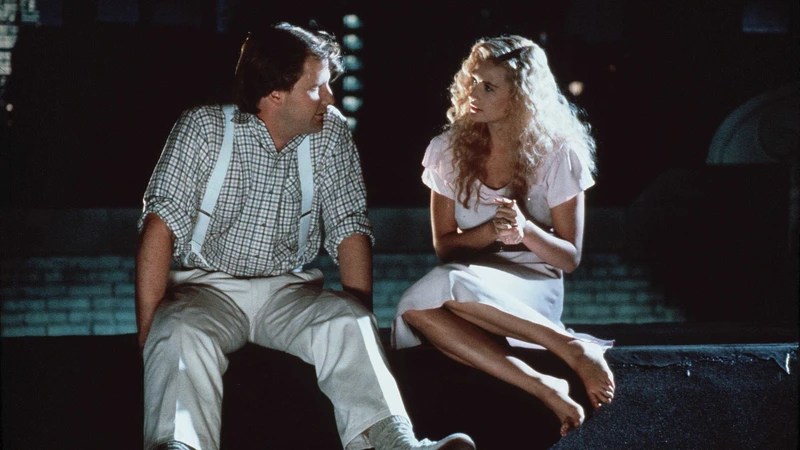
Running 107 minutes, with Max Perlich, Miriam Margolyes, Christopher Durang, Luis Avalos, Helen Hanft, Diane Salinger and Elizabeth Lawrence (as ‘Granny D’Arbo’).

 Movies ala Mark