
TO LIVE AND DIE IN L.A. injects a slick $6,000,000 shot of 1985 testosterone-mainlined dudecapade baloney, fastening Miami Vice vibing onto some of the less attractive corners in the Los Angeles sprawldom. After four projects in a row (Sorcerer, The Brink’s Job, Cruising, Deal Of The Century) that failed commercially, critically or both, director William Friedkin yanked back some of his The French Connection mojo with a kinetic, relentlessly cynical actioner that whets the appetite, assaults the retina and b-slaps logic (the pesky “think about it for a minute” part), often accomplishing all of that simultaneously, basically raging (or snorting) the 80’s in your face. Willing audience donations of $17,300,000 registered 51st on the year’s loot list; critical response ranged from ecstatic to repelled. Current retrospective buzzing goes ballistic with fanboy gushes of praise, pretty rich considering how—we self-quote—“goddamn ridiculous” it gets. Sure, it’s often cool, but past the brilliantly done opener sequence of counterfeiting it’s about as close to cop v. crook reality as Dick Tracy. And duh, this is “the one where the car chase goes the wrong direction down the freeway”. Spectacularly.

After his partner is blown away by a master counterfeiter, perpetually psyched Secret Service agent ‘Richard Chance’ (William Peterson) goes warp speed ahead to nail the uber-connected killer, with legal procedure, elementary public safety and codified justice taking a backseat to ego impulse, extensive collateral damage and white hot vengeance. Chance takes being a cocky hotshot to extremes, using and abusing rules, people, vehicles and the literal terra firma of the city so far past reprimand or suspension stage that it’s surprising the San Andreas Fault didn’t slip.

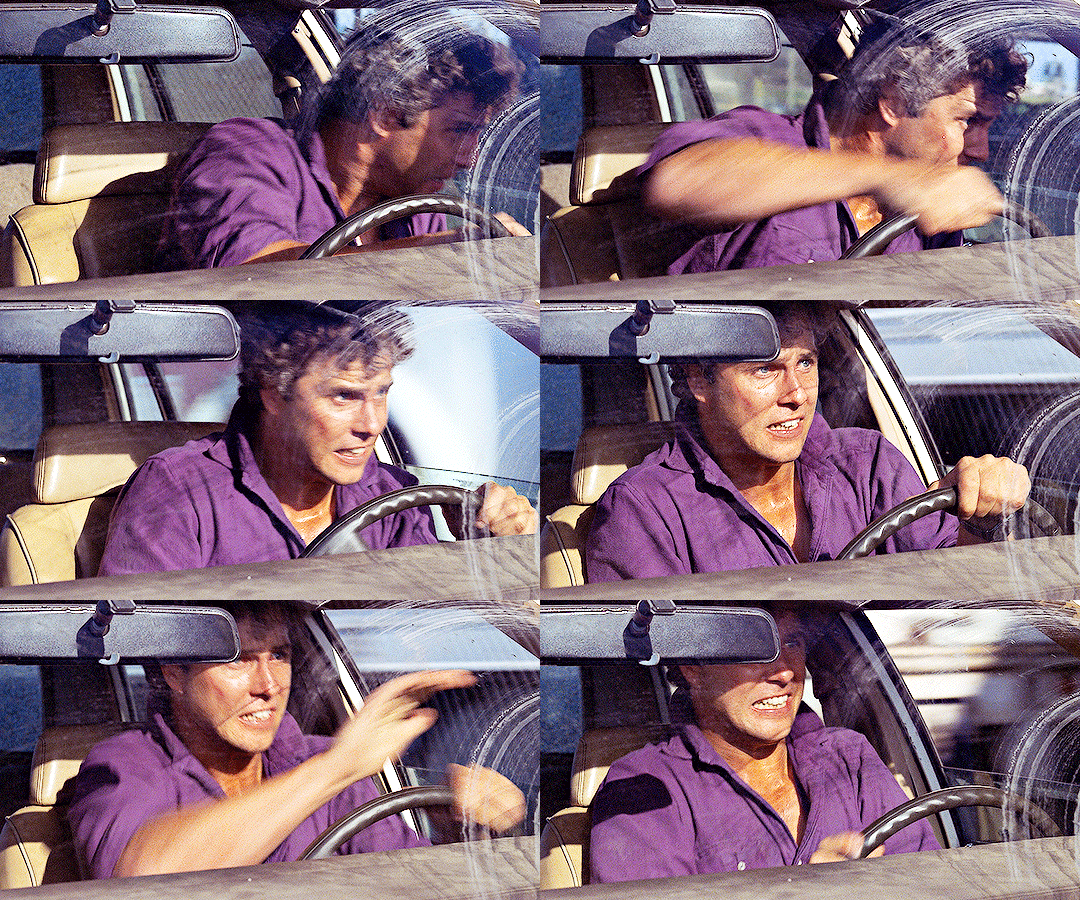
The role was a rocket launch for Peterson, 31, who had only logged one bit part (in Thief), his swagger and galvanic energy having a counterpoint in bad guy quarry ‘Rick Masters’, done with icy creepiness by 29-year-old fast riser Willem Dafoe. The supporting cast is a mix of able and iffy, enjoyment of the music score from Wang Chung may depend on nostalgic fondness for their sound (their signature hit “Dance Hall Days” is missing in action, a bummer), while Robby Müller’s heat reflecting cinematography is a decided plus. The frantic foot pursuit in LAX is neatly done and Friedkin, aiming to top his legendary car chase from The French Connection goes berserker crazy with the eight-minute auto rampage in this one, exhilarating beyond doubt and the definite showstopper highlight of the film. Chance’s chances inflict more damage to property and civilians than a riot; ooh, aah, gasp and giggle over the stunts, but check any semblance of likelihood at the padded cell door.

The downside to all the faux grit and ‘street real’ attitude is that the script that Friedkin co-wrote with Gerald Petievich is shallow pretending to be deep, profane posing as honest, nihilistic and heartless with barely anyone to care about. Petievich was a member of the Secret Service for 15 years, retiring after his 4th novel was published, 278 pages that intrigued Friedkin and sprouted the movie. Subsequent adaptions of his thrillers (Boiling Point and The Sentinel) crashed and burned. The show has attitude galore, but reviews that prattle about its ‘authenticity’ would get horse laffs from policemen.

With John Pankow (as Chance’s new partner, a weirdly unconvincing casting choice, almost anti-gravitas), John Turturro (27, being a dick; his 5th feature gig and first substantial one, demonstrating he had the stuff), Debra Feuer (sex object duty, Tough Chick Pose Dept.), Darlanne Fleugel (ditto sex object duty, Used & Abused Dept.), Dean Stockwell (oddly not too good here as a crooked lawyer), Michael Greene, Steve James, Valentin de Vargas (nice to see him back, albeit in a small part), Jane Leeves (23, eight years before Frasier) and Gary Cole (29, blink & miss feature debut). 116 minutes.


 Movies ala Mark