
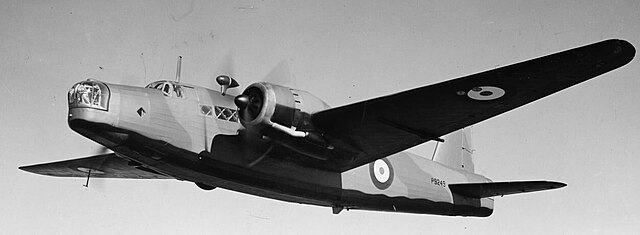
ONE OF OUR AIRCRAFT IS MISSING finds the right lot of RAF chaps making their way thru Nazi-occupied Holland after bailing out of their Vickers Wellington bomber, pasted by flak during a raid on Stuttgart. The six representatives of British national resolve, martial spirit and precisely measured manners had the bad luck to get shot down over enemy-held territory. Fortunately they’re blessed that the Netherlander civilians whom they rely on for aid are as hardy as they are welcoming, assuring the chipper crew with defiant statements like “Do you think that we Hollanders who threw the sea out of our country will let the Germans have it? Better the sea.”
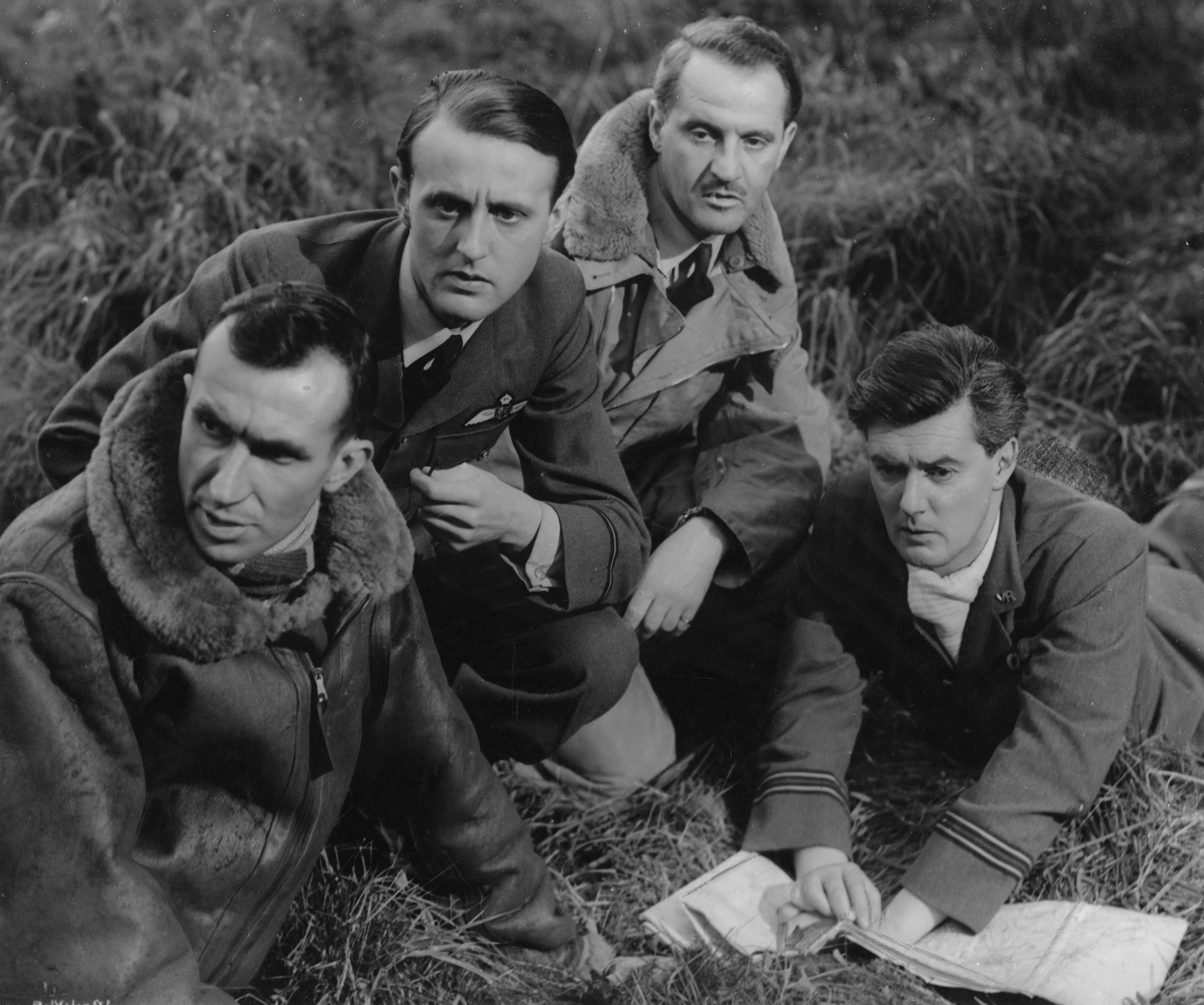
High-quality morale messaging from 1942, a beacon of camaraderie, skill and intent searchlighting a dark year. Following their Canada-set adventure epic 49th Parallel, this salute to the RAF and a captive but indomitable ally was written, produced & directed by Michael Powell and Emeric Pressburger, their fourth collaboration and the first under their company banner The Archers. Fittingly, in the tradition of English bowmen, they unerringly hit their targets. Put together for £70,000 (£4,214,806 in 2025), on home sod it became the 8th most-seen film of 1942, then in the rallying States it grossed something like $1,435,000 and received Oscar nominations for its optimistic Screenplay and the neatly racked up Special Effects. Future directors Ronald Neame and David Lean were vital members of the team, Neame as cinematographer, Lean as editor.

The crew of ‘B for Bertie’: Hugh Williams, Eric Portman, Hugh Burden, Bernard Miles, Emry Jones and Godfrey Tearle. The Dutch: Googie Withers, Pamela Brown (24, exceptional in her debut), Joyce Redman, Peter Ustinov (debut, 20, actively serving in the Army, and thin), Robert Helpmann (as a swinish Nazi collaborator) and Hay Petrie. Also on hand: Roland Culver, Robert Beatty, James Donald and Gordon Jackson (18, debut).
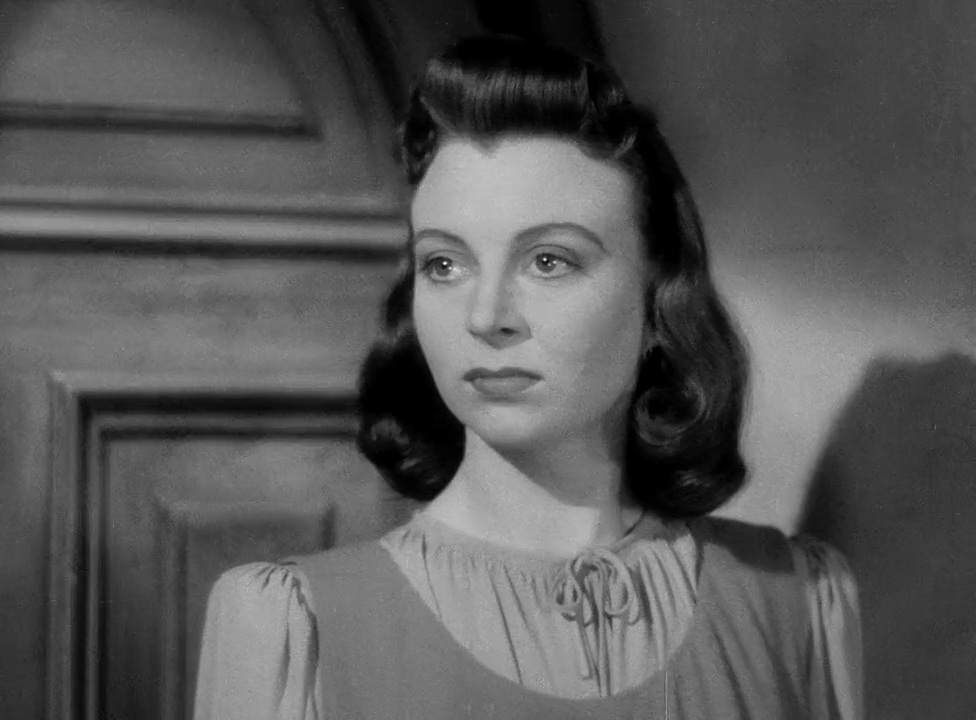
Pamela Brown, 1917-1975
The gentleman gunner played by 57-year-old Godfrey Tearle is based on Sir Arnold Wilson, a Member of Parliament. When the war started, he told the House “I have no desire to shelter myself and live in safety behind the ramparts of the bodies of millions of our young men.” Fifty-five at the time, he joined the RAF and trained as a rear gunner. On May 31, 1940 he was killed in action when his Vickers Wellington went down near Dunkirk.

As in all Powell-Pressburger productions, while the technical aspects are excellent (the lighting, art direction, special effects)—this entry has more of a documentary feel than others—the real detailing is in their gift for molding characterization and interaction, an accent on humanity rather than melodrama. The script makes a point of highlighting the strong Dutch female characters as smart, courageous and complex individuals, in charge and more than capable of dealing in danger since most of the able-bodied men have been taken away for forced labor. The cleverly created miniature sets and effects were used for the raid on Stuttgart sequence (the German city was picked because Pressburger had studied there and didn’t care for it; the “cradle of the automobile” was bombed 53 times during the war), and there’s a novel scene done on a “lobster pot”–anchored, floating steel platforms in the North Sea, used as rescue pods for downed fliers. The movie runs 103 minutes. For some reason the American cut had 20 lopped off.

Verily, Sir Peter Ustinov was once 20


 Movies ala Mark