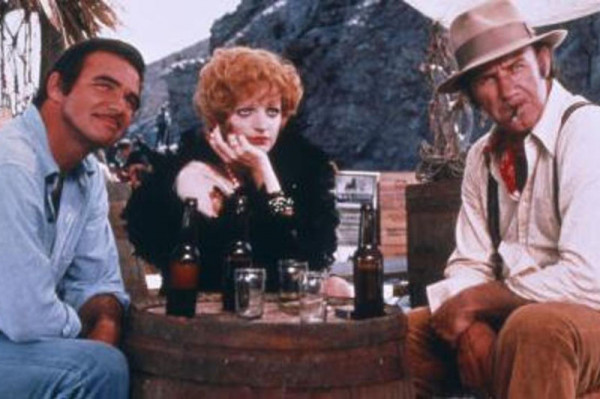
LUCKY LADY—the cross-your-fingers title sends an “Iceberg, dead ahead!” warning. No one—scornful critics, shrugging audiences, stymied cast, stifled director and stigmatized studio—were happy with how this 1975 elephant tromped out, artistically and financially. Three big stars (Gene Hackman, Burt Reynolds, Liza Minnelli), a vetted director (Stanley Donen), a setting and storyline that hadn’t been used, with a comedy-action-romance script delivered from married couple Gloria Katz & Willard Huyck, new ka-ching! pets hot off the smash American Graffiti. What could go wrong? Other than Sea of Cortez scenery, some stunt work and a ton of impressive detonations—pretty much everything else. *
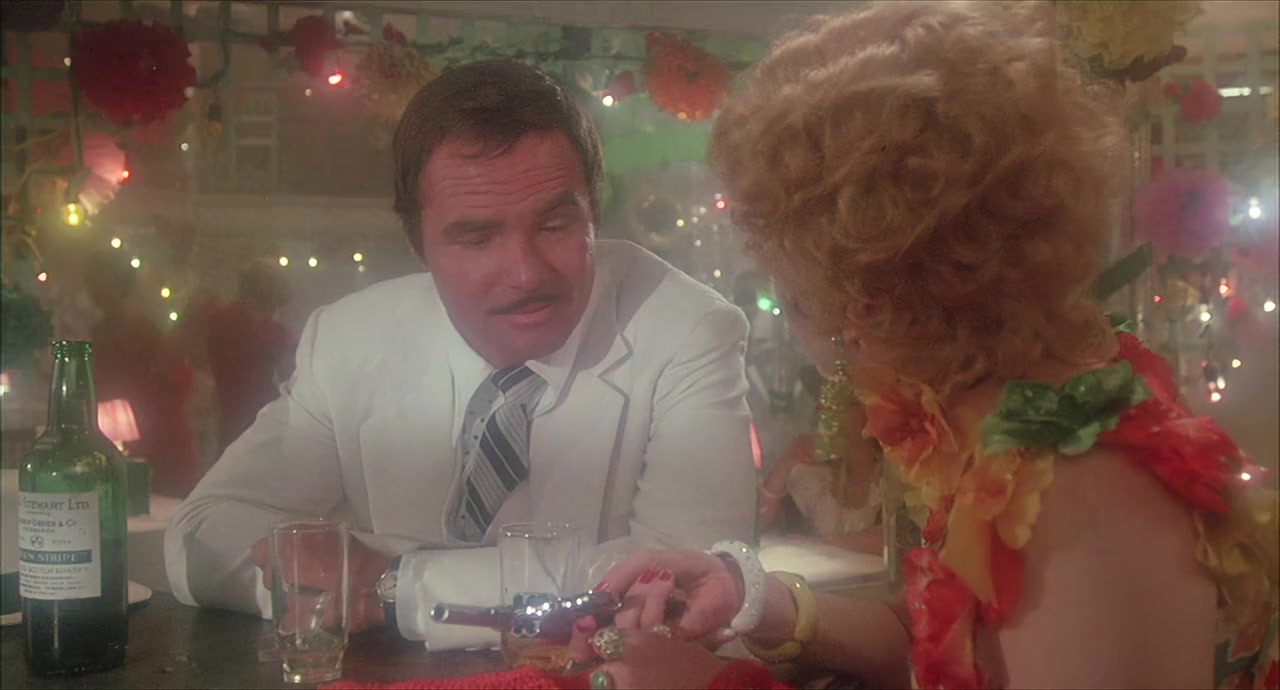
Mexico, 1930. Recently widowed Tijuana bar owner/singer ‘Claire’ (Minnelli) and her lover ‘Walker Ellis’ (Reynolds) botch a deal to run illegal immigrants across the border (‘comedy’ thrown out the window from the get-go) only to decide on running booze by sea to the ever-thirsty, Prohibition-afflicted Estados Unidos. Taking on wary partner ‘Kibby Womack’ (Hackman) and shy teenage sailboat skipper ‘Billy Mason’ (Robby Benson) they risk their cargo of prime hooch, their sleek vessel and their lives (not worth much) trying to evade or fight off the US Coast Guard and well-armed gangster rum runners. After an interminable 118 minutes the waterlogged circus sinks to a merciful finish.
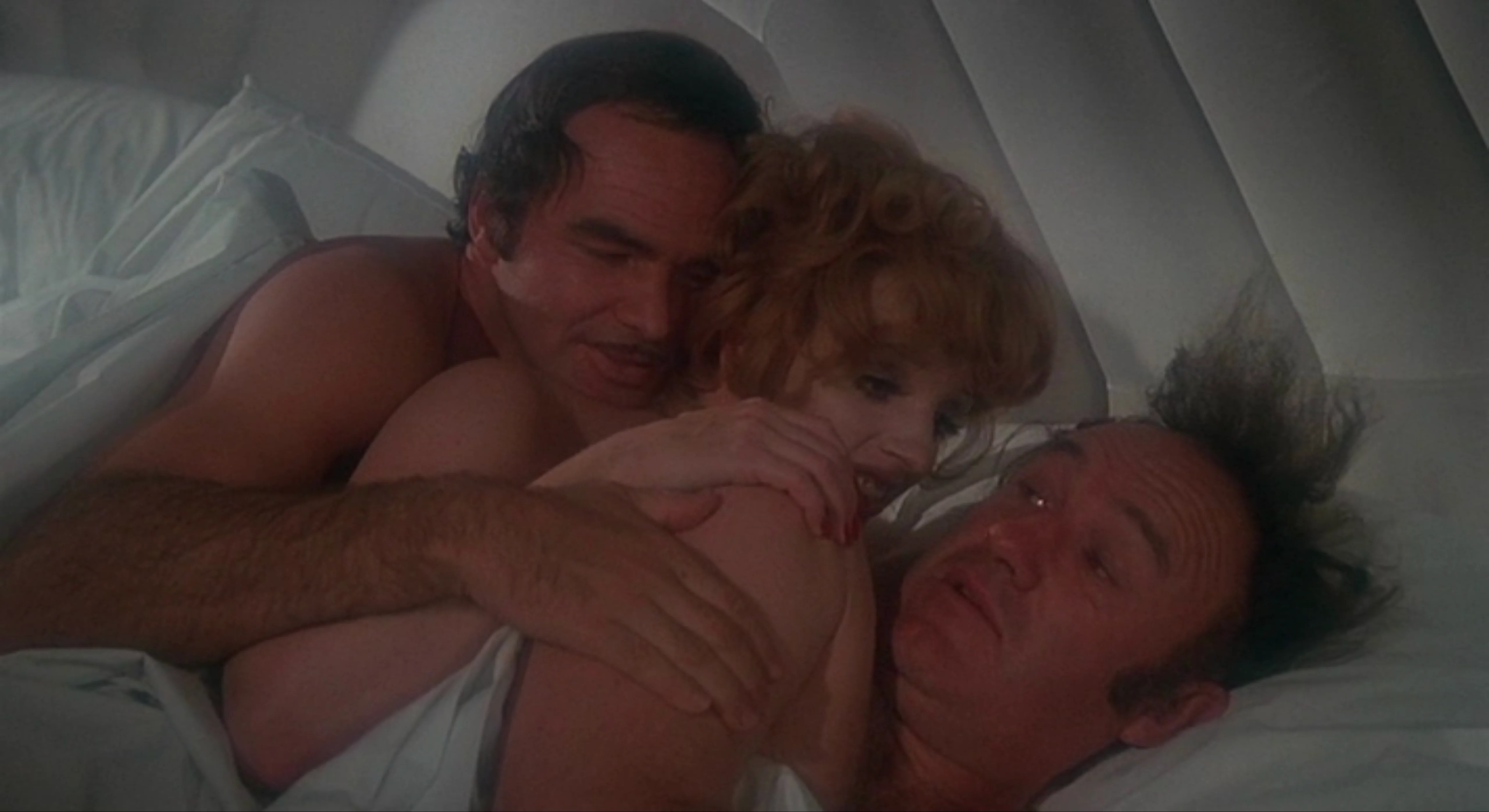
Trying to figure out how to finish it was one problem: Donen said “we had four endings and none of them worked”. The actors were irked with the changes, he’d been at adrift at sea (shooting on water always a migraine), the budget ballooned up to at least $13,000,000. Judging by what’s on screen, it’s hard to see what any of them saw in the script other than the basic idea: while writers Katz and Huyck can be knighted for American Graffiti (they also did some uncredited polish on the first Star Wars) it must be acknowledged that they also would later be responsible for the quack known as Howard The Duck. The dialogue is lousy, the jokes leaden, the characterizations depthless, Minnelli’s supposedly desirable dame is so abrasive and screechy that Shirley MacLaine would blanch. Donen lets the tone wobble from daffy to violent, including the point-blank slaughter of the one decent character (even if he is Robby Benson). The opulent sets seem chosen merely to play with the art direction as opposed to grounding their placement in even half-reality. The Guaymas, Mexico locales are pretty but normally sharp cinematographer Geoffrey Unsworth does so much hazy filter affect jazz (a Donen insist?) that it makes you feel like you’re constantly squinting into the sun. The big action scene is a multi-boat melee but as the chaotic full-scale battle is underway, with copious gunfire, exploding boats and lots of casualties, the music score idiotically plays a merry “When The Saints Go Marching In” to goose the bloodshed and destruction derby. Those turquoise seascapes, a platoon of daring stunt men and the blast-everything-to-smithereens special effects crew earn the only plaudits.

Find a way to resist
Hackman coasts thru, collecting a cool $1.2 mil and looking like he wishes he was anywhere else. He had another debit that year with the needless and depressing French Connection II, but the woofs were balanced out by Night Moves and Bite The Bullet. Burt can’t be faulted for trying, playing clumsy rather than cute and not deploying the look-at-me tells (smirks, gum chewing, high-pitched laugh) that he’d eventually work into the unemployment line; he’s just stuck with a character who is nothing more than a collection of stumbles. While the year dealt him a second uppercut with At Long Last Love—that wasn’t his fault, blame director Peter Bogdanovich— he could console himself with two hits, the gritty cop drama Hustle and the sleeper comedy W.W. and the Dixie Dancekings, which grossed eight times its cost. Minnelli came off worst; this aggressively unlikable part in a schizophrenic flick started a Liza slip’n slide, following with A Matter Of Time and New York, New York, both of them devouring money, fazing critics and starving audiences.
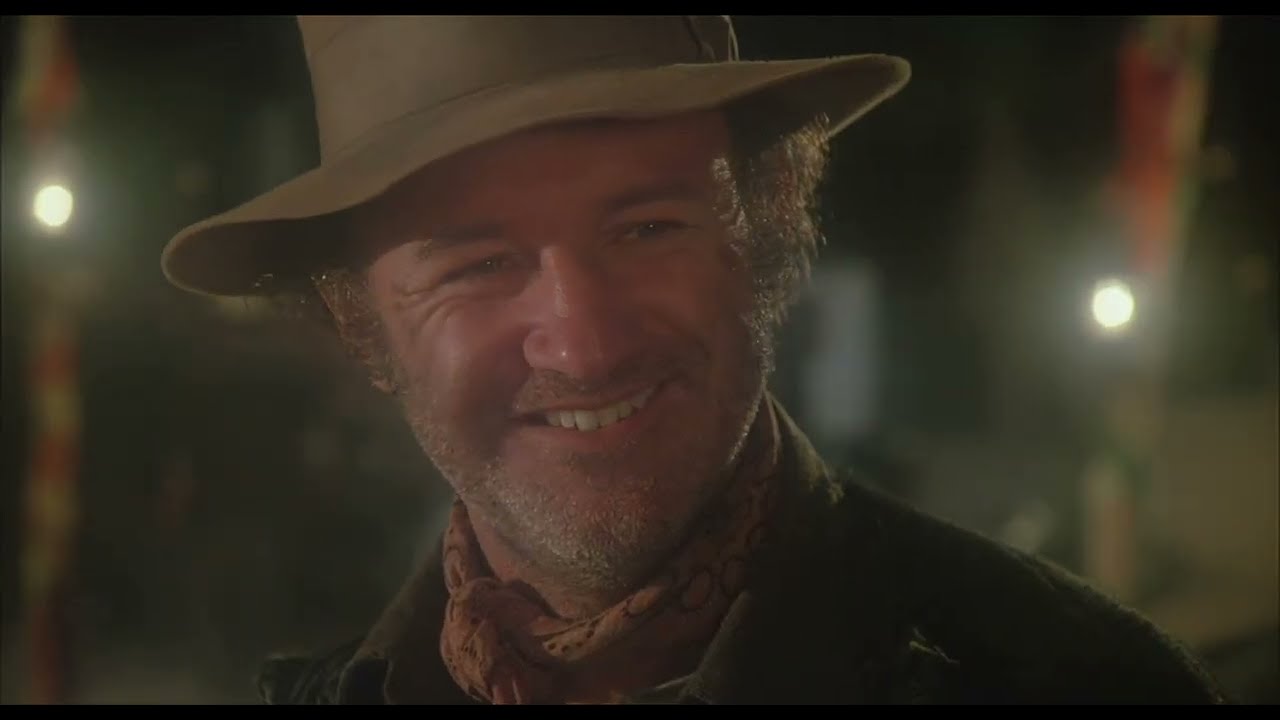
Released on Christmas Day, to withering reviews. Among the unlucky in supporting roles: John Hillerman (poor choice for lead villain), Geoffrey Lewis (playing way too big, and stuck with terrible writing), Michael Hordern (wasted), Anthony Holland, John McLiam, Val Avery, Emilio Fernandez.
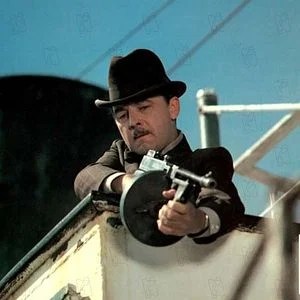
Aiming at his agent
* It figures—ah, yes, the numbers gaming raises its hydra heads. The legend of this luckless loser is that it was a bomb, and any review you read seconds that. Donen (who was hurt by the response) said it did eventually make a profit. Production costs are cited as $13,000,000, possibly as much as $22,000,000. Cogerson gives the gross as $38,500,000, the IMDb as $24,441,725. If the $13,000,000 is correct, the usual rule is to add at least that much for prints & ads, thus $26,000,000+. The discrepancy between the two gross citations is a whopping $14,058,275. “Lucy, you got some splainin’ to do…”

Apt.
 Movies ala Mark