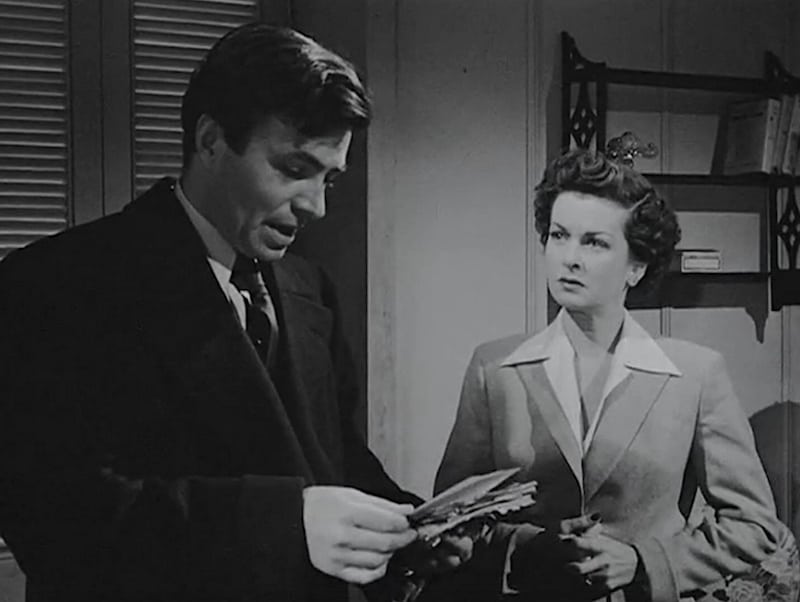
THE RECKLESS MOMENT was director Max Ophüls last American movie; its critical and box office failure in 1949 was the wound that sent him back to France after a nine-year stay. He got to the States in 1941, yet didn’t make a picture until 1947’s The Exile. That, Letter From An Unknown Woman and Caught (also 1949) all died with myopic critics and lackluster audiences. Then this thriller dropped 39 places lower in receipts than Caught, and thus was delivered a coup de grace from Hollywood. Along with his successive European films La Ronde, Le Plaisir, The Earrings Of Madame de...and Lola Montès, all four of his once-slighted US endeavors have come to be appreciated, even treasured.
“Hell is other people…”
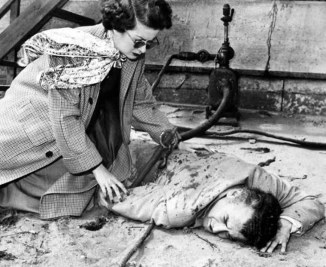
Postwar Southern California, almost Christmas. Husband away on business, ‘Lucia Harper’ (Joan Bennett, 39) is alarmed enough by her 17-year-old daughter ‘Bea’ (Geraldine Brooks, 24) seeing an unsavory older man that she drives from the family beach-side home in Balboa up to confront him in his seedy digs in Los Angeles. When she tells Bea the truth about ‘Ted Darby’ (Shepperd Strudwick, 41, perfectly oily) the defiant girl taunts her with “When you’re seventeen today, you know what the score is.” The louse shows up and lets Bea see how low of a low-life he actually is: she hysterically clobbers him with a flashlight. Investigating, Lucia finds Darby dead on the beach, impaled on the anchor of their motor boat. To protect distraught Bea, she desperately disposes of the body. Then two things happen. The corpse turns up, prompting a police investigation. And a stranger, a suave Irishman named ‘Martin Donnelly’ (James Mason) arrives, demanding Lucia pay $5,000 Darby owed to ‘Nagel’, Martin’s loan shark senior partner. Otherwise, scandal-bait letters Bea wrote to the deceased crook will go to the newspapers and cops. Tidy blackmail in time for the holiday, and with her husband gone, Lucia has to somehow make this sudden nightmare go away while hiding the truth and untruths from the rest of the family. On top of it all, the serious yet not unsympathetic Martin displays some feelings for her.

The screenplay by Henry Garson and Robert Soderberg was based on “The Blank Wall”, a novel from crime story specialist Elisabeth Sanxay Holding. Ophüls shot on location in pre-freeway Balboa, Newport Beach and Los Angeles, his gliding camera this time wielded by Burnett Guffey (he did All The King’s Men and Knock On Any Door that same year). *
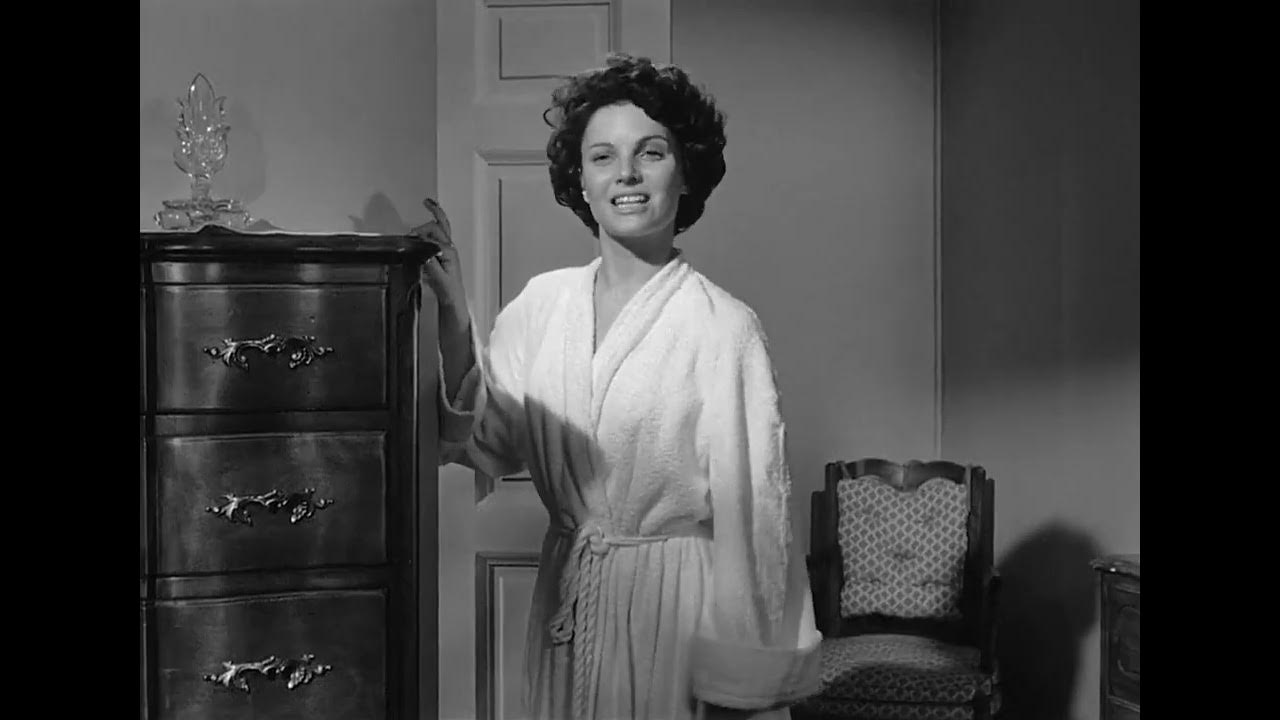
As Glenn Erickson notes in his review at Cine Savant, this marked Bennett’s move from ‘dangerously sexy’ roles to ‘mature’ motherhood parts that weren’t syrupy synthetic but wised-up and full-fledged capable. She excels as usual, though Lucia smokes so much that even in those cigarette worshiping days Mason’s antagonist feels compelled to scold her. As in his other movie for the director (Caught his US debut) Mason’s character wins audience approval, even though this time he’s on the shy side of respectability. Yet gallantry can emerge from unlikely recesses, and Mason was an actor who had the dexterity to pull seemingly contrary tendencies and impulses together into a coherent and emotionally accessible portrait. Brooks essays emergent sensuality, adolescent arrogance and subsequent abashed contrition.
Production costs tabbed $882,653. Box office was $2,000,000, 144th in noir-laden ’49.
82 minutes flows apace, with Henry O’Neill (garrulous grandfather ‘Tom’), David Bair (irksome son ‘David’), Frances E. Williams (helpful maid ‘Sybil’), Roy Roberts (brutish ‘Nagel’), William Schallert, Peter Brocco and Harry Harvey.
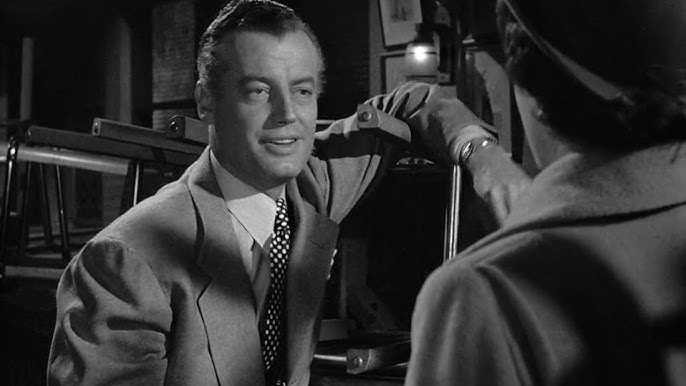
* Elisabeth Sanxay Holding (1889-1955) wrote 18 detective novels in the hard-boiled style, and no less than 143 short stories. Raymond Chandler called her “the top suspense writer of them all.”

 Movies ala Mark