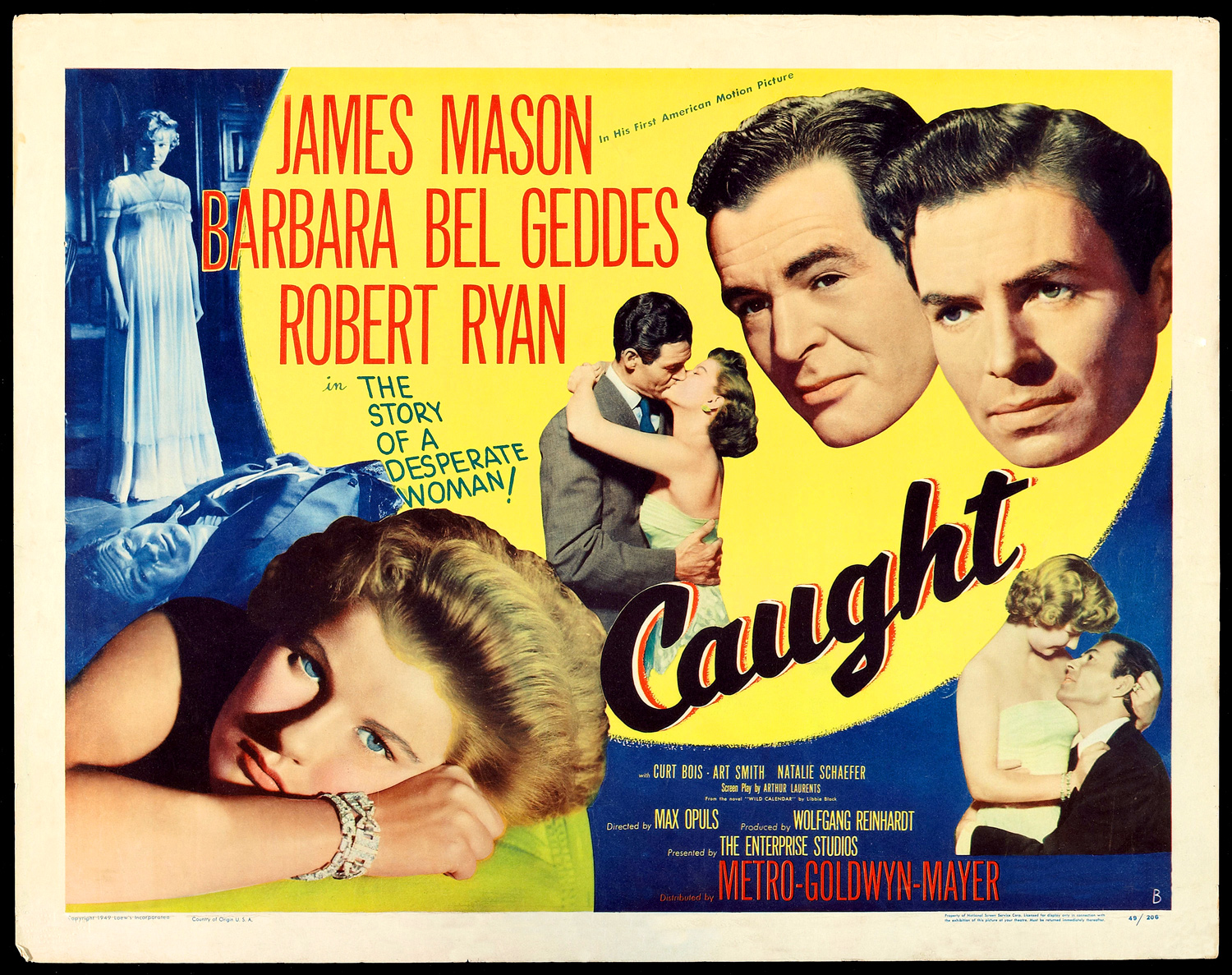
CAUGHT ensnares innocence with malevolence in a stylish 1949 blend of noir and melodrama from the gifted hands of director Max Ophüls, the third of his quartet of Hollywood productions made during a nine-year stay in the States. It was also the first US picture starring a new UK import, 39-year-old James Mason. *
“You have money you can always get people to swear to anything you want.”
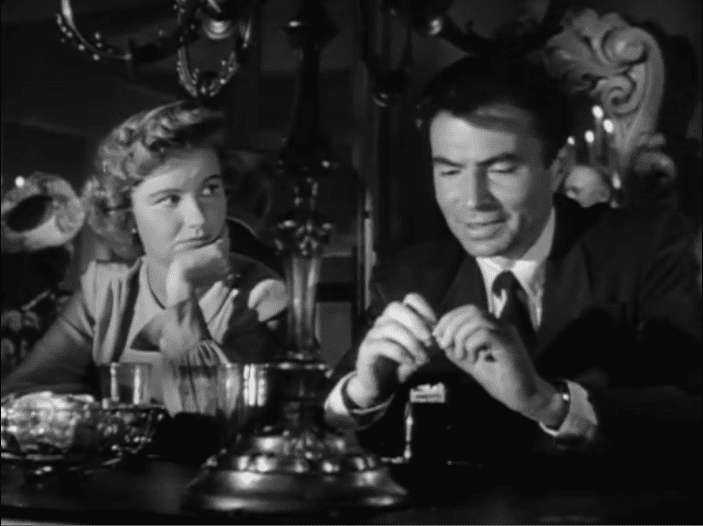
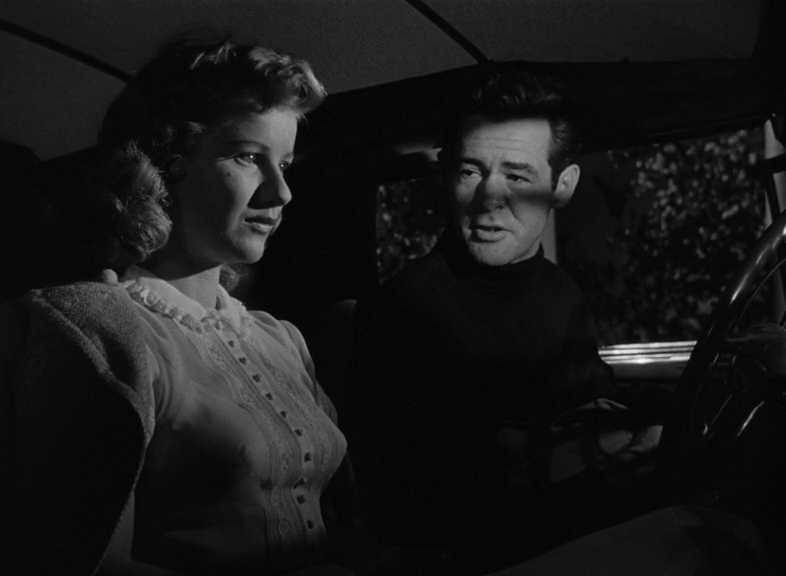
Model ‘Leonora Eames’ (Barbara Bel Geddes, 26) has gone to charm school but the imparted social graces haven’t polished her naivete. That trait, along with being susceptible to dangled wealth, has left her vulnerable to the chance to rapidly move up in social class when squired and desired by ‘Smith Ohlrig’ (Robert Ryan, 39), a rich industrialist with a commanding presence and manner. She surrenders to wishfulness. Soon enough, marriage to him is bleak (he regards her as another useful trophy acquisition) so she eventually bolts for freedom via a separation and hopefully some self-discovery. While Ohlrig broods in their Long Island estate—they’re still married—she’s hired as a secretary at a clinic in a poor section of New York City. She not only learns on the job, but finds a different type of man in pediatrician ‘Dr. Larry Quinada’ (Mason), who, while demanding about the job, is caring and thoughtful, selfless and attentive where her sarcastic, explosive husband is so driven by portfolio, prestige and power that he’s deranged. Her choices are complicated by pregnancy.
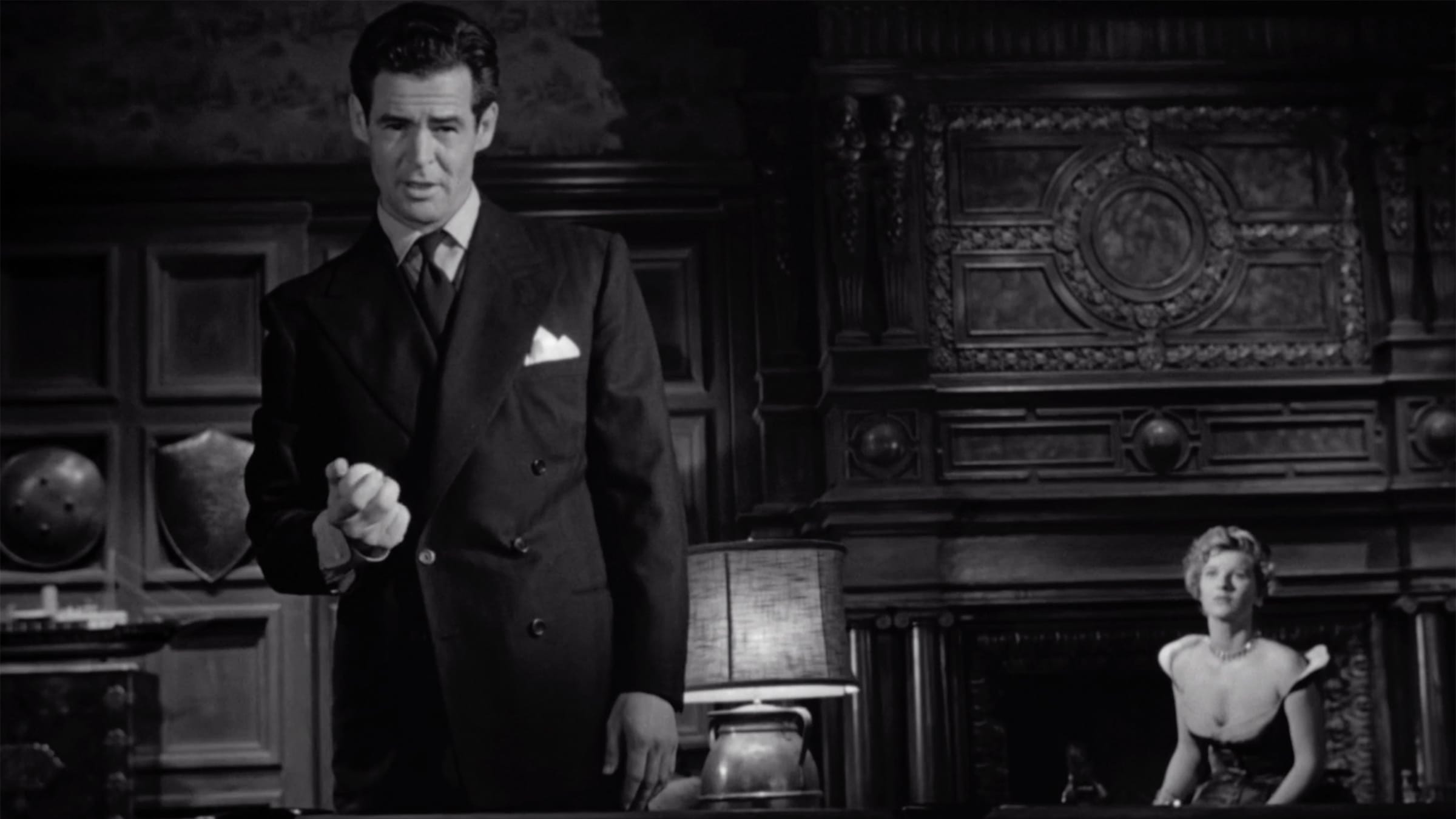
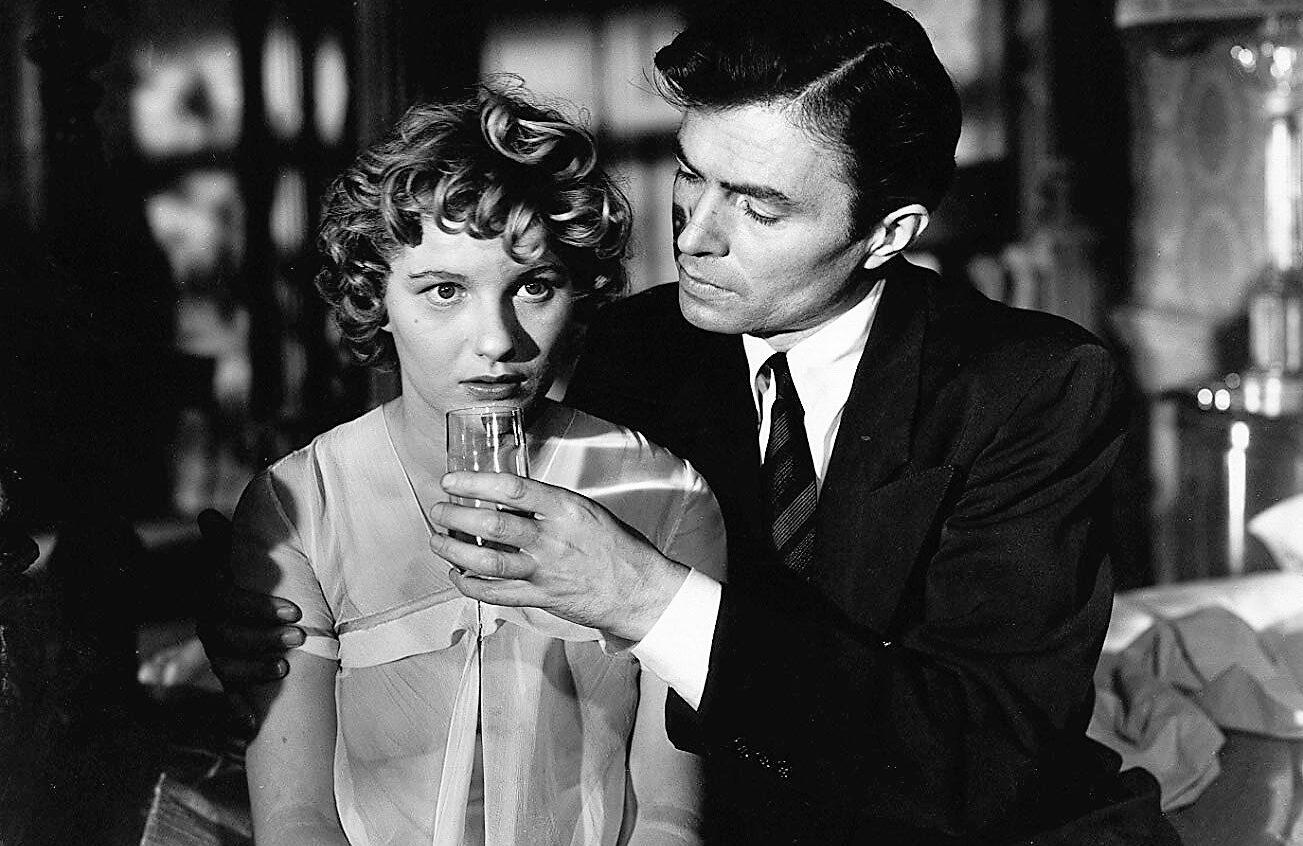
While it’s a bit of a reach to fully accept ‘plain’ Bel Geddes as a model, her acting is effective enough to nudge that aside and convey Leonora’s layers of confusion and hurt, realization and panic. Ryan has physical intimidation mixed with psychological insecurity down to a tee. Mason had made a name for himself in the UK playing rotters: his US debut allows a change of pace; it’s testimony to his quiet gravitas that he can share a confrontation scene with the imposing Ryan (five inches taller) and not sacrifice any authority.
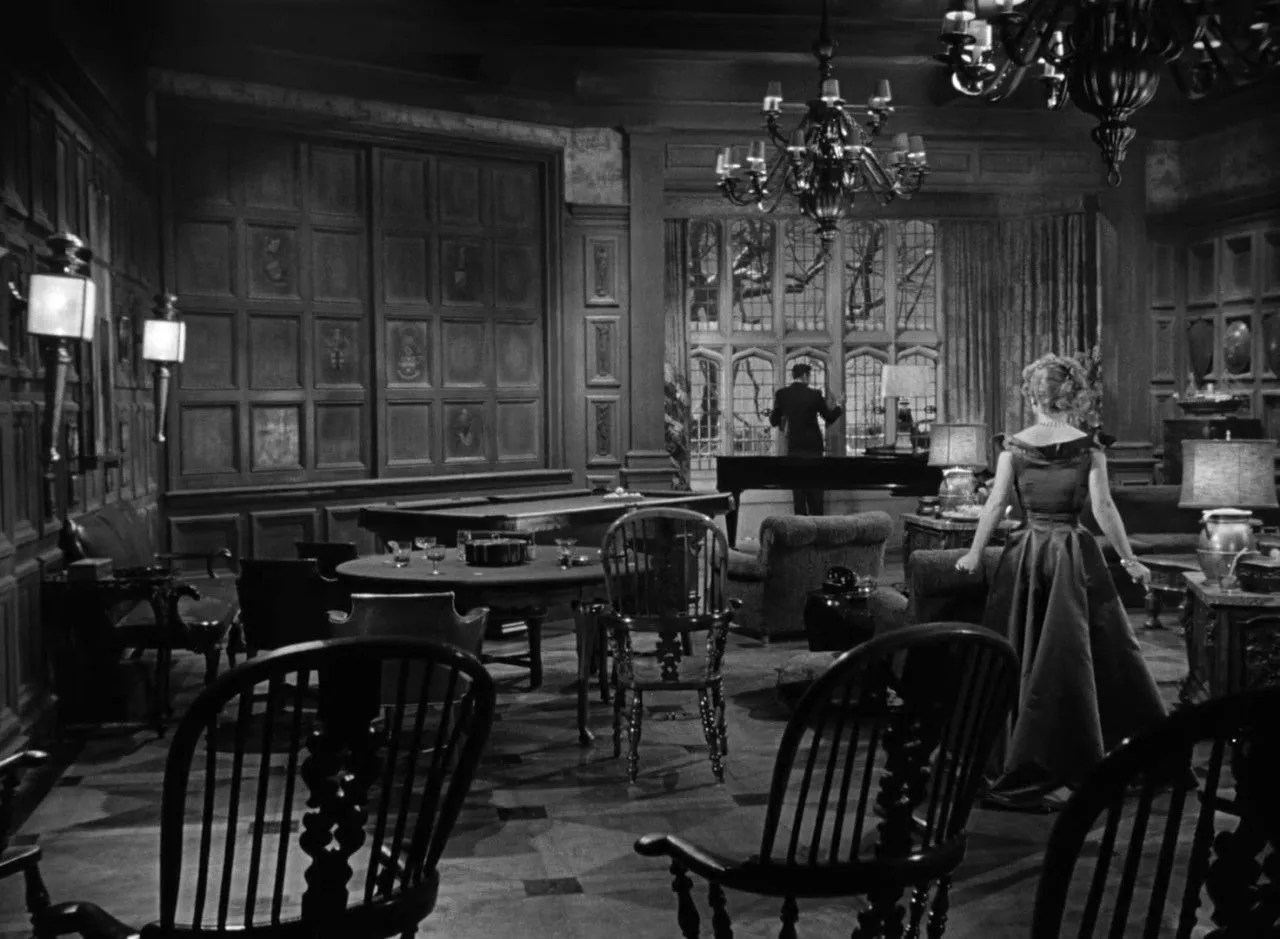
As in his other films, Ophüls effortlessly fluid direction (gliding camera movements highlight scenes content rather than call attention to the technique itself) is keenly observant and he was gifted with a superb cinematographer in Lee Garmes (Shanghai Express, Gone With The Wind, Duel In The Sun, Nightmare Alley, Land Of The Pharaohs), a master of lighting to suit mood.
Arthur Laurents screenplay was based (quite loosely) on “Wild Calendar”, a novel by Libbie Block. Block’s 356-page novel (she wrote two, and two hundred and fifty short stories) took American society and its advertising wing’s ceaseless avalanche of songs, movies, magazines and books to task for selling “happily ever after” fantasies to young women. The 88-minute adaptation streamlines the story by eliminating characters and changing locales but the what’s-off-with-our-ideals? theme comes thru. Yet despite the strong acting, inspired direction and polished look of the film, reviews at the time dissed and mediocre audience response dinged it as a dud. So much for expert acumen and collective taste. Like Ophüls next, last US effort The Reckless Moment (also with Mason) and his previous, underrated The Exile and the marvelous Letter From An Unknown Woman it’s now held in high regard. **
Made at a cost of $1,570,422: box office ranking from ’49 was 105th. Cogerson gives the gross as $3,500,000; other sources hint that might be too high.
With Curt Bois (‘Franzi Kartos’, Ohlrig’s lick-spittle flunky) Frank Ferguson (Mason’s obstetrician partner, a bigger role than usual for this omnipresent character actor), Ruth Brady (a ringer for Evelyn Keyes or Virginia Grey, as Leonora’s status-hungry girlfriend), Art Smith (Ohlrig’s diagnosis-zeroing psychiatrist), Natalie Schafer (the ‘just-so’ charm school doyen), Barbara Billingsley (chic shopper) and Jimmy Hawkins (obnoxious child ‘Kevin’).
* Entitled?—-keep’em brief to bring’em in. Caught had 1949 noir-mates in Manhandled, Shockproof, Tension, Impact, Trapped, Abandoned and D.O.A. Not ‘whew!’ enough? Look at 1948’s—Rope, Relentless, Pitfall, Whiplash, Hazard, Moonrise, Ruthless, Bodyguard, Escape and for good, very-old-fashioned measure Hamlet and Macbeth.
** Cameraman Garmes, on Ophüls: “Without a doubt, I think he was one of the greatest filmmakers we had…A sweet, sweet man, he got a very raw deal in Hollywood. But if you look at Caught you’ll feel that the camera was looking through a crack of a window or a crack of a door, or that the camera was never placed in a spot in the whole picture that was conventional, like most directors do. He has a wonderful knack for saving his scenes and saying, ‘I think it would be nice to do it from here.’ And we’d do it from there.”
 Movies ala Mark