
THE LUCK OF THE IRISH begins with a rousing gust of blarney from composer Cyril Mockridge–his score is properly folkish throughout–setting just the right mood for the fantasy-comedy-romance that follows. Taking a break from his dramas and adventure epics, in 1948 Tyrone Power offered two selections of light-hearted fare. They weren’t big hits, doing merely okay business, and the other, the retread screwball junket That Wonderful Urge drew more patrons. This considerably better picture lagged 13 places behind, its $3,700,000 take placing 96th for the year. Charming, unfairly neglected, among its accomplishments was getting Cecil Kellaway an Oscar nomination for Supporting Actor. To date it’s the only nomination given to someone playing a leprechaun.

During a trip to Ireland, an auto mishap (trying to cross a creaky bridge over a stream and failing) puts journalist ‘Stephen Fitzgerald’ (Power) in the right spot at the right time to meet two people who will have an impact on his life…well, one’s a people, the sweet ‘Nora’ (Anne Baxter), the other is a supernatural being of the mischievous fairy sort. ‘Horace’ (Kellaway) follows ‘Fitz’ to New York City, where the restive American will take a job with a powerful publisher (Lee J. Cobb) gunning for political office, and marry that man’s ambitious daughter (Jayne Meadows). But Horace has other things in store for Stephen; then Nora arrives as well. Decision time meets Fate.
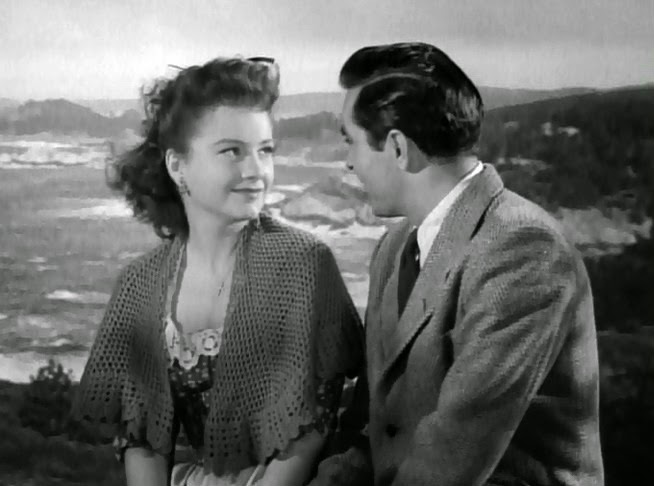
Philip Dunne’s screenplay was adapted from a 245-page novel titled “There Was A Little Man”, written by Guy Pearce Jones and Constance Bridget Jones. Henry Koster directed. A winning blend of humor, fantasy and romance that doesn’t ruin its spell with gooey sentiment, it has Power in typical fine form, playing to type as a cynic who gradually sees the light, Baxter gentle and appealing and Kellaway doing a grand job of physical comedy and not overdoing the whimsy element. The show deserves rediscovery.
99 minutes, with J.M. Kerrigan, Phil Brown and Harry Antrim.

 Movies ala Mark