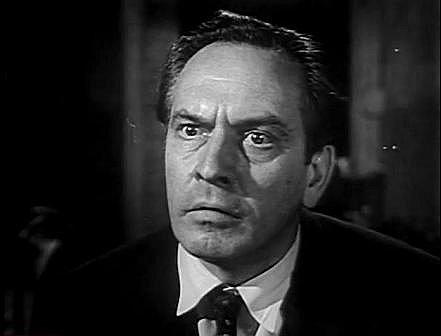
DEATH OF A SALESMAN originally ran on Broadway in 1949, clocking 742 performances and among other laurels took home a Pulitzer Prize for playwright Arthur Miller. Regarded as one of the Great American Plays, copies sold have exceeded 11,000,000, it’s seen many celebrated stage revivals, and there have been numerous made-for-TV adaptations, plus feature films from the Soviet Union, Sweden and Germany. As of 2024, the only home-grown movie version arrived in 1951, starring Frederic March as the titular peddler ‘Willy Loman’. *
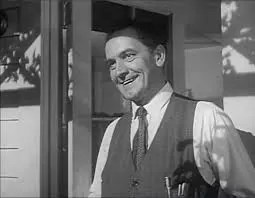
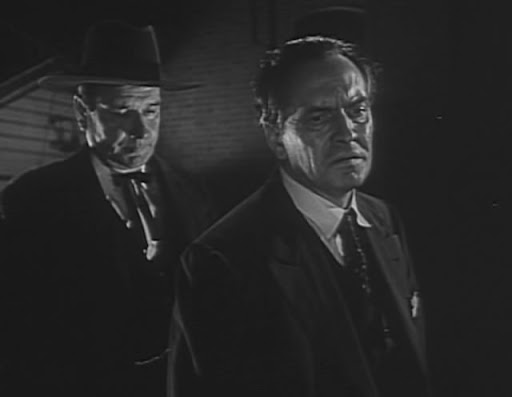
At 63, after almost four decades as a traveling salesman, plying his trade in New England, Willy Loman’s not just burnt out from losing his moxie, and in denial about losing the respect of his ne’re do well sons, he’s well on track to losing his mind. Self-deluded has become life-defeated. Wife and loyal partisan ‘Linda’ (Mildred Dunnock, 40) offers what solace she can muster, but grown sons ‘Biff’ (Kevin McCarthy, 36, debut) and ‘Happy’ (Cameron Mitchell, 33) are either going in circles or wasting themselves. Biff, in particular is torn up, by his own sense of failure, by some shameful episodes and by the knowledge of something Willy refuses to face. The inexorable forces of guilt, shame, fear and denial have been burning for years but they finally erupt in a 24-hour reckoning.
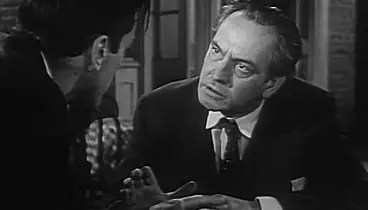
Dunnock, Mitchell and Howard Smith reprised their stage roles. Lee J. Cobb had gained fame for his stage turn as Loman, but March, 53, was a bigger star and even though he’d not logged a hit since The Best Years Of Our Lives in 1946—Another Part Of The Forest, An Act Of Murder and Christopher Columbus fared poorly—he commanded great respect and had more ability to draw patrons. Predominately a theater actress, Dunnock had only appeared in a few features. Mitchell had been on screen for six years and had logged credits in A-list pictures like They Were Expendable, Cass Timberlane and Command Decision. McCarthy had made a few TV episodes but was new to the big screen.
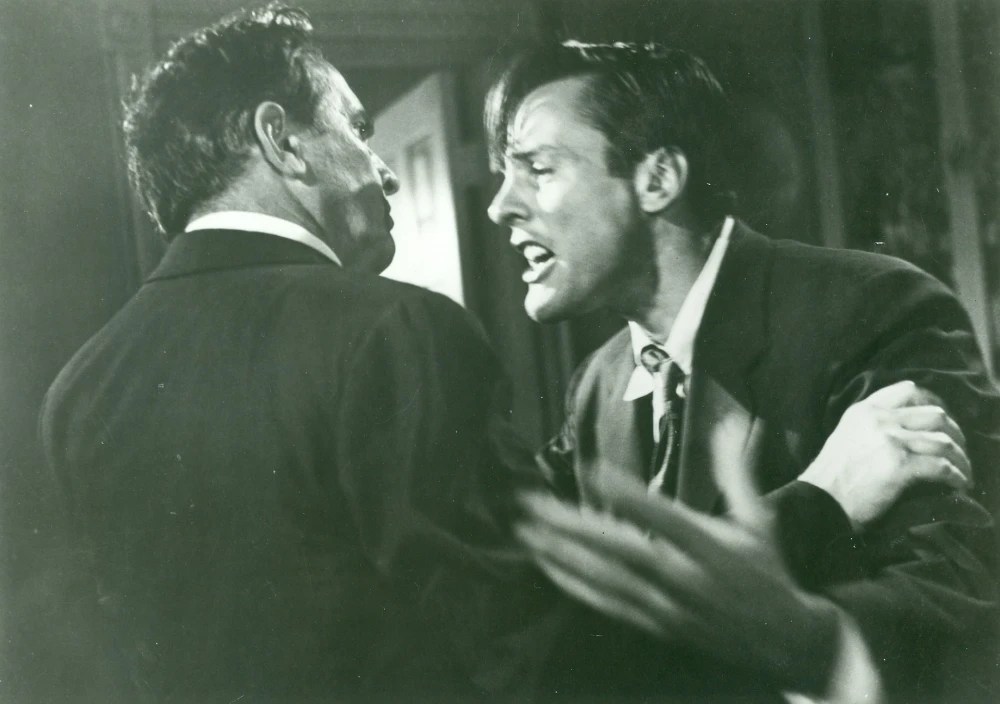
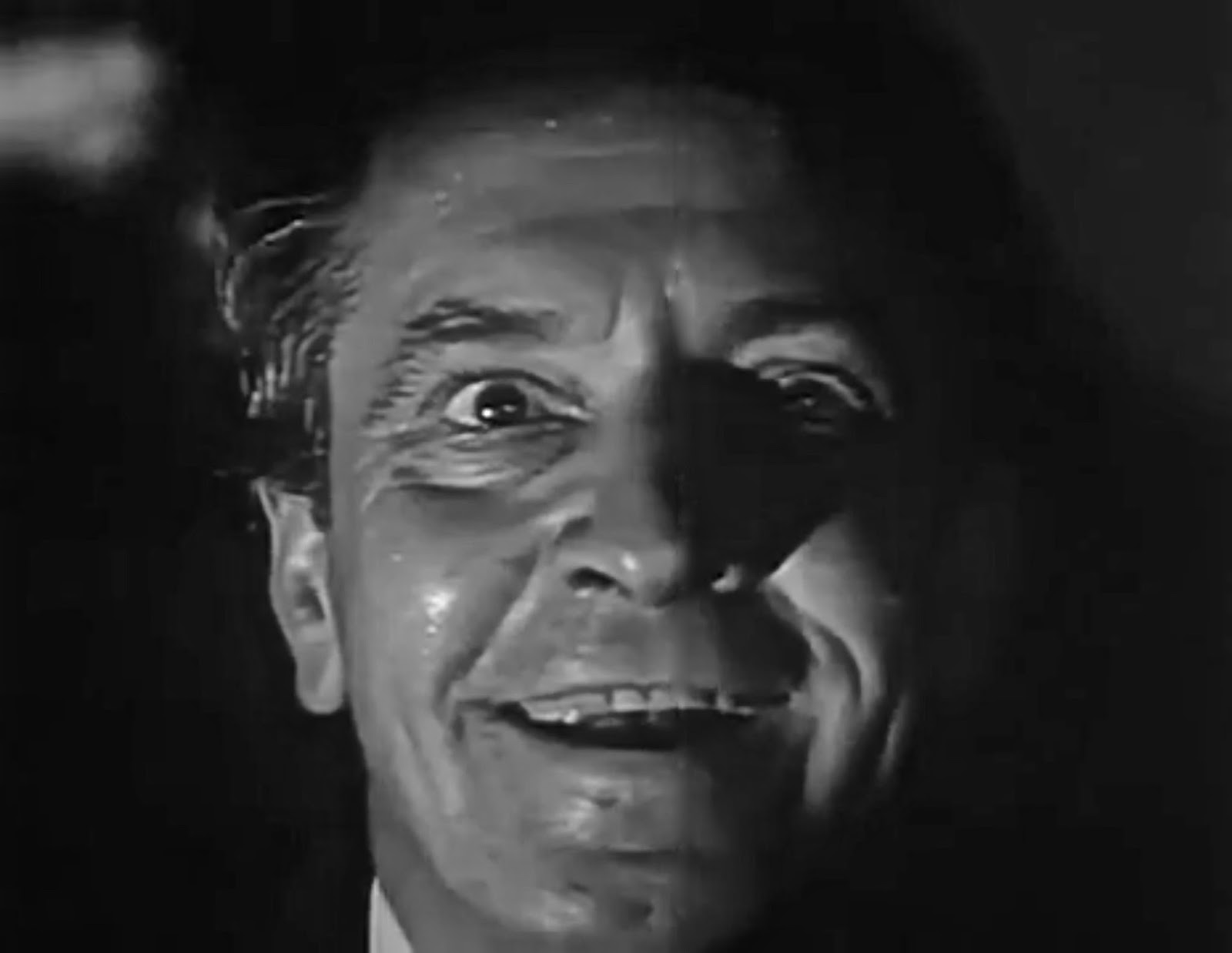
There are a number of powerful individual moments, March and McCarthy claiming the lion’s share, and anyone who’s faced despair will find slices that cut deep. Yet the overall effect comes off strained. Culprits: director László Benedek (a rather odd gamble from Kramer) and text-adapting screenwriter Stanley Roberts made changes and cuts that Miller felt resulted in throwing Loman’s mental breakdown into territory too close to lunacy, and though March does all he can, the compression and distortion of Loman’s unraveling feels forced, as does too much of the banter between the sons. For one thing, the play runs, with an intermission, 190 minutes while the movie chops that down to 115, leaving too little time to breathe between one anguished exchange and the next. Plus it didn’t help that thunder was stolen that year by the screen arrival of another dynamic play, A Streetcar Named Desire and in Marlon Brando a daring new star arresting attention away from seasoned old pros. Still, March has many powerful moments, particularly the more muted ones and fresh newcomer McCarthy arrives in style.

With Howard Smith, Royal Bean (Willy’s ghost brother ‘Ben’), Don Keefer, Jesse White, Claire Carlton and Beverly Aadland (8 years old, she’d become famous/infamous at the end of the decade as Errol Flynn’s final fling).
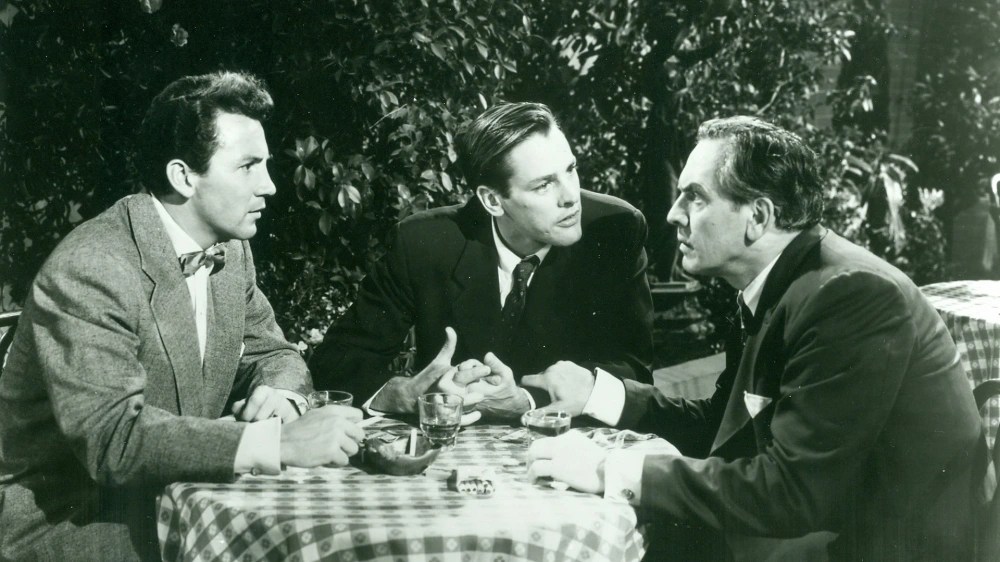
* Miller: “It’s about the United States, it’s about a man, it’s about an economic situation, it’s about a family…it’s about a life.”
Fearing backlash theater picketing from the American Legion, Columbia studio whipped up a 10-minute short, Career Of A Salesman, to be shown along with the feature as a sort of positivity corrective. Miller, already up in arms over director Benedek’s handling of the material, was further incensed.
Feet in the door and to the fire—The Music Man, Glengarry Glen Ross, Moneyball, Boiler Room, The Wolf Of Wall Street, Used Cars, The Founder, Tin Men, The Pursuit Of Happyness, Cedar Rapids, Jerry Maguire, Joy, The Big Kahuna, The Fuller Brush Man, Wall Street, Matchstick Men, Lord Of War...
 Movies ala Mark