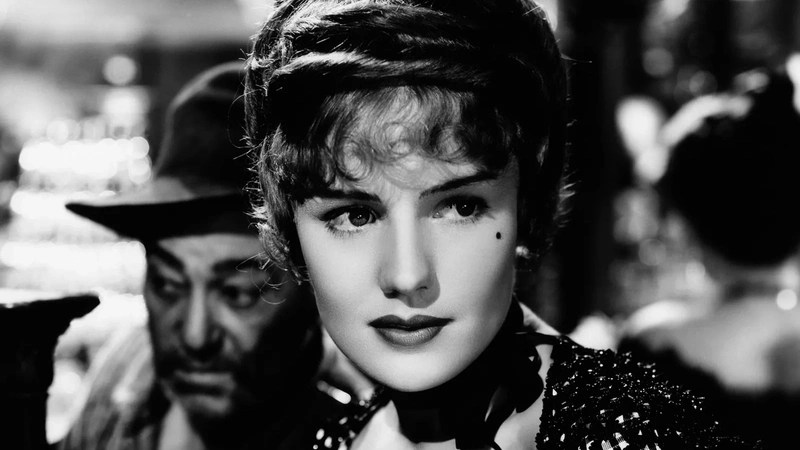
COME AND GET IT, adapted from Edna Ferber’s bestseller, was intended by producer Samuel Goldwyn to be one of the big hits of 1936 yet in the end it only managed to place 65th at the box office. A quality piece, earning the first Oscar awarded in the Supporting Actor category (Walter Brennan’s first of three) and a nomination for Film Editing, the lusty melodrama of a lumber baron in 19th-century Wisconsin didn’t rake sufficient hay (er, logs), a $2,900,000 gross not enough to tame cost overruns. In a year rife with stories centered in various aspects of Americana this colorful slice was outshone by most of the others. *

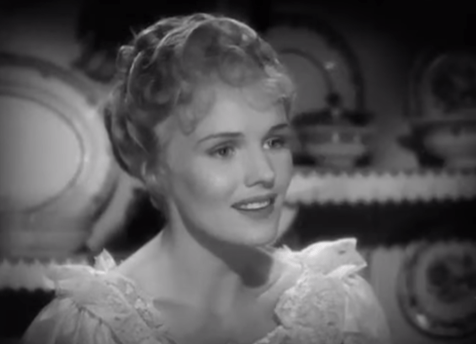
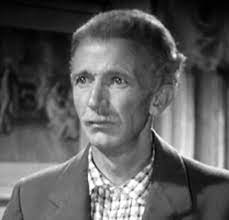
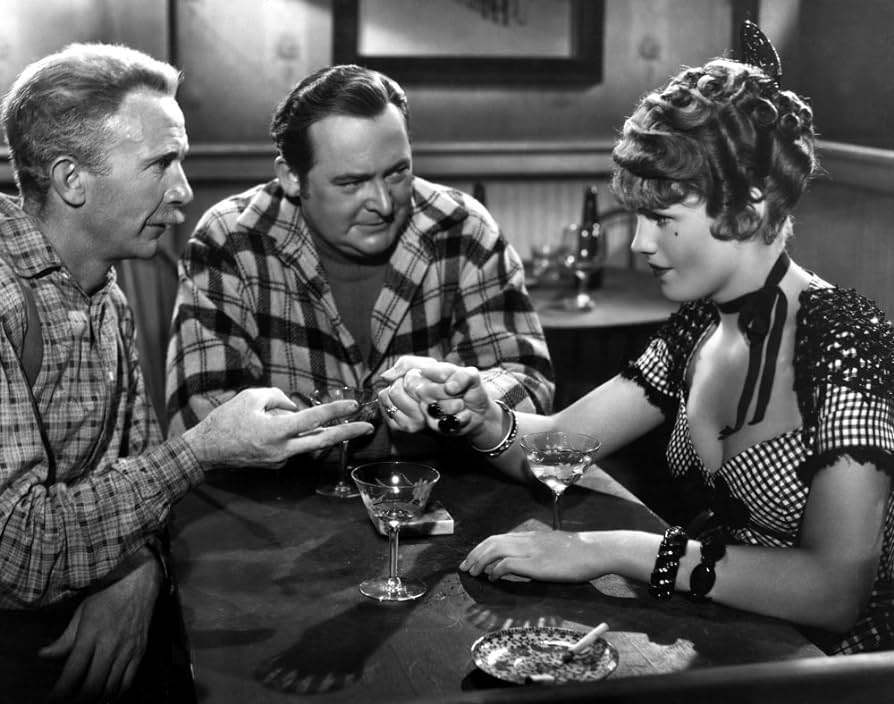
Wisconsin, the 1880s. ‘Barney Glasgow’ (Edward Arnold, 45), rip-roaring foreman of a lumberjack outfit, is determined to become the biggest cheese in the logging industry. He bulls his way up, marrying someone he doesn’t love, his boss’s daughter, while leaving behind someone he does, hope-crushed saloon singer ‘Lotta Morgan’ (Frances Farmer, 22) who then becomes the wife of Barney’s best pal, ‘Swan Bostrom’ (Brennan, 31). Years later in 1907, Barney, top of the heap, meets Swan (now a widower) again and rapidly becomes besotted with his daughter, also named Lotta (again played by Farmer). Barney’s adult son Richard (Joel McCrea,30) fancies the young charmer as well.
On the strength of the rowdy Barbary Coast, Goldwyn put Howard Hawks to direct a script by Jane Murfin. Hawks promptly had Jules Furthman rewrite it, ‘cutting to the chase’ Ferber’s story by focusing mainly on Glasgow and while Goldwyn was laid up by illness, shot what & how he pleased, leaving out most of Ferber’s storyline, her 518 page novel a tome on “the rape of America” exemplified by the decimation of forests. Recovered and outraged, Goldwyn replaced Hawks with a reluctant William Wyler (who nailed two wins that year in These Three and the superb Dodsworth). Hawks was on board for six weeks, Wyler for two; both shared credit.
 The fine camerawork came from Gregg Toland and Rudolph Mate. Most of Hawks rough’n tumble and comic material (featuring a nifty saloon brawl) is evident in the first half, including some stunning work done in and around Idaho’s Northfork Clearwater River. The spectacular (and dangerous) scenes of old-time logging were handled by Richard Rosson. Wyler’s more subdued (but no less telling) style figures in the latter portion, with the dramatics centering on ill-placed romantic urges and the price tag of ego. Though the 99-minute running time is feels scant for such a generational saga, in large measure the styles and elements—naturalism and melodrama—mesh, and the actors are fine.
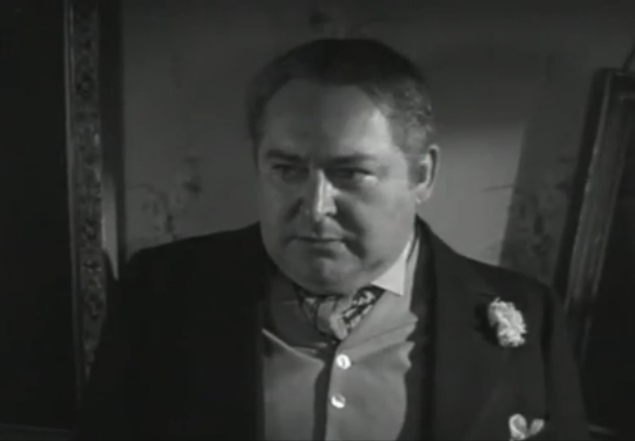 Arnold was likely cast on his success playing food-consumed railroad tycoon James Brady in Diamond Jim and he manages the ebullient but heedless, difficult-to-approve-of Barney with skill; his final scene of reality-recognition is memorable. Brennan’s good, not murdering a Swedish accent, even though he’s tasked with blurting “Yumpin Yiminy!” twice too often. Though he’d been in the business for 11 years and had appeared in almost 150 pictures, this part and his Oscar secured him onto a run of luck in features and TV that last four decades. Most impressive is tragedy-bound Farmer, who gets the best showcase of her truncated career in this picture, revealing that her private life loss was one for the movies as well. Her intelligent and un-mannered performance imbues the mother/daughter Lotta’s with wariness and hope, sass and hurt: watching also has the effect of further appreciating Jessica Lange’s marvelous interpretation of the ill-fated actress in 1982’s Frances.
Alfred Newman’s score does overwork the song ‘Aura Lee’ a tad much. The relative neglect of the movie is unfortunate and unwarranted. With Mady Christians, Mary Nash, Andrea Leeds, Edwin Maxwell, Charles Halton, Jack Pennick.
* Prism—1936 movies looking at facets of America, in order of box office success: San Francisco, The Great Ziegfield, The Trail Of The Lonesome Pine, Dodsworth, Showboat, The Plainsman, The Last Of The Mohicans, Come And Get It, The Prisoner Of Shark Island, Fury.
Switch hittin’—on Barbary Coast, Goldwyn had replaced Wyler with Hawks. Coming along from that picture were McCrea and Brennan. Arnold and Farmer were reteamed in ’37 for The Toast Of New York, with Arnold again playing a capital-crazy tyro, con man Jim Fisk, and was billed above Cary Grant.
Men & ‘Their’ Women—this movie (and Farmer) were/are also given scant credit for launching the archetypal female character Hawks would go on to present in picture after picture via Katherine Hepburn (Bringing Up Baby), Rosalind Russell (His Girl Friday), Lauren Bacall (To Have And Have Not, The Big Sleep), Angie Dickinson (Rio Bravo), Elsa Martinelli (Hatari!), Paula Prentiss (Man’s Favorite Sport)…
Wyler: “The nicest thing I can say about Frances Farmer is that she is unbearable.” Hawks: she “had more talent than anyone I ever worked with.”

 Movies ala Mark