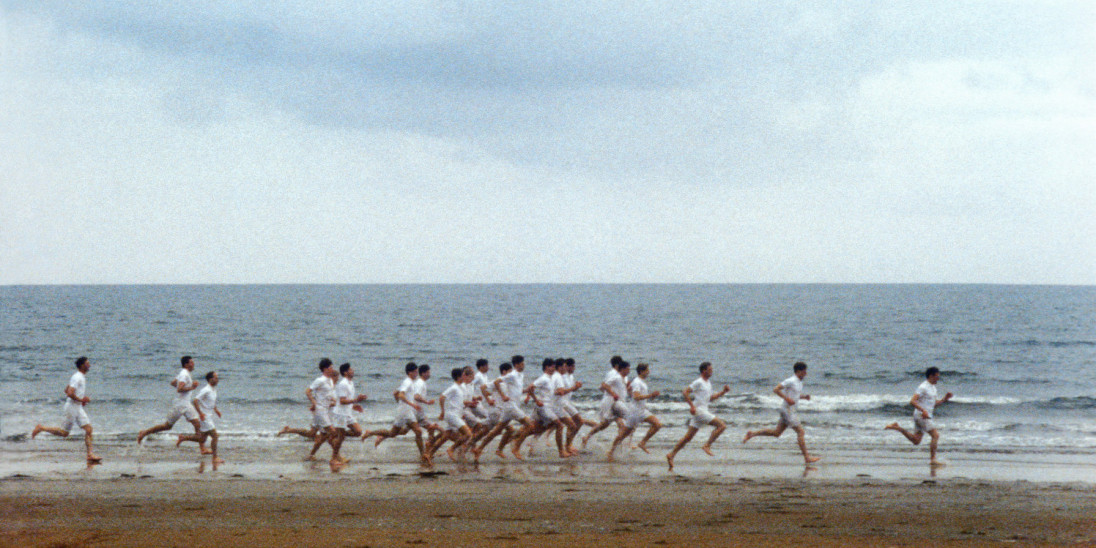
CHARIOTS OF FIRE was a big deal in 1981, a surprise period sports drama from Britain that took the States in a rush of enthusiasm capped by a coup at the Academy Awards (“The British are coming!” crowed its joyous screenwriter) winning four of seven nominations, including Best Picture. Though the story of spirit and sportsmanship was handsomely mounted and well acted, the ‘run’ of luck was sparked to a large degree by the catchy freshness of its unorthodox music score. Done by Greek electronica artist Vangelis, its shimmering opening theme became a hit single. The soundtrack album was also a bestseller. *
“You, Aubrey, are my most complete man. You’re brave, compassionate, kind: a content man. That is your secret – contentment; I am 24 and I’ve never known it. I’m forever in pursuit, and I don’t even know what I am chasing.”
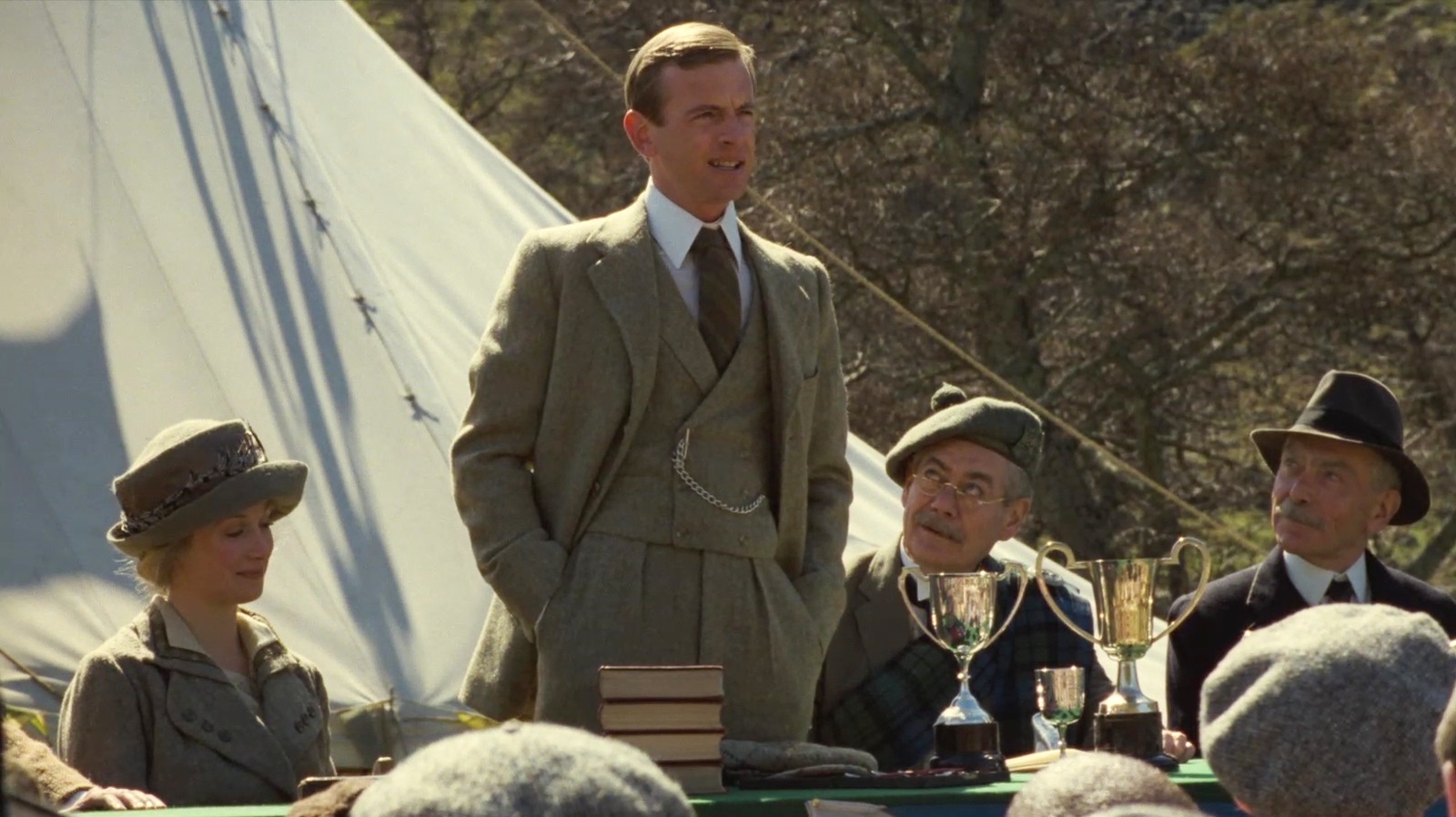
England and Scotland, the early 1920s. The forthcoming Olympic Games summon personal achievement and national pride. Gold Medal hopefuls include students from Cambridge (with diverse social agendas) and a Scottish missionary, China-bound but born to race as well as teach. Foremost among the sprinting scholars are Harold Abrahams (Ben Cross), arrogant, defensive, prickly over rife anti-Semitism (he’s Jewish), and ‘Andrew Lindsay’ (Nigel Havers), carefree aristocrat of the “jolly good, old boy” set. Their keenest competitor is Eric Liddell (Ian Charleston), serious man-of-the-cloth Scot whose foot-races tread carefully around his religious convictions. Pressure comes from outside, above and within.
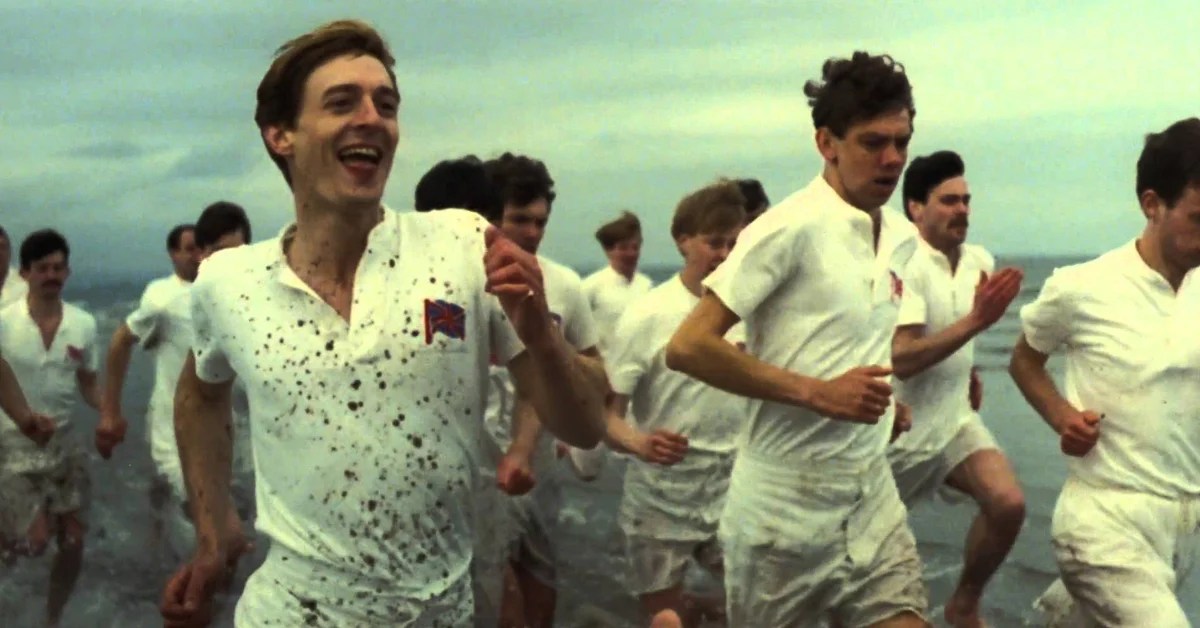
Shooting on 30 locations in England and Scotland, the $5,500,000 production, directed by Hugh Hudson (feature debut) excels in studiously recreating the look and feel of a slice of place & time hushed (from the cost of The Great War) yet tentatively hopeful (Never say Die, chaps), the array of landmarks & landscapes, crowds & costuming fastidiously presented by cinematographer David Watkin (The Three Musketeers, Out Of Africa).

HAROLD: “If I can’t win, I won’t run!” SYBIL: “If you don’t run, you can’t win.”
The screenplay by Colin Welland (vicar to a less-refined lot of blokes in Straw Dogs) is Masterpiece Theater dry, intelligent and careful without stirring the passion it suggests: a ‘polite applause’ situation. The acting’s fine, yet with characters so restrained, reserved and proper (except for Cross’s prickly Abrahams, more annoying than sympathetic) it’s a push to get energized over their prize plights. Using real-life figures and their journey to the ’24 Games, and elemental sport as a body & soul template for examining (and extolling) the risks and rewards of following one’s conscience, the storyline is fact-based, though like most movies that use that imprimatur it plays figurative rugby with the record. A critic for The Guardian faced it down as “Jolly inspiring stuff, but Chariots of Fire won’t be allowed anywhere near the history medals podium.” True, but count our favorite tales that are.

After the initial freshness of the soundtrack, constant repetition (every radio, elevator and waiting room basting you from Chicago to Cape Town) scintillating turned syrupy, bloom to derision. Before that sticky wicket set in came a stampede to theaters that made Chariots the year’s 7th most-seen picture, a $59,000,000 US gross dwarfing its modest UK take. Then the Academy curtsied; besides wins (see expected cranky outburst below) for Best Picture, Screenplay, Music Score and Costume Design, nominations went to Director, Supporting Actor (Ian Holm) and Film Editing. We acknowledge a quite well-done piece of work, but also must cop to getting sufficient ‘dare to excel’ prods from the first look that it was 42 years before duty called for re-running its slo-motion emotions. **
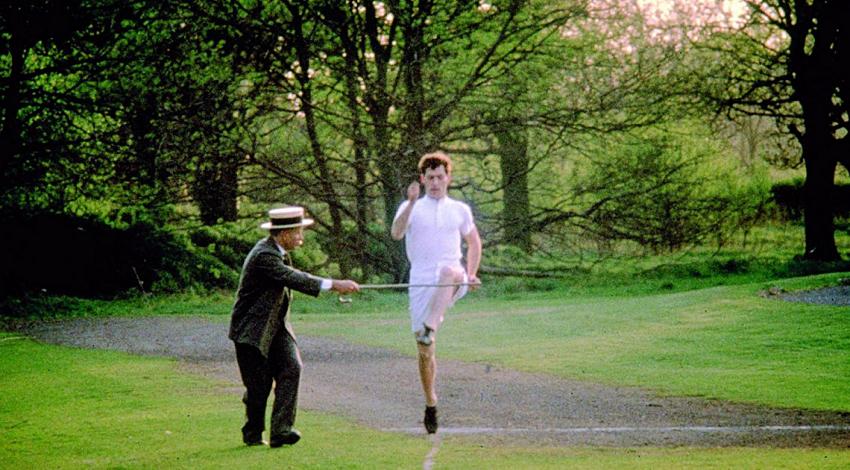
Expressing varying degrees of erudite cultivation, mixing stout-hearted fellowship with class-conscious putdowns over 123 measured minutes: Ian Holm, Nicholas Farrell, John Gielgud (boosting Arthur that year), Lindsay Anderson (critic/director in rare acting turn), Alice Krige (notable in ’81 for Ghost Story), Cheryl Campbell, Nigel Davenport, Patrick Magee (snorting derision), Brad Davis (still running after Midnight Express), Dennis Christopher, David Yelland (Prince of Wales), Richard Griffiths (20 years before Harry Potter’s ‘Vernon Dunsley’) and debuting, uncredited, 20-year-old Kenneth Branagh.
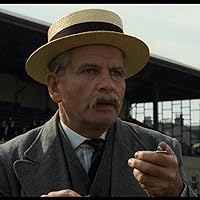
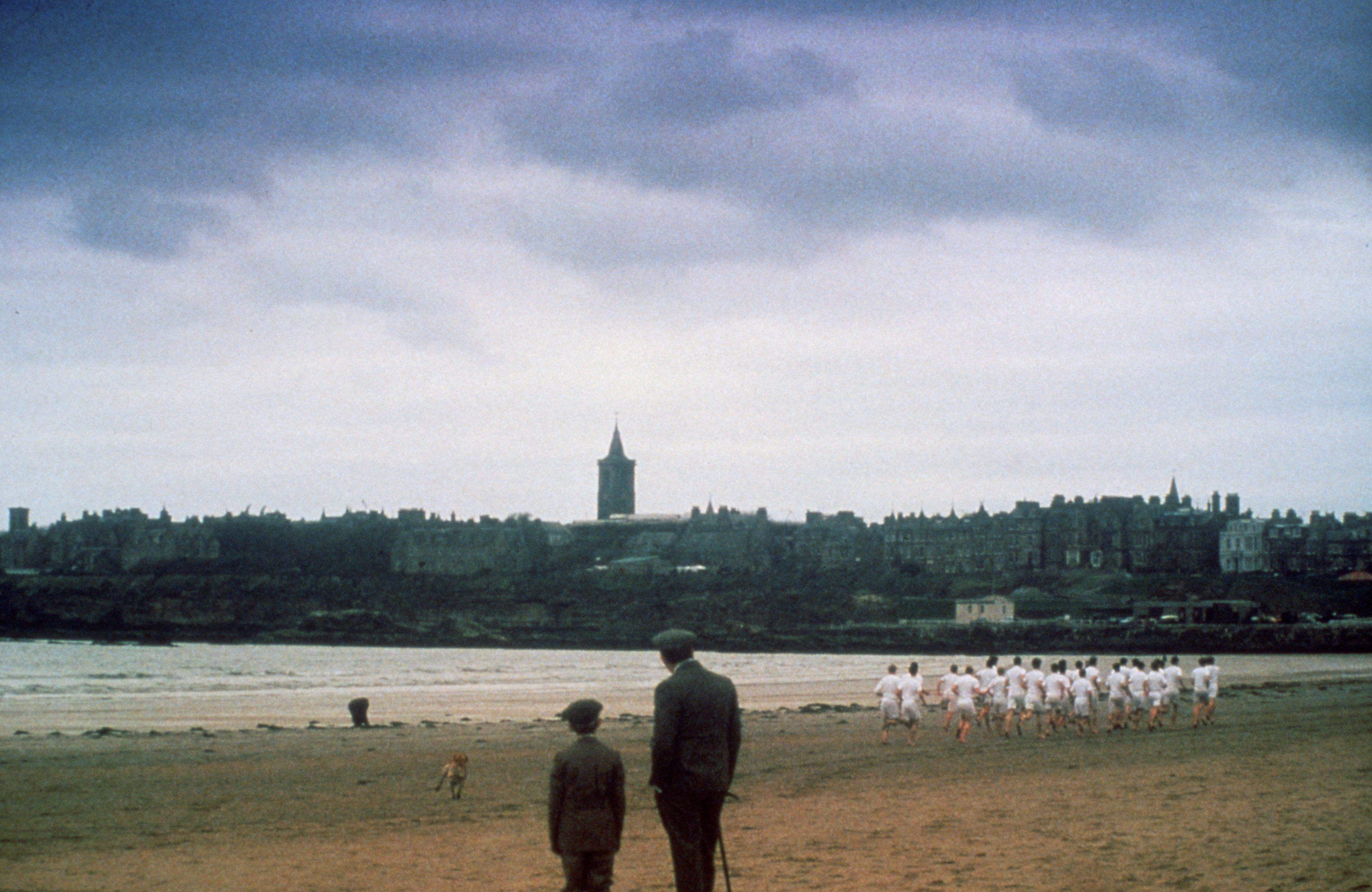
* Evangelos Odysseas Papathanassiou, 1943-2022—Vangelis to posterity—couldn’t help it if his ‘runaway’ theme, bringing him international fame, became so omnipresent it turned into as much of an irritant and a joke as a pop classic. Thankfully it wasn’t a one-shot: his ensuing works blessed, among others, Blade Runner and 1492: Conquest Of Paradise and his wondrous “L’Enfant” was included to vital effect in Maurice Jarre’s score for The Year Of Living Dangerously. That composition—accompanying Sigourney Weaver’s rain-shower walk of realization thru a teeming Jakarta—more than makes up for the patience demanded to sit on your hands while a platoon of pampered toffs risk a slo-motion jog down a chilly Scottish beach. While Vangelis score was noted for breaking turf by adding an anachronistic modern sound to a period piece, composer Brian May paced him by deploying cuts from Jean-Michel Jarre’s pioneering “Oxygene” for the running scenes in Gallipoli. We Who Survived The 80s recall being deeply moved by that movie and be-zonked by Jarre. The days of tripping willfully.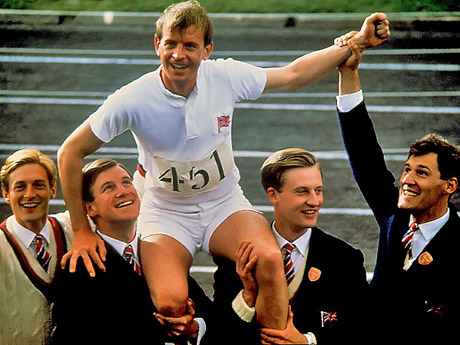
** Oscars! Don’t shoot until you see the whites of their tunics! Ya gotta be kiddin’—stumbling for this polished coffee table over Raiders Of The Lost Ark, Reds, Das Boot, Prince Of The City and Gallipoli? “Tasteful” is one thing, but, really now. What the heck was the Revolution for? Pile on while we’re at it—The Four Seasons, Body Heat, The Road Warrior, Cutters Way.
Still—reflecting in 2016, director Hudson: “Both our countries, the U.K. and America, have lost faith in our captains of industry, our politicians, because people lie and they cheat. These runners, Abrahams and Liddell, stood up for their beliefs in a world where people didn’t do that. That still resonates.” Fair enough.
An unofficial sequel of sorts, 2016’s On Wings Of Eagles, with Joseph Fiennes as Eric Liddell, covers the the runner-turned-minister in WW2 China, where he perished in a Japanese P.O.W. camp.
 Movies ala Mark