
TEA AND SYMPATHY has been personified by a single line in its last act, spoken with consummate sensitivity by one of classic cinema’s grandest and yet most intimate doyenne’s of the vanishing art of graciousness, Deborah Kerr: “Years from now when you talk about this – and you will – be kind.” *
A decade after his prep school days of the mid 1940’s,’Tom Robinson’ (John Kerr) reflects on a time where his spirit was tried to the breaking point by the casual cruelty of hazing classmates and abandonment from adults. Tom’s “different“. A crucial exception was ‘Laura Reynolds’ (Deborah Kerr), wife of one of the school’s coaches (Leif Erickson) and house hostess to Tom and his roommate (Darryl Hickman), the only student who sees Tom’s decency and doesn’t care that his interests (such as they are) don’t follow the typical guy lines. We’re not tapping Morse “code” here.
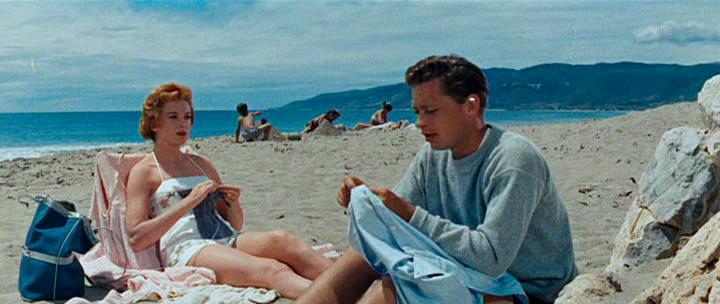
Kerr’s tender plea to the other Kerr (FYI they were not related and her name was pronounced ‘car’) is more famous, but an earlier exchange, less polished in its simplicity, holds its own sad, nearly universal resonance—TOM: “I’m always falling in love with the wrong people.” LAURA: “Who isn’t?”
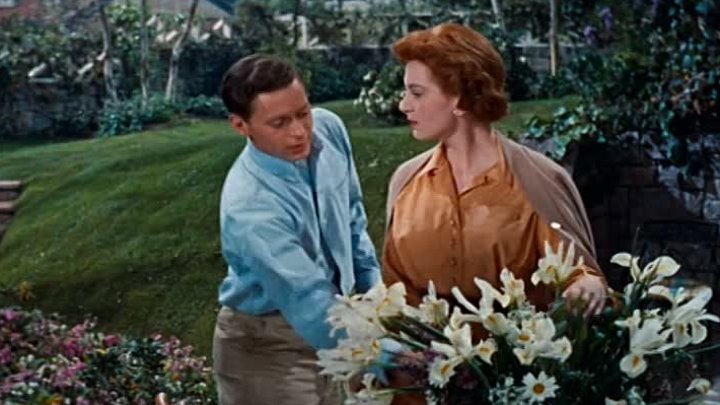
Both the Kerr’s and Erickson had starred for director Elia Kazan in Robert Anderson’s hit play that clocked 767 performances. Kazan was busy with the film version of East Of Eden, so direction for this fell to Vincente Minnelli, with Anderson writing the screenplay. Since Tom’s range of interests include flowers, classical music, theater, tennis (once considered semi-effete) and yikes!—he knows how to sew—-he’s badgered and belittled as “sister boy“.
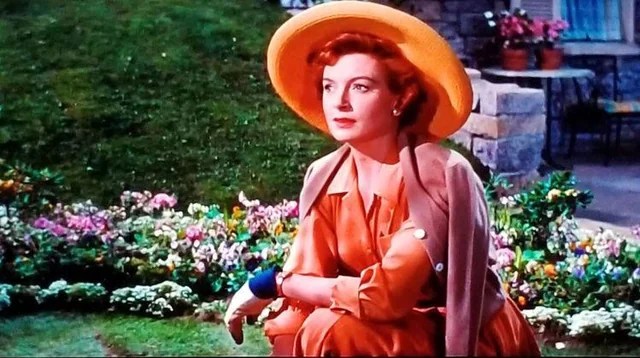
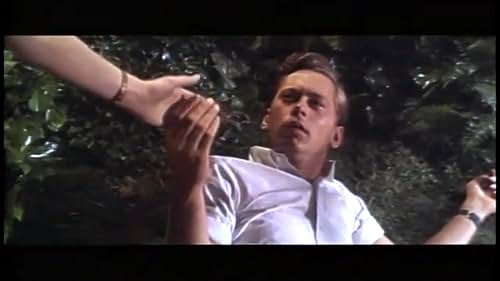
Anderson (who would script The Nun’s Story, The Sand Pebbles and I Never Sang For My Father) said the story wasn’t about homosexuality, but about love, and the persecution that threatened conformists visit upon those who are ‘different’. To satisfy censors, the script was both expanded and tamped down from the stage so as to be less direct and controversial: can’t have people admit what they know or the Godless Russkies will take over! Minnelli and cinematographer John Alton circumvent prurient content restrictions by emphasizing mood and meaning through color and lighting; Alton’s camerawork (especially in the ‘glade’ scene) is a major asset. By today’s standards much comes off quaint, even silly (some pretty broad acting strokes), but even when curtailed it was a ground-breaker for the time, and with prejudice, fear and willful ignorance appearing to be eternal unwelcome companions to acceptance, courage and common sense, its relevance about the hidden price tag of toxic masculinity holds up.
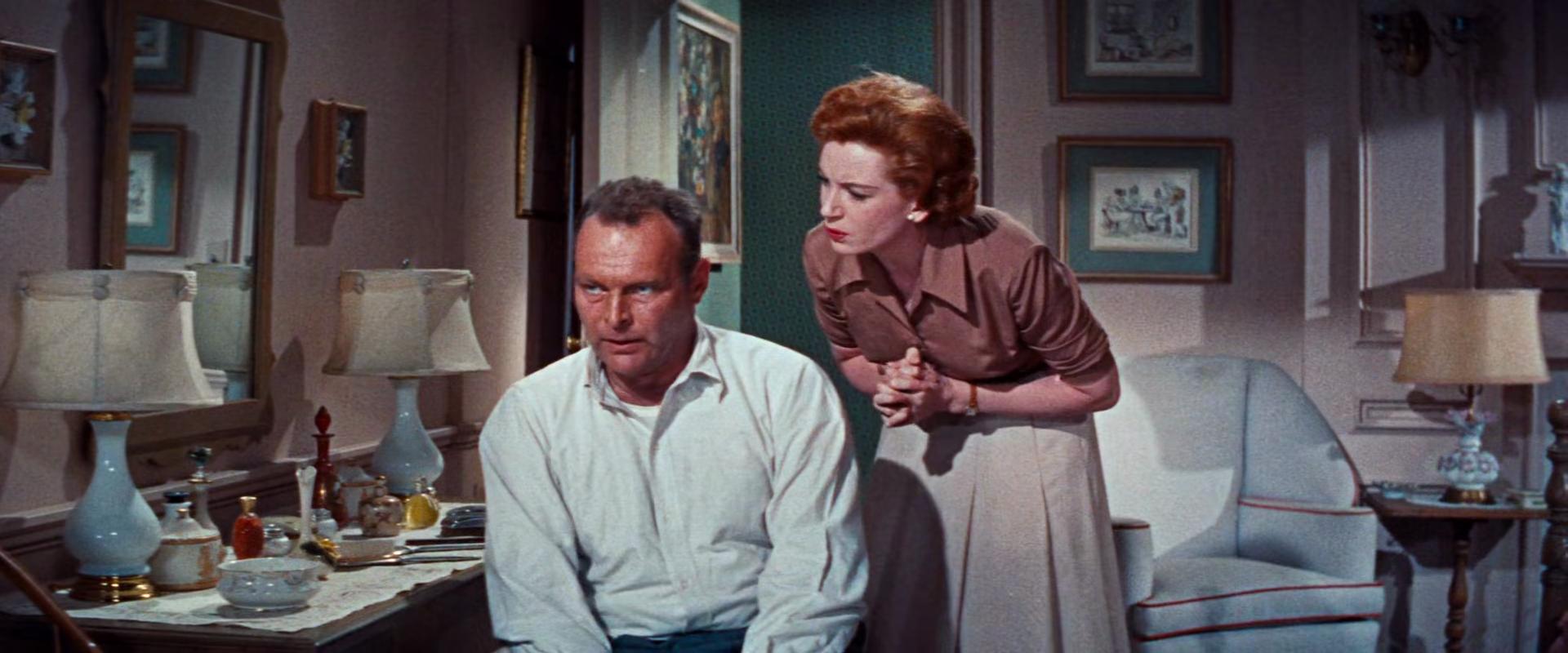
It arrived in a big year for Deborah Kerr, 34, up for an Oscar in The King And I and also headlining The Proud And Profane. The first is beloved, the second forgotten, with Tea And Sympathy occupying mid-ground. Kerr-glow at gaybreak. Without her, the movie would likely be a footnote on the order of The Children’s Hour. John Kerr, 24 playing 17, is okay, varying between too earnestly affected as a gawky loner and then convincingly hushed as a wounded soul. His debut in The Cobweb, also directed by Minnelli, is an entertaining embarrassment, his follow-up, South Pacific, was a win.
Leif Erickson does well in the unsympathetic, ultimately just pathetic role as the boorish, closeted husband.
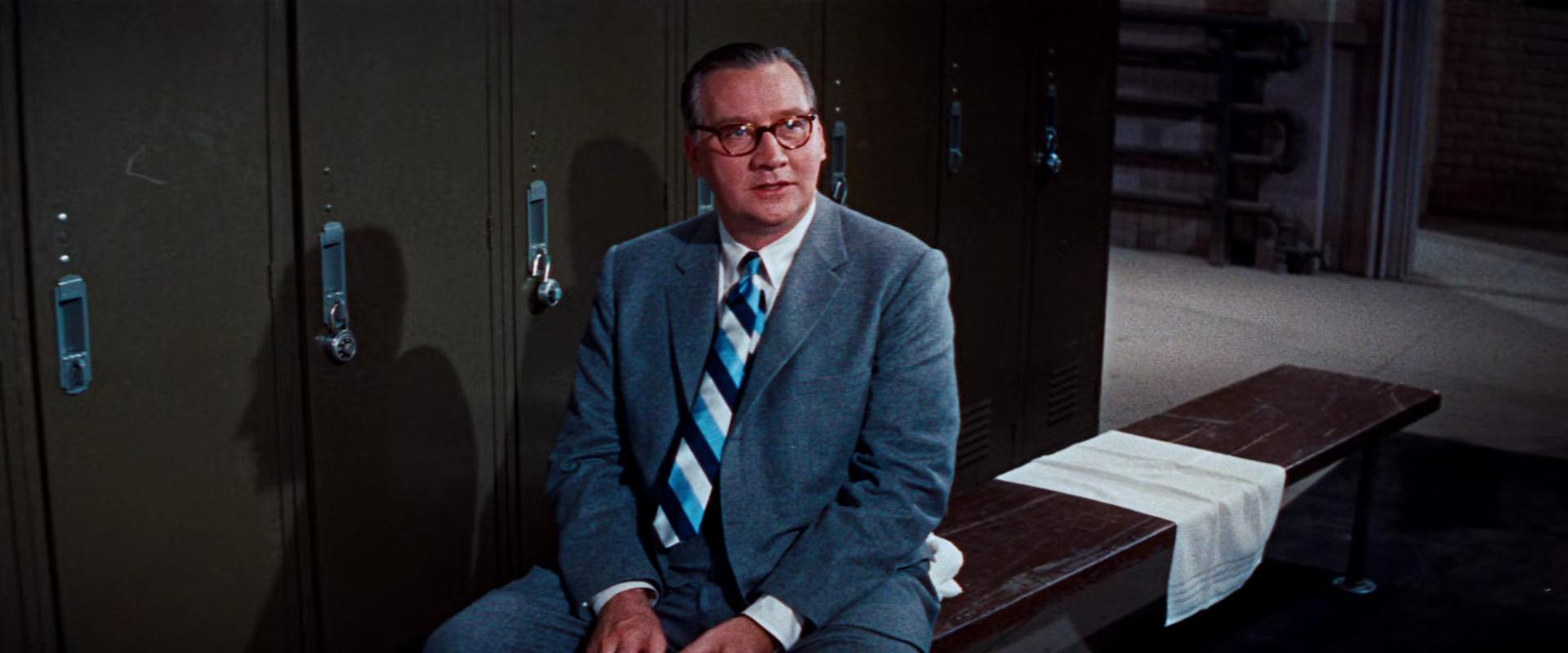
Edward Andrews, 1914-1985
Brought to the screen for $1,737,000, coming in 42nd for 1956 with a gross of $6,100,000. With Edward Andrews (Tom’s ethical wimp of a dad; gee, thanks), Norma Crane (the town tart—she’s a waitress, she smokes and she’s blonde: add it up—Crane would later be the much nicer ‘Golde’ in Fiddler On The Roof), Tom Laughlin (15 years before Billy Jack and already obnoxious), Dean Jones (24, one of six bit parts in his debut year), Jacqueline deWit, Kip King and Peter Leeds. 122 minutes.
* Class act(ress)—my late brother-in-law Larry Pennell was breaking into show biz at the time and was up for a part in The Proud And Profane, Kerr’s WW2 drama with William Holden. The director, George Seaton, was a real jerk to the nervous newcomer (Dewey Martin got the part) but after Seaton was done humiliating Larry, Kerr took Larry aside and reassured him with the same forthright composure and grace that comes through in her films. She didn’t have to do that: she was a movie star and Larry was just another hopeful hunk. But she really was a star, you see. Nice to know. Bonus Round: 17 years later he got to work with Holden on The Revengers. A crap western, but he said Holden was wonderful. And that, rapt reader, is how your movie-besotted scribe got to briefly meet another great guy, Ernie Borgnine.
 Movies ala Mark