
ROOM—–intimate 2015 indie drama, scripted by Emma Donoghue from her lauded 2010 book, struck a chord with reviewers and achieved success at awards time, winning a Best Actress Oscar for Brie Larson, and nominations for Picture, Direction and Screenplay. Too downbeat to make great impact with the public, it did garner $36,400,000 worldwide, sufficient to recoup a $13,000,000 investment. It’s such a small-scale picture that even that industry-slim expenditure seems excessive, as was the shower of praise, yet another instance of critics breaking their fingers typing in the words “important”, “astonishing” and “profound”. “See it and be transformed” was but one breathless gush. From what?
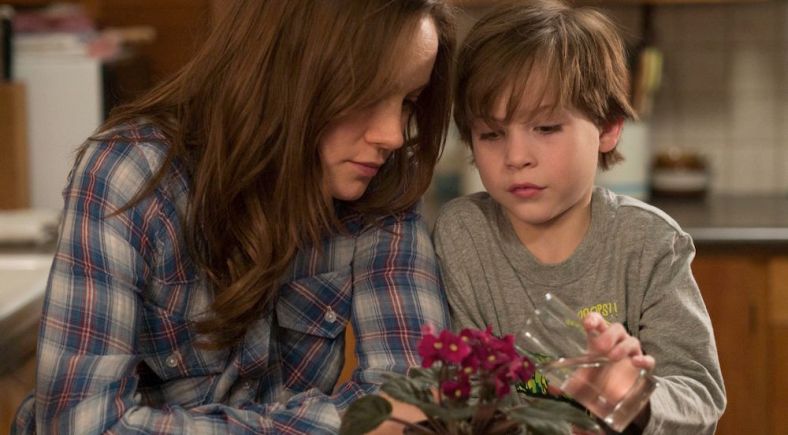
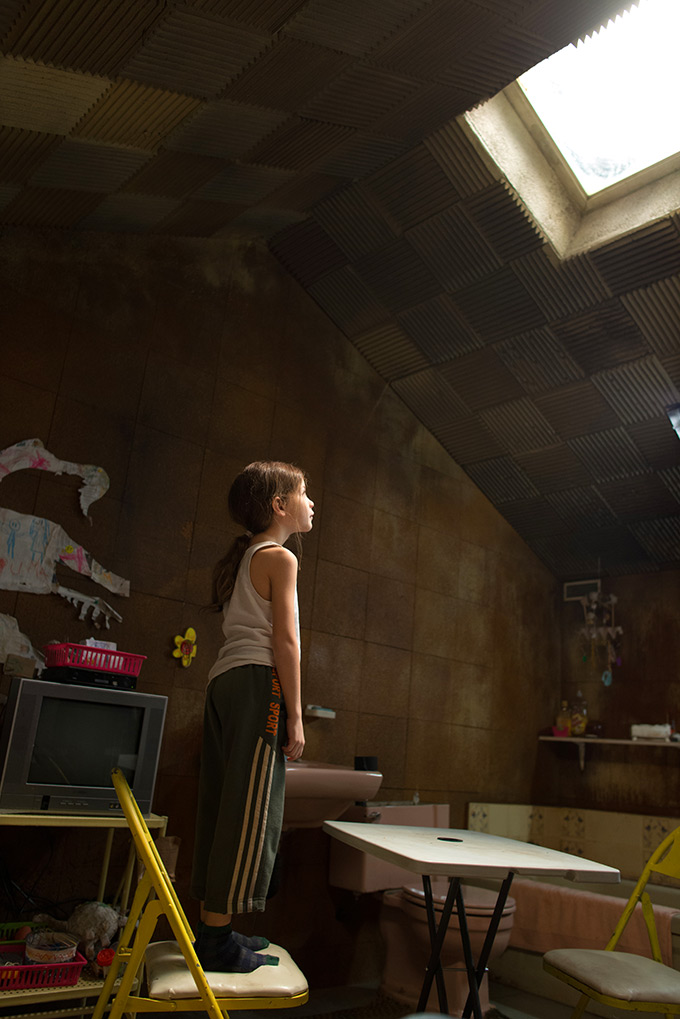
The nightmare of stranger abduction and sexual captivity is usually portrayed for exploitation purposes in crummy, voyeuristic horror flicks or on earnestly slick TV groomed demographic lures, as predictable in presentation as by their frequency. Directed by Lenny Abrahamson, Donoghue’s story is done with the relief of both taste and empathy and the twist of mostly coming from the viewpoint of a 5-year old child. Jacob Tremblay, 8, plays the boy, raised by his mother (Larson) in complete isolation, their captor—her rapist, the child’s biological father— (Sean Bridgers) keeping them locked in a shed, with only a skylight and a TV for glimpses of the outside world.
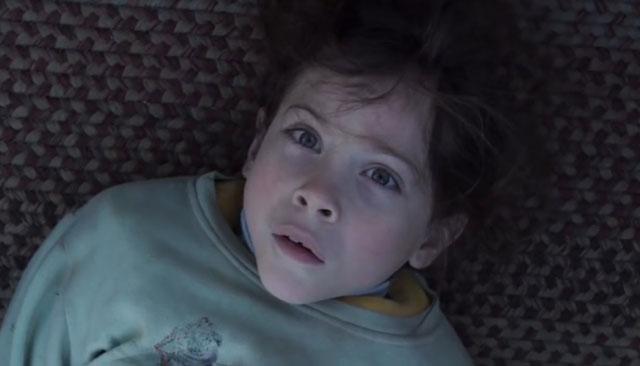
When escape finally presents itself, mother and son (who has no sense of life beyond ‘Ma’ and the visiting abuser who supplies them with food, or from what he’s interpreted off TV as a make-believe place) have to cope with the reality of freedom away from ‘Room’. It’s agonizing readjustment for her (kidnapped at 17, now 24)) and dazed wonderment for the boy, catapulted into a stunning new dimension. For him the cartoonish TV world is now living 3-D. For her the trauma of her captivity ordeal is rerun through the lenses of others.
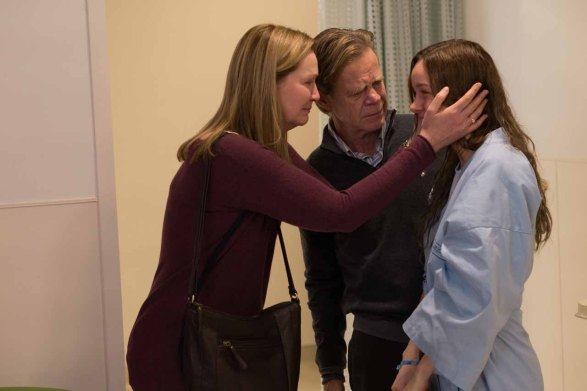
Ironically, the first, confined half, never leaving the squashed Room, holds together better than the expansive second with its addition of sketchily developed secondary characters. The fault lies with the script and editing, not the actors, as Joan Allen, Tom McCamus and William H. Macy do well by what little they’re given.
Tremblay is remarkably good, though his frequent sonic wails tax viewer as much as mother. Larson is first-rate, but we confess to feeling, with a twinge of guilt, a bit of what an unconvinced Kyle Smith of the New York Post dissented as monotony, “an actress gunning for this year’s No-Makeup Oscar”. An ouch! to gallantry, perhaps, yet I would have handed the statue, in a heartbeat, to nominee Saoirse Ronan for Brooklyn.
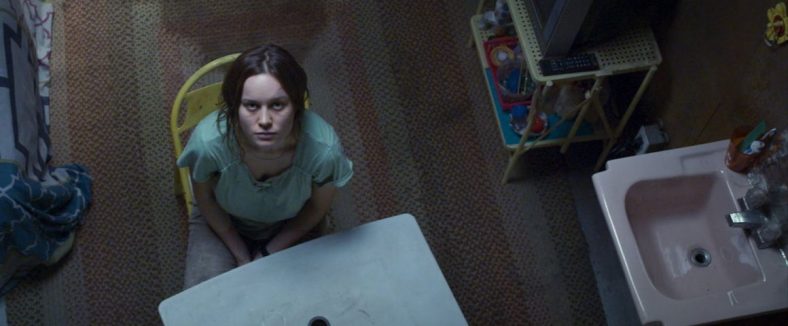
When critics want to massage the word “slow” they coax patience with diplomatic “methodical” or “measured”, and Abrahamson’s pace is, well, (drawn-out pause for two extra beats to let ‘meaning’ sink in)…let’s see…”deliberate”, “unhurried”. The 118 minutes would have benefited from trimming.
So applause is given, but muted. It’s a decent film that just didn’t move me like it intended to, and nowhere near as much as it obviously did others. At least, in leaving the door half-open on Room we’re not straying into Moonlight territory, where venturing that something is merely “Very Good” instead of “Quite Possibly More Life Changing than Any Conception since the Birth of Jesus!” can pretty much get you crucified.
 Movies ala Mark